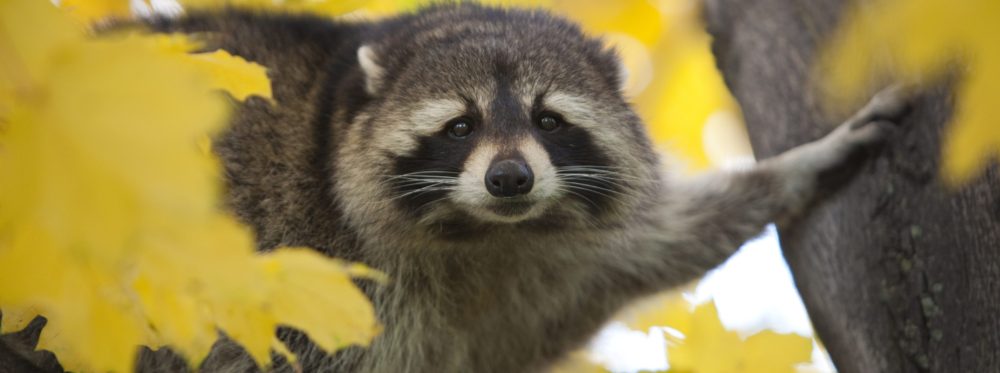
It starts with a thump in the night. Then, perhaps, a scratching sound right above your bedroom ceiling. Few things are as unsettling as realizing you are sharing your home with a wild animal. If you’ve heard heavy footsteps or chittering noises coming from your attic, you likely have a raccoon problem.
Beyond the noise and the sleepless nights, raccoons pose a serious risk to your property and health. They can trample insulation, chew through wires, and leave behind hazardous waste. While your instinct might be to find the strongest chemical available to drive them out, the reality of wildlife control is often more complex. Understanding what drives these intelligent creatures into your home is the first step toward reclaiming your peace of mind.
TL;DR: If you need immediate answers, here is the short version: Repellents alone rarely solve a raccoon infestation long-term. While strong odors and loud noises can temporarily annoy a raccoon, physical exclusion—physically blocking them out—is the only permanent solution.
- Most Effective: Use a “harassment” combination of bright lights and a loud radio to encourage them to leave on their own, then seal entry points with heavy-duty wire mesh.
- Avoid: Mothballs. They are illegal to use as animal repellents, ineffective, and release toxic fumes into your home.
- The Golden Rule: Never seal an attic until you are 100% sure all raccoons (including babies) are out.
Key Takeaways
- Identify the attraction: Raccoons typically enter attics to find a warm, safe place to give birth and raise their young.
- Repellents have limits: Ammonia, vinegar, and lights can work as temporary deterrents but are not permanent fixes.
- Safety first: Raccoon feces can carry roundworm, which is dangerous to humans. Always wear protective gear or hire a professional for cleanup.
- Exclusion is key: The only way to stop raccoons for good is by sealing entry points with 16-gauge hardware cloth.
Table of Contents
- What Makes Raccoons Want to Live in My Attic?
- What Repellents Actually Work on Raccoons?
- DIY Raccoon Repellent Recipes to Try
- Are There Professional Raccoon Removal Services?
- How Can I Prevent Raccoons from Returning?
- Frequently Asked Questions
- Quick Recap
- Protect Your Home Today

What Makes Raccoons Want to Live in My Attic?
To get rid of a raccoon, you have to think like one. In the wild, raccoons seek out hollow trees or rock crevices to den. In the suburbs, your attic is the five-star equivalent of a hollow tree. It is dry, insulated, warm, and protected from predators.
This is especially true during baby season, which typically runs from March through June. A female raccoon looking for a safe nursery will tear through soffits, shingles, and vents to access your attic. Once she has established a nest and given birth, she will be incredibly resistant to leaving. She isn’t just looking for a place to sleep; she is protecting her family. This maternal instinct is why simple repellents often fail—a mother raccoon will tolerate bad smells and loud noises if it means keeping her kits safe.
What Repellents Actually Work on Raccoons?
The internet is full of “miracle” cures for wildlife, but raccoons are intelligent and adaptable. Here is the truth about common repellent methods.
The “Harassment” Technique (Light and Sound)
Since raccoons are nocturnal and prefer dark, quiet spaces, disrupting their environment is often the most humane and effective DIY method.
- Lighting: Place a bright work light or strobe light in the attic. Raccoons hate feeling exposed.
- Sound: A battery-operated radio tuned to a talk station or loud rock music can make the environment feel unsafe.
- Effectiveness: Moderate. This works best when the raccoon has just arrived. A mother with immobile babies may stubbornly refuse to leave.
Scent-Based Deterrents
Raccoons have a sensitive sense of smell. Certain strong odors can signal danger or discomfort.
- Ammonia: The scent mimics the urine of predators. However, you must be careful not to place ammonia directly near nesting babies, as the fumes can be harmful.
- Predator Urine: Available at hunting or garden stores, this can sometimes trick raccoons into thinking a threat is nearby.
- Effectiveness: Low to moderate. Scents fade quickly and need constant reapplication. Raccoons often get used to the smell (habituation).
A Warning on Mothballs
You may have heard that mothballs are a good repellent. Do not use them.
Mothballs are regulated pesticides. Using them in a manner inconsistent with their label (like throwing them in an attic) is a violation of federal law. More importantly, they contain chemicals like naphthalene or paradichlorobenzene, which turn into toxic vapors. These fumes can seep down into your living quarters, posing health risks to you, your children, and your pets. They are also largely ineffective against raccoons.
DIY Raccoon Repellent Recipes to Try
If you want to try a home remedy before calling in the pros, these mixtures can help make your attic less welcoming.
Cayenne Pepper Spray
Raccoons dislike the irritation caused by capsaicin (the heat component in peppers).
- Recipe: Mix one small bottle of cayenne pepper sauce (or powdered cayenne) with a gallon of water and a few drops of dish soap (to help it stick).
- Application: Spray this around potential entry points, trash cans, or areas where you have seen activity.
- Note: This is a temporary deterrent and must be reapplied after rain or every few days.
The Cider Vinegar & Radio Combo
This is a safer alternative to ammonia for encouraging a mother raccoon to move her kits.
- Method: Soak rags in apple cider vinegar and place them in a ventilated container (like a plastic tub with holes) near the denning area. Combine this with a radio playing a talk show. The human voices combined with the strong scent can convince the raccoon that the area is no longer secure.
Professional Raccoon Removal Services
Sometimes, DIY methods just aren’t enough. If a raccoon has babies in your attic, amateur removal attempts can lead to disaster. If you seal the hole while the mother is out foraging but leave the babies inside, the mother will cause massive damage trying to get back in—or worse, the babies will perish inside your walls, creating a biohazard.
Professional wildlife removal experts understand raccoon behavior. They use humane exclusion devices, such as one-way doors, which allow the animals to leave but prevent them from getting back in. If babies are present, professionals can remove them by hand and place them in a heated “reunion box” outside, allowing the mother to retrieve them safely.
Expert Help in Louisville, KY
If you are located in the Louisville area, our team specializes in humane, effective raccoon removal. We understand local wildlife laws and building structures, ensuring the job is done right the first time without endangering your family or the animals.
How Can I Prevent Raccoons from Returning?
Once the raccoons are gone, you must fortify your home to prevent a repeat invasion. Raccoons are dexterous and strong; they can rip open weak repairs.
- Seal Entry Points: Use 16-gauge galvanized steel mesh (hardware cloth) to cover vents, holes, and soffit gaps. Raccoons can tear through regular chicken wire and screen mesh easily.
- Install Chimney Caps: An uncapped chimney is an open invitation. Install a stainless steel cap that is securely bolted down.
- Trim Trees: Cut back overhanging tree branches to at least 6–8 feet away from your roofline to limit access.
- Secure Garbage: Use wildlife-proof trash cans or secure lids with bungee cords to remove the food source that attracts them to your property in the first place.
Frequently Asked Questions
Is raccoon poop dangerous?
Yes. Raccoon feces can contain the eggs of a parasite called Baylisascaris procyonis (raccoon roundworm). These eggs are extremely resilient and can cause severe neurological damage in humans if ingested (often through breathing in contaminated dust). Do not use a vacuum or broom on dry feces. If you find a latrine in your attic, it is best to hire a professional for hazardous waste cleanup.
Why do I see a raccoon during the day? Is it rabid?
Not necessarily. While raccoons are nocturnal, a mother raccoon may forage during the day to feed her young. However, if the raccoon appears disoriented, is walking in circles, dragging its limbs, or making strange high-pitched noises, it may be sick. Do not approach it. Call animal control immediately.
Can I just trap the raccoon and release it elsewhere?
In many states, including Kentucky, there are strict regulations regarding the trapping and relocation of wildlife to prevent the spread of disease. Relocating a raccoon far away is often illegal and can be a death sentence for the animal, as they struggle to find new territory. Exclusion (locking them out) is generally the preferred, legal, and humane method.
Quick Recap
Raccoons want warmth and safety, especially during baby season (spring).
- Harassment works best: Use light and sound to make them leave voluntarily.
- Skip the mothballs: They are toxic and illegal.
- Exclusion is the cure: One-way doors and steel mesh prevents reentry.
- Check for babies: Never seal an attic without verifying it is empty.
Protect Your Home Today
Dealing with raccoons in your attic is stressful, but it is a problem with a clear solution. By combining humane harassment techniques with solid physical exclusion, you can reclaim your home. Remember, the goal isn’t just to chase them away for a night, but to secure your home so they never come back.
If the scratching sounds persist or you suspect a family of raccoons has moved in, don’t wait for the damage to get worse.
Do you need professional help evicting unwanted guests? Our licensed wildlife removal experts in Louisville are ready to help. We provide humane removal, damage repair, and biohazard cleanup to restore your home and your peace of mind. Contact us today for a thorough inspection.
Related Post: Raccoon Repellent: Options and Application Tips