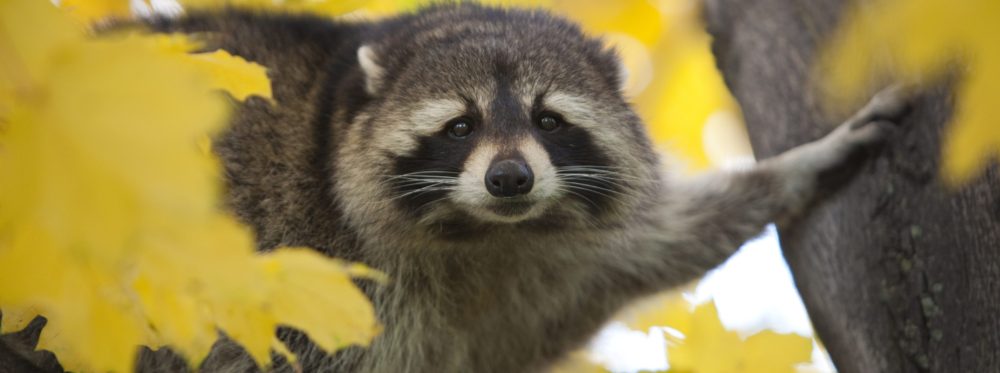
That masked face peeking out from behind your trash cans is undeniably charming. Raccoons move with a curious, almost human-like dexterity, and it’s tempting to toss out a few scraps just to watch them eat. But that small act of kindness can set off a chain of problems that reach far beyond your backyard.
Feeding raccoons feels harmless in the moment. In reality, it puts your health, your property, and your community’s wildlife balance at risk. This post breaks down why feeding raccoons is a mistake, and what Louisville homeowners should do instead when these clever critters show up looking for a handout.
Why Raccoons Are Attracted to Human Food
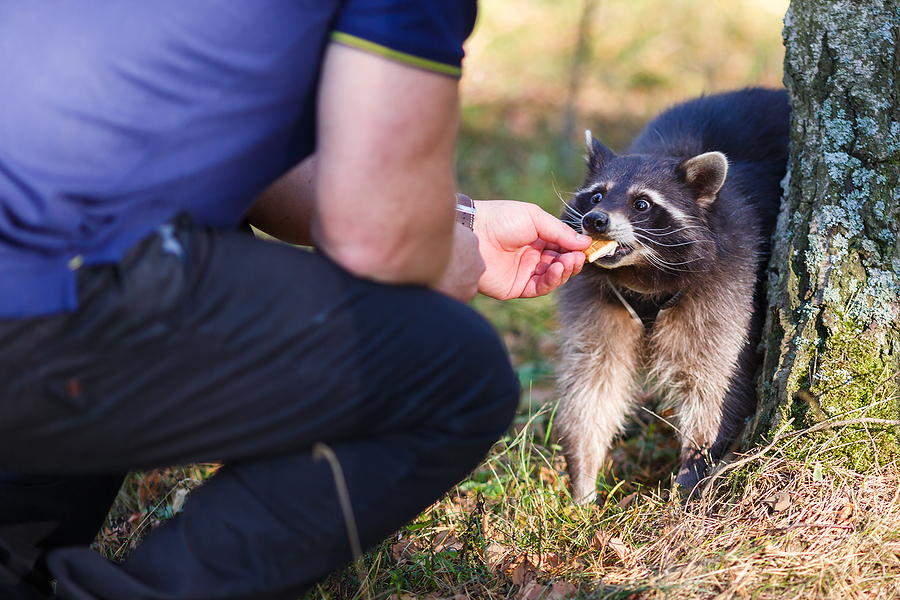
Raccoons are remarkably intelligent animals with sharp memories. Once they discover a reliable food source, they remember exactly where to find it and return again and again, often bringing along family members.
Human food also happens to be far more appealing than what raccoons typically forage for in the wild. Leftover pizza crusts, pet food, and unsecured garbage offer more calories with far less effort than hunting insects or foraging for nuts and berries. This easy access quickly changes a raccoon’s behavior.
The biggest shift happens with fear. A raccoon that regularly eats near humans loses its natural wariness. It becomes bolder, less cautious, and far more likely to approach people, pets, and homes without hesitation.
The Dangers of Feeding Raccoons
Health Risks
Raccoons can carry several diseases that pose a genuine risk to humans and pets. Rabies is the most serious concern. Raccoons are among the most common carriers of this virus, and once symptoms appear, the disease is nearly always fatal without prompt treatment.
Raccoons also carry Baylisascaris procyonis, better known as raccoon roundworm. Infected raccoons can shed more than a million eggs a day through their droppings, and these eggs can remain infectious in soil for months. Other diseases linked to raccoons include leptospirosis, giardia, and canine distemper, all of which can spread to pets and, in some cases, people.
The more comfortable a raccoon becomes around your home, the greater the odds of an unwanted encounter with these risks attached.
Property Damage
A well-fed raccoon doesn’t just visit and leave. It often decides your property is worth sticking around for, and that’s when the real damage begins.
Raccoons are skilled climbers with nimble paws built for prying, digging, and tearing. Once they feel at home, they may:
- Rip apart roof vents, siding, and soffits to find a nesting spot
- Tear through insulation in attics and crawl spaces
- Chew on electrical wiring, creating a genuine fire hazard
- Overturn trash cans and dig up lawns searching for grubs
- Contaminate outdoor spaces with feces and urine
Repairing raccoon damage often costs homeowners far more than the peace of mind gained from a single feeding session.
Wildlife Imbalance
Feeding raccoons doesn’t just affect your yard. It disrupts the natural checks that keep local wildlife populations healthy. When food is abundant and easy, raccoon populations can grow beyond what the surrounding environment can naturally support.
This overcrowding increases competition for den sites, spreads disease more rapidly through dense populations, and creates more frequent conflicts between raccoons, pets, and people across the neighborhood.
Legal and Safety Consequences
Beyond the health and property concerns, feeding raccoons can also land you in legal trouble. The Kentucky Department of Fish and Wildlife Resources prohibits feeding raccoons and other wildlife without proper permits, and violations can result in fines.
There’s also a liability question worth considering. If a raccoon you’ve been feeding bites or scratches a neighbor, a delivery driver, or a child playing nearby, you could be held responsible for the resulting injury. What starts as an innocent gesture can quickly turn into a legal and financial headache.
What to Do If Raccoons Are on Your Property
If raccoons have started showing up regularly, the goal is to make your property as unappealing to them as possible.
- Secure your food sources. Use tight-fitting lids on trash cans, bring pet food indoors overnight, and remove bird feeders that scatter seed on the ground.
- Seal off entry points. Install a chimney cap, repair gaps in your roofline, and cover vents to prevent raccoons from moving into your attic or crawl space.
- Add deterrents. Motion-activated lights and sprinklers startle raccoons and discourage repeat visits without causing harm.
- Call in the professionals. If raccoons have already moved in or keep coming back despite your efforts, professional raccoon removal is the safest and most effective solution.
Frequently Asked Questions
Is it ever safe to feed raccoons?
No. Feeding raccoons carries health, legal, and safety risks no matter the circumstances, and it encourages behavior that puts both people and the animals at risk.
What should I do if a raccoon is in my attic?
Contact a professional wildlife removal service right away. Raccoons can cause significant damage and may become defensive if they feel cornered, especially mothers with young.
Will a fed raccoon leave on my own?
It’s unlikely. Raccoons remember reliable food sources and tend to return repeatedly. Professional removal is usually necessary to fully resolve the problem.
Keep Raccoons Wild, Not Welcome
Raccoons are fascinating to watch from a distance, but that admiration should stop well short of feeding them. Protecting your health, your home, and your neighborhood’s wildlife balance means letting raccoons stay wild and self-sufficient.
If raccoons have made themselves at home on your Louisville, Kentucky property, don’t wait for the problem to grow. Contact our team today for professional raccoon removal and control services, and get your property back to being raccoon-free.
Related Posts:
Can I Keep a Raccoon as a Pet in Kentucky?
Raccoon-Proof Bird Feeders: Tips and Tricks
Why Are Raccoons Attracted to My Property?