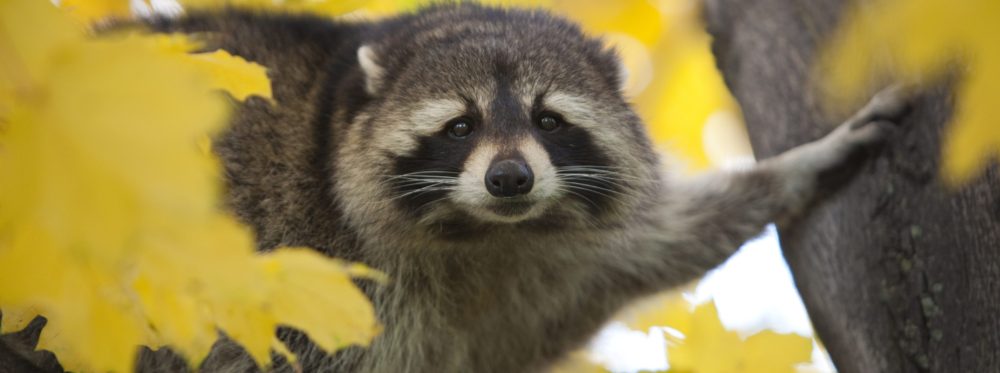
A chimney offers raccoons everything they want: warmth, shelter, and protection from predators. Unfortunately, that same coziness can turn into a costly, noisy problem for Louisville homeowners. Scratching sounds at 2 a.m., strange odors, and visible damage are all signs that your chimney has an unwanted tenant.
The good news? Raccoon problems are preventable, and if one has already moved in, there are humane, effective ways to get it out safely. This guide breaks down why raccoons target chimneys, how to spot the warning signs, and what you can do to keep them out for good.
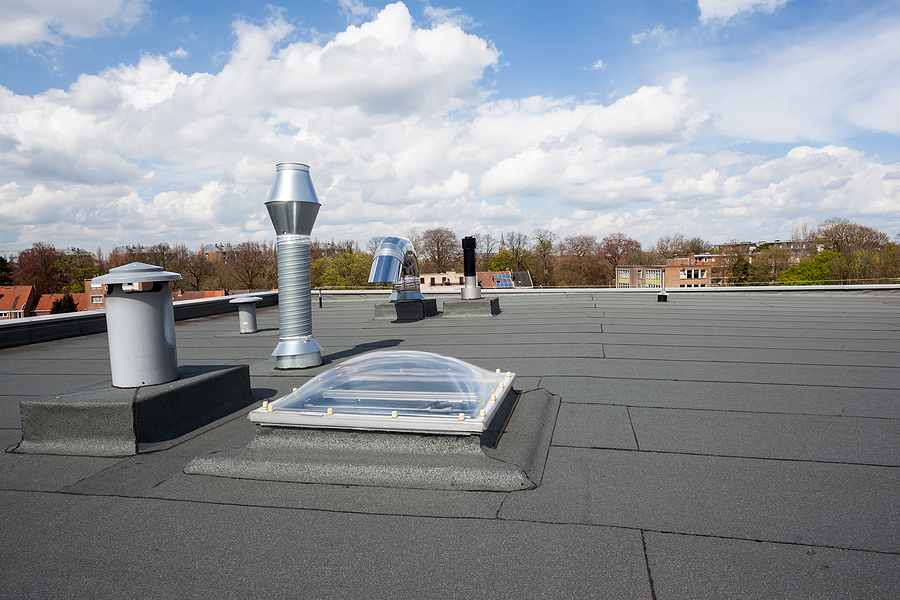
Why Raccoons Enter Chimneys
Raccoons are drawn to chimneys because they mimic the hollow, elevated spaces raccoons seek out in the wild, like hollow trees. A chimney provides a dry, warm, dark area shielded from wind, rain, and predators.
Mother raccoons are especially likely to choose chimneys as nesting sites, particularly in urban and suburban areas where natural denning spots are limited. Once inside, a raccoon can easily climb up into attic spaces, using the vertical structure of the chimney like a ladder. This makes chimneys one of the easiest access points for climbing animals looking to settle in for the season.
Signs of Raccoons in Your Chimney
Catching a raccoon problem early can save you from costly damage. Watch for these telltale signs.
Unusual Noises
Scratching, scurrying, or thumping sounds, especially at night, are a strong indicator. Adult raccoons average around 15 pounds, so their movements can be surprisingly loud. If you hear high-pitched squealing or chittering, it likely means a mother raccoon has given birth to babies above the damper.
Odors and Debris
A persistent, foul smell coming from your fireplace or chimney often points to droppings or a decomposing food source. Raccoon droppings are small and cylindrical, similar in appearance to a small dog’s, and are often found in latrines near entry points.
Visible Evidence
Check your roofline for droppings, nesting debris, or disturbed materials around the chimney base. Tracks on the roof or near the chimney opening are another clear sign that raccoons have been climbing in and out.
Prevention Methods
The best way to deal with a raccoon problem is to prevent one from starting. These steps can help raccoon-proof your home.
Install Chimney Caps and Screens
A stainless steel chimney cap is one of the most effective tools for keeping raccoons out. It blocks access to the flue while still allowing proper ventilation. Caps should be inspected regularly to ensure they remain secure and undamaged.
Trim Trees and Secure Your Roof
Overhanging tree branches give raccoons an easy path from the ground to your roofline. Trimming limbs back from the roof removes this access point. While you’re at it, check for loose shingles, flashing, or roofing materials that could create additional entryways.
Remove Food Sources
Raccoons are opportunistic feeders drawn to easy meals. Keep garbage cans sealed and stored away from your home’s exterior, and remove pet food bowls, bird feeders, and compost piles that might attract them to your yard in the first place.
If you’re already hearing noises or noticing signs of activity, don’t wait. Call 502-694-3534 for a free estimate on raccoon removal and control in Louisville, Kentucky.
Removal and Control Solutions
If raccoons have already made themselves at home, prevention alone won’t solve the problem. Safe raccoon removal requires the right approach.
One-Way Door Installations
A one-way door allows a raccoon to exit the chimney on its own but prevents it from re-entering. This humane exclusion method is effective once you’re confident no babies are left behind, since separating a mother from her young can create a bigger problem.
Why Professional Removal Matters
Raccoons can carry diseases such as rabies, leptospirosis, roundworm, and salmonella, making DIY removal risky without the right training and equipment. They can also damage flue linings, dampers, and chimney caps, and blockages from nesting material can obstruct airflow and increase the risk of carbon monoxide buildup.
Licensed wildlife control operators know how to safely assess the situation, determine whether babies are present, and complete the exclusion process without harming the animals or your chimney. Once raccoons are removed, sealing entry points promptly prevents them from returning.
Frequently Asked Questions
How do I know if it’s a raccoon and not another animal?
Raccoon droppings resemble small dog droppings and are often found clustered near entry points. Loud thumping noises, high-pitched squealing from babies, and tracks on the roof also point to raccoons rather than smaller animals like squirrels or birds.
Can I remove a raccoon myself?
It’s not recommended. Raccoons can carry serious diseases, and mishandling a mother with babies can lead to animals getting trapped or injured inside your chimney. A licensed professional can safely assess the situation and remove the raccoons without putting you or the animals at risk.
What’s the best time to seal my chimney?
Sealing should only happen after you’ve confirmed the chimney is empty, including any babies. Sealing too early risks trapping animals inside, which can cause further damage and odor problems. A professional inspection helps confirm the right timing.
How much does professional removal cost?
Costs vary depending on the extent of the infestation, chimney accessibility, and whether repairs are needed. The best way to get an accurate number is to request a free estimate for your specific situation.
Protect Your Home From Raccoon Damage
Raccoons in your chimney are more than just a nuisance. Left unaddressed, they can cause structural damage, create health risks, and leave your home vulnerable to future invasions. Preventive steps like chimney caps and tree trimming go a long way, but an active infestation calls for safe, humane removal by trained professionals.
If you suspect raccoons have moved into your chimney, don’t wait for the problem to grow. Contact us at 502-694-3534 for a free estimate on professional raccoon removal and control in Louisville, Kentucky.
Related Posts:
Why You Need an Annual Raccoon Control Inspection Right Now
How to Stop Raccoons From Harming Your Property
Humane Raccoon Removal in Kentucky: A Complete Guide for Homeowners