Noises Raccoons Make: How to Identify an Infestation

TL;DR: Raccoons create distinctive sounds in homes, including heavy thumping, scratching, chittering, and growling—especially at night. Recognizing these noises early can help you address infestations before they cause serious property damage or health risks.

Key Takeaways:

  • Heavy thumping and scratching in attics or walls at night typically indicate raccoons, not smaller pests
  • Vocal sounds include over 200 different calls, from chittering and growling to mewing from baby raccoons
  • Nocturnal activity is the norm—raccoons are most active shortly after sundown and before sunrise
  • Health risks are serious, including raccoon roundworm (Baylisascaris) and rabies exposure
  • Professional removal is essential for safe, humane raccoon control in Louisville, KY

Table of Contents:

  1. Common Raccoon Noises: From Scratching to Vocalizations
  2. Nighttime Activity: Why Timing Matters for Identification
  3. Difference Between Raccoons and Other Household Pests
  4. Risks of Raccoon Infestations in Louisville Homes
  5. FAQ: Frequently Asked Questions about Raccoon Behavior
  6. Quick Recap: Bulleted Summary of Signs
  7. Louisville Raccoon Removal
Call 502-553-7622 to Safely Remove Raccoons in Louisville Kentucky

Common Raccoon Noises: From Scratching to Vocalizations

Raccoons create two main categories of sounds: movement noises and vocalizations. Both can alert you to their presence in your home.

Movement and Activity Sounds

The most common sounds raccoons make are related to their physical activity. Heavy thumping is the hallmark sign of raccoons in your attic or walls. Unlike smaller rodents, raccoons can weigh up to 20 pounds, and their footsteps are unmistakable. You’ll hear loud thumps as they move across ceilings, especially if they jump from one spot to another.

Scratching and rustling are also telltale signs. Raccoons scratch as they navigate through insulation, tear into vents, or dig to create dens. The sound of an animal scurrying across your attic—combined with weight—often points to a raccoon rather than a squirrel or mouse.

Vocal Sounds

Raccoons are extremely vocal creatures, capable of making over 200 different sounds. These include:

  • Chittering: A high-pitched, bird-like call used for communication
  • Growling: A low, threatening sound when raccoons feel cornered or alarmed
  • Hissing and snarling: Signs of aggression or fear
  • Purring: A rhythmic churring sound when raccoons feel safe, often heard between mothers and their young
  • Mewing and crying: Baby raccoons (kits) make soft, kitten-like noises when they’re young, which evolve into louder thumping and snarling as they grow and begin to wrestle

If you hear soft mewing in your attic during spring or early summer, a raccoon has likely established a den to raise her young.

Nighttime Activity: Why Timing Matters for Identification

When you hear noises is just as important as what you hear. Raccoons are nocturnal animals. They leave their dens shortly after sundown to forage for food and return before sunrise. If you hear heavy thumping, scratching, or vocal sounds during these hours—particularly late at night—raccoons are the likely culprits.

Female raccoons nursing young may also venture out during the day for additional foraging. However, daytime sightings are less common and may indicate a heavily populated den or a health issue such as rabies.

In contrast, squirrels are active during the day (diurnal), and mice tend to be active late at night but respond to your household activity patterns. Understanding these schedules can help you narrow down which pest is causing the disturbance.

Difference Between Raccoons and Other Household Pests

Not all attic noises are created equal. Here’s how to distinguish raccoons from other common invaders:

Raccoons vs. Squirrels

Squirrels are much lighter and faster than raccoons. You’ll hear quick, skittering footsteps rather than heavy thuds. Squirrels also make grinding noises as they chew on woodwork, but they’re active during the day. If you hear loud thumping at night, it’s almost certainly not a squirrel.

Raccoons vs. Mice or Rats

Mice and rats create softer, faster scratching sounds. They’re also much lighter, so their footsteps won’t produce the heavy thumps associated with raccoons. Rodents are nocturnal but tend to become active later in the evening, often after household members have gone to bed.

Raccoons vs. Bats

Bats make soft, high-pitched cricket-like chirping sounds and a faint scratching noise as they crawl. Unlike raccoons, bats don’t thump or make heavy movement sounds. Bats are also more likely to be heard in walls than overhead in ceilings.

Raccoons vs. Opossums

Opossums can also create thumping noises, though they’re generally quieter than raccoons. However, opossums are less likely to invade attics and more commonly nest under decks or in crawl spaces.

The combination of heavy thumping, vocal sounds, and nocturnal timing strongly suggests raccoons rather than other pests.

Risks of Raccoon Infestations in Louisville Homes

Raccoon infestations aren’t just a nuisance—they pose serious health and safety risks.

Raccoon Roundworm (Baylisascaris)

One of the most dangerous threats from raccoons is Baylisascaris procyonis, a parasitic roundworm found in raccoon feces. According to the Centers for Disease Control and Prevention (CDC), Baylisascaris is thought to pose the greatest risk to people because raccoons often live in close proximity to human dwellings.

If roundworm eggs are accidentally ingested—particularly by young children—they can cause severe illness, including neurological damage, organ damage, blindness, and even death. The eggs take 2 to 4 weeks to become infectious after being passed in raccoon feces, but once they reach that stage, they’re highly dangerous.

Rabies

Raccoons are a frequent source of rabies, a deadly viral disease transmitted through bites or scratches. Due to these risks, the CDC advises against handling raccoons or their waste without proper protection.

Property Damage

Raccoons cause extensive structural damage. They tear through insulation, rip open vents, chew through wiring, and contaminate attics with feces and urine. Raccoon damage like this can cost thousands of dollars to repair and creates unsanitary conditions in your home.

Seasonal Concerns

In Louisville and across Kentucky, raccoon breeding season typically runs from late winter through summer. Female raccoons often seek out attics and chimneys to establish dens for their young during this time. If you hear noises between April and August, there’s a strong chance baby raccoons are present, making professional raccoon removal even more critical.

Frequently Asked Questions about Raccoon Behavior

How do I know if raccoons are in my attic?

You’ll hear heavy thumping, scratching, and vocal sounds like chittering or growling, especially at night. You may also notice torn insulation, damaged vents, or raccoon droppings in your attic.

Do raccoons make noise during the day?

Raccoons are primarily nocturnal, but nursing females may leave the den during the day to forage. If you hear noises during daylight hours, it could indicate a large litter or a sick animal.

What does a baby raccoon sound like?

Baby raccoons make soft, kitten-like mewing and crying sounds when they’re very young. As they grow, these noises evolve into louder thumping and snarling as the kits wrestle and play.

Are raccoons dangerous to humans?

Yes. Raccoons can carry rabies and raccoon roundworm (Baylisascaris), both of which pose serious health risks. They may also become aggressive if cornered or if protecting their young.

Can I remove raccoons myself?

It’s not recommended. Raccoons can be aggressive, and handling them or their waste without proper protection exposes you to disease. Professional wildlife removal services ensure safe, humane removal and proper cleanup.

How can I prevent raccoons from entering my home?

Secure trash cans with tight-fitting lids, remove outdoor pet food, trim tree branches away from your roof, and seal potential entry points like vents, chimneys, and gaps in soffits. Installing chimney caps and screening attic vents can also help.

Quick Recap:

  • Heavy thumping and scratching in attics or walls, especially at night
  • Vocal sounds including chittering, growling, hissing, and mewing from baby raccoons
  • Nocturnal activity—most noise occurs shortly after sundown and before sunrise
  • Larger, heavier sounds compared to squirrels, mice, or bats
  • Visible damage to vents, insulation, or roofing materials
  • Droppings that are dark, tubular, and have a pungent odor
  • Seasonal patterns—increased activity during spring and summer when females raise young

Final Thoughts

Hearing raccoon noises in your home is more than an annoyance—it’s a warning sign of potential health risks and structural damage. From the distinctive heavy thumping to the vocal chittering and mewing of baby raccoons, these sounds indicate an infestation that requires immediate attention.

Understanding the difference between raccoon noises and those made by other pests can help you identify the problem quickly. However, raccoons pose serious risks, including raccoon roundworm and rabies, making DIY removal both dangerous and ineffective.

If you’re experiencing raccoon activity in your Louisville, KY home, contact our licensed wildlife removal company. We can safely remove the animals, clean contaminated areas, and seal entry points to prevent future infestations. Don’t wait until the damage—or the health risks—escalate. Schedule a free estimate today to protect your home and family.

Call Now to Book Service

Related Post: Hearing Thumps in the Attic? A Guide to Winter Raccoon Control

Top Raccoon Repellents for Your Attic: What Actually Works?

It starts with a thump in the night. Then, perhaps, a scratching sound right above your bedroom ceiling. Few things are as unsettling as realizing you are sharing your home with a wild animal. If you’ve heard heavy footsteps or chittering noises coming from your attic, you likely have a raccoon problem.

Beyond the noise and the sleepless nights, raccoons pose a serious risk to your property and health. They can trample insulation, chew through wires, and leave behind hazardous waste. While your instinct might be to find the strongest chemical available to drive them out, the reality of wildlife control is often more complex. Understanding what drives these intelligent creatures into your home is the first step toward reclaiming your peace of mind.

TL;DR: If you need immediate answers, here is the short version: Repellents alone rarely solve a raccoon infestation long-term. While strong odors and loud noises can temporarily annoy a raccoon, physical exclusion—physically blocking them out—is the only permanent solution.

  • Most Effective: Use a “harassment” combination of bright lights and a loud radio to encourage them to leave on their own, then seal entry points with heavy-duty wire mesh.
  • Avoid: Mothballs. They are illegal to use as animal repellents, ineffective, and release toxic fumes into your home.
  • The Golden Rule: Never seal an attic until you are 100% sure all raccoons (including babies) are out.

Key Takeaways

  • Identify the attraction: Raccoons typically enter attics to find a warm, safe place to give birth and raise their young.
  • Repellents have limits: Ammonia, vinegar, and lights can work as temporary deterrents but are not permanent fixes.
  • Safety first: Raccoon feces can carry roundworm, which is dangerous to humans. Always wear protective gear or hire a professional for cleanup.
  • Exclusion is key: The only way to stop raccoons for good is by sealing entry points with 16-gauge hardware cloth.

Table of Contents

  1. What Makes Raccoons Want to Live in My Attic?
  2. What Repellents Actually Work on Raccoons?
  3. DIY Raccoon Repellent Recipes to Try
  4. Are There Professional Raccoon Removal Services?
  5. How Can I Prevent Raccoons from Returning?
  6. Frequently Asked Questions
  7. Quick Recap
  8. Protect Your Home Today
Call 502-553-7622 for Professional Attic Raccoon Repellent Services in Louisville Kentucky

What Makes Raccoons Want to Live in My Attic?

To get rid of a raccoon, you have to think like one. In the wild, raccoons seek out hollow trees or rock crevices to den. In the suburbs, your attic is the five-star equivalent of a hollow tree. It is dry, insulated, warm, and protected from predators.

This is especially true during baby season, which typically runs from March through June. A female raccoon looking for a safe nursery will tear through soffits, shingles, and vents to access your attic. Once she has established a nest and given birth, she will be incredibly resistant to leaving. She isn’t just looking for a place to sleep; she is protecting her family. This maternal instinct is why simple repellents often fail—a mother raccoon will tolerate bad smells and loud noises if it means keeping her kits safe.

What Repellents Actually Work on Raccoons?

The internet is full of “miracle” cures for wildlife, but raccoons are intelligent and adaptable. Here is the truth about common repellent methods.

The “Harassment” Technique (Light and Sound)

Since raccoons are nocturnal and prefer dark, quiet spaces, disrupting their environment is often the most humane and effective DIY method.

  • Lighting: Place a bright work light or strobe light in the attic. Raccoons hate feeling exposed.
  • Sound: A battery-operated radio tuned to a talk station or loud rock music can make the environment feel unsafe.
  • Effectiveness: Moderate. This works best when the raccoon has just arrived. A mother with immobile babies may stubbornly refuse to leave.

Scent-Based Deterrents

Raccoons have a sensitive sense of smell. Certain strong odors can signal danger or discomfort.

  • Ammonia: The scent mimics the urine of predators. However, you must be careful not to place ammonia directly near nesting babies, as the fumes can be harmful.
  • Predator Urine: Available at hunting or garden stores, this can sometimes trick raccoons into thinking a threat is nearby.
  • Effectiveness: Low to moderate. Scents fade quickly and need constant reapplication. Raccoons often get used to the smell (habituation).

A Warning on Mothballs

You may have heard that mothballs are a good repellent. Do not use them.

Mothballs are regulated pesticides. Using them in a manner inconsistent with their label (like throwing them in an attic) is a violation of federal law. More importantly, they contain chemicals like naphthalene or paradichlorobenzene, which turn into toxic vapors. These fumes can seep down into your living quarters, posing health risks to you, your children, and your pets. They are also largely ineffective against raccoons.

DIY Raccoon Repellent Recipes to Try

If you want to try a home remedy before calling in the pros, these mixtures can help make your attic less welcoming.

Cayenne Pepper Spray

Raccoons dislike the irritation caused by capsaicin (the heat component in peppers).

  • Recipe: Mix one small bottle of cayenne pepper sauce (or powdered cayenne) with a gallon of water and a few drops of dish soap (to help it stick).
  • Application: Spray this around potential entry points, trash cans, or areas where you have seen activity.
  • Note: This is a temporary deterrent and must be reapplied after rain or every few days.

The Cider Vinegar & Radio Combo

This is a safer alternative to ammonia for encouraging a mother raccoon to move her kits.

  • Method: Soak rags in apple cider vinegar and place them in a ventilated container (like a plastic tub with holes) near the denning area. Combine this with a radio playing a talk show. The human voices combined with the strong scent can convince the raccoon that the area is no longer secure.

Professional Raccoon Removal Services

Sometimes, DIY methods just aren’t enough. If a raccoon has babies in your attic, amateur removal attempts can lead to disaster. If you seal the hole while the mother is out foraging but leave the babies inside, the mother will cause massive damage trying to get back in—or worse, the babies will perish inside your walls, creating a biohazard.

Professional wildlife removal experts understand raccoon behavior. They use humane exclusion devices, such as one-way doors, which allow the animals to leave but prevent them from getting back in. If babies are present, professionals can remove them by hand and place them in a heated “reunion box” outside, allowing the mother to retrieve them safely.

Expert Help in Louisville, KY

If you are located in the Louisville area, our team specializes in humane, effective raccoon removal. We understand local wildlife laws and building structures, ensuring the job is done right the first time without endangering your family or the animals.

How Can I Prevent Raccoons from Returning?

Once the raccoons are gone, you must fortify your home to prevent a repeat invasion. Raccoons are dexterous and strong; they can rip open weak repairs.

  • Seal Entry Points: Use 16-gauge galvanized steel mesh (hardware cloth) to cover vents, holes, and soffit gaps. Raccoons can tear through regular chicken wire and screen mesh easily.
  • Install Chimney Caps: An uncapped chimney is an open invitation. Install a stainless steel cap that is securely bolted down.
  • Trim Trees: Cut back overhanging tree branches to at least 6–8 feet away from your roofline to limit access.
  • Secure Garbage: Use wildlife-proof trash cans or secure lids with bungee cords to remove the food source that attracts them to your property in the first place.

Frequently Asked Questions

Is raccoon poop dangerous?

Yes. Raccoon feces can contain the eggs of a parasite called Baylisascaris procyonis (raccoon roundworm). These eggs are extremely resilient and can cause severe neurological damage in humans if ingested (often through breathing in contaminated dust). Do not use a vacuum or broom on dry feces. If you find a latrine in your attic, it is best to hire a professional for hazardous waste cleanup.

Why do I see a raccoon during the day? Is it rabid?

Not necessarily. While raccoons are nocturnal, a mother raccoon may forage during the day to feed her young. However, if the raccoon appears disoriented, is walking in circles, dragging its limbs, or making strange high-pitched noises, it may be sick. Do not approach it. Call animal control immediately.

Can I just trap the raccoon and release it elsewhere?

In many states, including Kentucky, there are strict regulations regarding the trapping and relocation of wildlife to prevent the spread of disease. Relocating a raccoon far away is often illegal and can be a death sentence for the animal, as they struggle to find new territory. Exclusion (locking them out) is generally the preferred, legal, and humane method.

Quick Recap

Raccoons want warmth and safety, especially during baby season (spring).

  • Harassment works best: Use light and sound to make them leave voluntarily.
  • Skip the mothballs: They are toxic and illegal.
  • Exclusion is the cure: One-way doors and steel mesh prevents reentry.
  • Check for babies: Never seal an attic without verifying it is empty.

Protect Your Home Today

Dealing with raccoons in your attic is stressful, but it is a problem with a clear solution. By combining humane harassment techniques with solid physical exclusion, you can reclaim your home. Remember, the goal isn’t just to chase them away for a night, but to secure your home so they never come back.

If the scratching sounds persist or you suspect a family of raccoons has moved in, don’t wait for the damage to get worse.

Do you need professional help evicting unwanted guests? Our licensed wildlife removal experts in Louisville are ready to help. We provide humane removal, damage repair, and biohazard cleanup to restore your home and your peace of mind. Contact us today for a thorough inspection.

Call Our Office Now

Related Post: Raccoon Repellent: Options and Application Tips

The Importance of Professional Raccoon Removal and Control

That rustling sound you hear in the attic at night might be more than just the house settling. For many Louisville homeowners, it’s the telltale sign of a nuisance raccoon. While these animals might look cute with their masked faces and clever paws, they can cause significant problems for your property and pose health risks to your family.

Discovering you have a raccoon problem can be unsettling. Your first instinct might be to handle it yourself, but raccoon removal is more complex and dangerous than it seems. Professional intervention is often the safest and most effective solution. This guide will walk you through raccoon behavior, the risks of DIY removal, and how a professional raccoon removal service in Louisville can provide a lasting solution to protect your home and loved ones.

Call 502-553-7622 for Professional Raccoon Removal Service in Louisville

Understanding Raccoon Behavior in Kentucky

Raccoons are intelligent and highly adaptable creatures, which is why they thrive in urban and suburban areas like Louisville. They are primarily nocturnal, meaning they are most active at night, searching for food, water, and shelter. Your home can provide all three, making it an attractive target.

Common raccoon habits include:

  • Nesting: Attics, crawl spaces, and chimneys offer warm, safe places for raccoons to build dens and raise their young. Raccoon breeding season typically peaks in late winter and spring, so you may notice more activity during these times.
  • Foraging: Raccoons are omnivores and will eat almost anything. Unsecured trash cans, pet food left outdoors, and gardens are easy food sources that attract them to your property.
  • Destructive Entry: To gain access to your home, raccoons can tear through roofing shingles, pry open vents, and damage wooden structures. Their dexterity allows them to open latches and containers with surprising ease.

The presence of raccoons brings more than just property damage. They are known carriers of several serious raccoon diseases that can affect both humans and pets. In Louisville, these include:

  • Rabies: A deadly viral disease transmitted through bites or scratches.
  • Raccoon Roundworm (Baylisascaris): A dangerous parasite found in raccoon feces. If ingested, its eggs can cause severe neurological damage, particularly in children who may come into contact with contaminated soil or surfaces while playing.
  • Leptospirosis: A bacterial infection spread through water or soil contaminated with raccoon urine, leading to flu-like symptoms and potential organ damage.
  • Giardiasis: An intestinal infection caused by a parasite found in contaminated water or surfaces.

DIY vs. Professional Raccoon Control

When faced with a raccoon problem, many homeowners consider taking matters into their own hands. While DIY raccoon deterrents and traps are available, they often fall short and can be risky.

The Dangers of DIY Removal

Health Risks: Direct contact with raccoons or their waste exposes you to the diseases mentioned above. Attempting to trap or handle a raccoon without proper training and protective gear is extremely hazardous. A cornered raccoon can become aggressive, leading to bites and scratches.

Ineffectiveness: Simply trapping and removing one raccoon rarely solves the problem. If there’s a litter of babies left behind in your attic, they will eventually die, creating a foul odor and a more complicated cleanup situation. Furthermore, if the entry points aren’t sealed, another raccoon will likely take its place.

Legal Issues: Louisville and the state of Kentucky have specific regulations regarding wildlife management. Louisville Metro Animal Services requires permits for trapping and relocating wildlife to ensure humane treatment and prevent the spread of diseases. Failing to comply can result in fines. Local ordinances also prohibit feeding wildlife, which can attract nuisance raccoons in the first place.

The Benefits of Professional Removal

Hiring a professional raccoon removal service ensures the problem is handled safely, humanely, and effectively. Professionals are equipped with the knowledge and tools to manage the situation from start to finish. They understand local laws, raccoon behavior, and the best methods for a permanent solution.

Schedule Your Raccoon Removal Today!

Comprehensive Raccoon Removal Services

A reputable wildlife control company offers more than just trapping. Their goal is to provide a long-term solution that keeps raccoons out for good.

1. Raccoon Inspection

The first step is a thorough raccoon inspection of your property. A trained technician will identify all entry points, assess the extent of the damage, and locate any dens or nests. This comprehensive evaluation is crucial for creating an effective removal and prevention plan. They’ll check common areas like raccoons in the attic, crawl spaces, and under decks.

2. Humane Removal and Control

Professionals use humane methods to remove raccoons. This often involves using special traps or one-way doors that allow raccoons to exit but not re-enter. If a mother and her young are present, technicians are trained to safely remove the entire family together, ensuring no babies are left behind.

3. Damage Repair and Cleanup

Once the raccoons are gone, the real work begins. Raccoons can cause extensive damage, and simply removing them isn’t enough. Professional services often include:

  • Attic Damage Repair: Raccoons frequently tear up insulation for nesting, which reduces your home’s energy efficiency. They also contaminate the area with feces and urine.
  • Infestation Cleanup: Professional cleanup involves removing all contaminated materials, deodorizing the space, and using special disinfectants to neutralize pathogens from raccoon waste, protecting your family from diseases like raccoon roundworm.
  • Structural Repairs: This includes fixing damaged roofing, siding, vents, and any other entry points to restore your home’s integrity. Raccoons are known to chew on electrical wiring, creating a serious fire hazard that needs to be addressed.

4. Prevention and Exclusion

The final and most important step is preventing future infestations. Professionals will seal all potential entry points with durable, chew-proof materials. This exclusion work is key to a long-term raccoon control strategy, giving you peace of mind that your home is secure.

Choosing the Right Company in Louisville

When selecting a raccoon removal service, look for a company that is:

  • Licensed and Insured: Ensure they have the proper licenses to operate in Kentucky and carry liability insurance to protect your property.
  • Experienced: Choose a company with a proven track record of successfully and humanely handling raccoon infestations.
  • Transparent: They should provide a detailed inspection report and a clear plan of action, including costs for removal, cleanup, and exclusion work.
  • Humane: Reputable companies prioritize the humane treatment of wildlife and follow all local and state regulations.

Secure Your Home Today

A raccoon infestation is a serious issue that requires a professional approach. From the initial inspection to the final prevention measures, a qualified raccoon removal company provides a comprehensive solution that DIY methods simply can’t match. By addressing the root of the problem, repairing the damage, and securing your home, you can ensure a safe, healthy, and raccoon-free environment for your family.

If you suspect you have raccoons in your Louisville home, don’t wait for the problem to get worse. Contact Us Now to protect your home and restore your peace of mind with professional raccoon removal services. Don’t delay—take the first step toward a raccoon-free environment today!

Call Now to Book Removal

Related Post: Humane Raccoon Deterrents: Safe & Effective Ways to Protect Your Home

Why Are Raccoons Attracted to My Property?

If you’ve noticed signs of raccoons roaming around your Louisville, Kentucky property—like overturned trash cans, damaged gardens, or unsettling noises in your attic—you’re not alone. The Common Raccoon (Procyon lotor), a clever, resourceful creature, is a frequent visitor to residential areas. But why are they so drawn to your property in particular? And more importantly, how can you keep nuisance raccoons away?

This post will explore why raccoons are attracted to your home, how to identify and remove attractants, and why professional raccoon removal services might be the best solution for protecting both your property and your peace of mind.

Call 502-553-7622 for Licensed and Insured Raccoon Removal Services in Louisville

Understanding Raccoon Behavior

At their core, raccoons are opportunistic animals. Highly intelligent and remarkably adaptable, these creatures thrive in urban and suburban environments where access to food, water, and shelter is abundant. Unlike many other forms of wildlife, raccoons deliberately seek out areas where human activity inadvertently provides these resources, such as trash cans, gardens, or pet food left outdoors.

Louisville, with its unique mix of residential neighborhoods and wooded areas, offers an ideal habitat for raccoons to flourish, creating a perfect balance of natural cover and human-provided resources.

Raccoons are primarily nocturnal, meaning they are most active after sunset and under the cover of darkness. This nocturnal nature allows them to forage for food and explore their surroundings with minimal interference. If you’ve noticed raccoons on your porch, heard rustling in your yard at night, or found overturned trash cans or paw prints, it’s a clear sign they’ve already identified your property as a safe and resourceful environment.

As clever scavengers, they can quickly adapt to your surroundings, making them a fascinating yet sometimes troublesome presence in urban and suburban life.

Common Attractants for Raccoons

Wondering what’s drawing raccoons to your property? Here are some of the most common attractants:

Food Sources

Raccoons have a diverse, omnivorous diet, and your property may serve as an all-you-can-eat buffet:

  • Trash and Compost: Open or unsecured trash cans and accessible compost piles are irresistible to raccoons.
  • Pet Food: Pet bowls left outdoors overnight are an easy source of calories.
  • Gardens and Fruit Trees: Vegetable gardens, fallen fruit, and birdseed feeders provide nutrition for these scavengers.

Water Sources

Raccoons need access to water and will exploit any available source:

  • Ponds, fountains, or decorative water features
  • Pet water bowls left outside
  • Leaky spigots or outdoor hoses
  • Uncovered swimming pools

Shelter Opportunities

Raccoons are always on the lookout for safe, quiet places to sleep or build nests:

  • Attics, crawl spaces, and chimneys
  • Barns, sheds, and garages
  • Dense shrubbery or woodpiles
  • Gutters, downspouts, or under decks

By providing access to any of these resources, you may unwittingly be inviting raccoons to make your property their home.

Schedule a Property Inspection for Raccoon Removal

The Dangers of Ignoring Raccoons on Your Property

Ignoring raccoon activity may seem harmless at first, but it can lead to serious and costly consequences over time. Here’s what you need to know:

Property Damage

Raccoons are notorious for causing significant damage to homes and properties. They can tear through shingles, chew up insulation, damage siding, overturn trash cans, and clog gutters with debris. If they manage to get inside your attic, they can wreak havoc on wiring, insulation, and wooden structures, which may result in expensive repairs.

Health Hazards

Raccoons are carriers of multiple diseases that can be transmitted to humans and pets. These include rabies, raccoon roundworm, leptospirosis, giardiasis, and salmonellosis. Even their urine and feces can contaminate surfaces and pose a health risk, requiring proper raccoon infestation cleanup and repair to ensure safety.

Nesting and Reproduction

When left unaddressed, raccoons may establish nests on your property, particularly in attics, chimneys, or crawl spaces. Female raccoons often seek out warm, quiet areas to raise their young, which can result in a larger population over time. This not only amplifies the damage but also makes removal more challenging and time-consuming.

Escalating Costs

The longer raccoons are allowed to stay on your property, the more extensive the damage becomes. Delaying action means you could face higher costs for both repairs and professional removal services. Preventative measures and early intervention are far more cost-effective in the long run.

Taking swift action when you notice raccoon activity can save you time, money, and stress. If you suspect a raccoon problem, contacting a wildlife removal professional is the safest and most effective way to address the issue.

Effective Raccoon Deterrents and Prevention Tips

To prevent raccoons from settling on your property, you’ll need to make it less appealing to them. Follow these tips to remove attractants and deter nuisance raccoons:

1. Secure Your Trash

  • Use heavy-duty garbage cans with locking lids.
  • Keep your trash cans inside a secure garage or shed until collection day.

2. Remove Food Sources

  • Store pet food indoors and bring pet bowls in at night.
  • Regularly harvest ripe fruits and vegetables from your garden.
  • Clean up fallen birdseed or consider removing bird feeders entirely.

3. Eliminate Water Sources

  • Fix leaks in hoses, spigots, or other outdoor water systems.
  • Secure any decorative water features at night with covers or deterrents.

4. Seal Off Shelter Access

  • Use chimney caps to block access to your chimney.
  • Repair damaged soffits, vents, or siding to prevent entry to attics or crawlspaces.
  • Clear out dense vegetation, woodpiles, or debris that could serve as hiding spots.

5. Use Non-Toxic Raccoon Repellent

  • Motion-activated sprinklers or lights can scare raccoons away.
  • Natural raccoon repellents, like predator urine or sprays made with essential oils, can be applied around your property.

6. Fence Vulnerable Areas

  • Install durable fencing around gardens or other vulnerable spots. Bury the base at least 6 inches deep to prevent digging.

When to Call a Professional Wildlife Removal Service

Sometimes, despite your best efforts, raccoons can persist as unwelcome visitors on your property. This is where professional help can make a difference. If raccoons have entered your home, nested in hard-to-reach places like attics, or become increasingly aggressive, it’s time to bring in an expert.

Professional raccoon removal services in Louisville are equipped to handle the situation humanely while ensuring compliance with local wildlife regulations. Trapping and relocating raccoons without proper permits is illegal in Louisville and could result in fines or harm to the animal. Licensed professionals can safely and legally remove raccoons while minimizing damage to your property.

In Summary

Raccoons may be clever and resourceful, but with the right steps, you can reclaim your property and enjoy peace of mind. By removing food, water, and shelter attractants, you’ll make your home far less appealing to these persistent critters. And if the problem persists, don’t hesitate to contact a trusted wildlife removal service for help.

Whether you’re dealing with nuisance raccoons on the porch or more serious property damage, our team is here to help. Contact Raccoon Removal Louisville to schedule a consultation or learn more about keeping your property safe and raccoon-free.

Call Us Now

Related Post: Why are Raccoons in Your Garbage?

Hibernation Station: Understanding Winter Torpor in Raccoons

Ever heard strange noises in your attic during the winter? You might have been sharing your home with a raccoon engaged in its survival strategy known as “torpor.” While often confused with hibernation, winter torpor in raccoons is a fascinating behavior that helps these adaptable creatures survive the harsh winter months. For nature enthusiasts, wildlife lovers, and homeowners alike, understanding this behavior can deepen your appreciation for raccoons—and help you manage any unexpected visits.

This guide will explore the science behind winter torpor, how raccoons adapt during this time, and steps homeowners can take to peacefully coexist with these clever creatures. Whether you’re curious about wildlife or concerned about a potential raccoon infestation, you’re in the right place.

Call 502-553-7622 for Attic Raccoon Removal in Louisville Kentucky

What Is Winter Torpor and How Does it Relate to Raccoons?

Winter torpor is a state of reduced activity and metabolic suppression that helps animals conserve energy when food is scarce. Unlike hibernation—which is a long-term, continuous dormant state—torpor typically occurs in shorter spurts. Animals in torpor lower their body temperature and slow their metabolism but remain alert enough to wake up periodically.

Raccoons, being the opportunistic animals they are, take full advantage of torpor. They don’t hibernate fully like bears; instead, they enter short phases of inactivity when the temperatures drop dramatically, conserving their energy while waiting for better foraging conditions. This flexibility out in the wild is one of the reasons raccoons adapt so well to various habitats, including urban areas.

Torpor vs. Hibernation

To understand raccoon behavior, it’s essential to distinguish torpor from hibernation:

  • Hibernation: A long-term sleep-like state lasting several months without waking. Common in animals like groundhogs.
  • Torpor: A flexible, shorter-term survival mechanism where animals wake up occasionally to eat or change sleeping locations. Raccoons employ torpor rather than full hibernation.

Think of torpor as “light hibernation.” It gives raccoons the adaptability they need to thrive, whether in the wilderness or around human homes.

Raccoon Behavior During Winter

When winter approaches, raccoons enter survival mode, preparing in several fascinating ways:

Building Fat Reserves

Before the colder months set in, raccoons bulk up. They forage intensively in the fall, increasing their body weight by up to 50% to create a reserve of fat that sustains them during weeks of inactivity.

Finding Winter Dens

Raccoons seek out warm, sheltered dens to ride out the winter. Common locations include hollow trees, abandoned burrows, or—unfortunately for some homeowners—attics, sheds, and chimneys. These spaces provide the insulation raccoons need to stay warm when their activity slows down.

Adapting to Weather Changes

Unlike true hibernators, raccoons remain alert during mild winter days. If the weather warms up enough, they may venture from their dens to search for food. During extreme cold, however, they’ll stay put, relying on torpor to conserve energy.

Impact of Winter Torpor on Homeowners

Raccoons’ adaptability can sometimes create challenges for homeowners during winter. Here’s how their torpor-related behaviors might affect your household:

Raccoons in the Attic

Raccoons may invade attics, garages, or crawl spaces during the colder months, seeking warmth and safety. Noises such as scratching, thumping, or vocalizing could be signs of raccoons settling in for the season.

Increased Infestation Risks

Since raccoons don’t hibernate fully, they occasionally leave their dens to forage. This may lead to property damage, such as overturned trash cans, garden destruction, or chewed wiring in attics.

Health Hazards

Raccoons can carry diseases like rabies or parasites like raccoon roundworm. If they’re nesting close to human habitation, this could present risks to your family and pets.

Tips for Peaceful Coexistence

While raccoons’ winter torpor may bring them closer to your home, there are steps you can take to coexist peacefully while protecting your property.

1. Seal Entry Points Early

  • Inspect your attic, chimney, and crawl spaces for potential entry points.
  • Seal gaps with durable materials like steel mesh or caulk.
  • Install chimney caps and repair any broken vents.

2. Winter Animal-Proof Your Home

Raccoons are resourceful, so invest in effective winter animal-proofing to keep them out:

  • Secure outdoor trash cans with bungee cords or raccoon-proof lids.
  • Remove pet food or birdseed from accessible areas at night.
  • Clear debris and potential shelter materials from around your property.

3. Use Non-Toxic Deterrents

If raccoons are already nearby, safe deterrents can prevent them from getting too comfortable:

  • Place motion-activated lights or sprinklers in your yard to discourage nightly visits.
  • Use raccoon-safe repellents like ammonia-soaked rags (placed carefully outside).

4. Don’t Remove Raccoons Yourself

Attempting to remove raccoons without professional help can be dangerous for both parties. Instead, consult wildlife control experts who specialize in humane raccoon removal.

5. Schedule a Professional Home Inspection

If you suspect a raccoon infestation or want to prevent one, consider scheduling a professional inspection. Experts can identify vulnerabilities in your home and remove raccoons safely, if necessary.

In Summary

Winter torpor in raccoons is a remarkable adaptation, showcasing the resilience of wildlife in harsh conditions. By understanding their behavior and taking proactive steps to protect your home, you can live harmoniously alongside these resourceful creatures.

If you’re hearing mysterious noises in the attic or suspect raccoons have made themselves at home, don’t wait. Schedule a home inspection with a professional raccoon removal service today to ensure your home stays cozy and critter-free all winter long.

Discovered some raccoons hibernating in your attic or wall voids? We have your back. Contact our licensed wildlife control operators at 502-553-7622 for safe raccoon removal and control service in Louisville, Kentucky. We may even be able to perform homeowners’ insurance claim work for attic infestation damage.

Related Posts:

Raccoon-Proofing Your Kentucky Home for Winter: Essential Guide
How to Get Rid of Raccoons in a Barn
Odd Places You Might Find Raccoons Nesting

Raccoon Behaviors that Lead to Expensive Property Repairs

If you own residential or commercial property near wooded or forested areas, then you may eventually experience some issues with nuisance wildlife. Out of all the problems a property owner can experience when it comes to nuisance wildlife, raccoons are the most capable of destroying homes. Because raccoons are nocturnal, meaning they are active at night and sleep in the day, people are not as likely to spot them in action. So instead, learn the signs that point toward common raccoon behavior to let you know whether or not you have a raccoon problem on your hands.

Continue reading to do just that!

Raccoon Removal and Control 502-553-7622
Raccoon urine and feces can soak through attic floorboards and appear on ceilings and walls!

Raccoon Habits That Can Cause You Trouble

Raccoons are among the most destructive local wildlife around mostly because they are intelligent and highly-motivated . Raccoons have dexterous paws that allow them to grip and grasp just as a human could. This ability gives them the power to open doors, pry off roof shingles, dig through garbage, and much more. In addition to their pest-like behavior, they can also carry a plethora of diseases and illnesses.

Trash Can Thieves

Do you have a mysterious trash can culprit rummaging through your garbage at night, then leaving a huge and unsightly mess to clean up the next morning? This may be a sign that you have raccoons coming to your property. Raccoons are notorious for stealing food scraps from residential trash cans and commercial receptacles. They are attracted to easy food sources, and leftover food scraps in an open trash can is hitting the jackpot for them.

Avoid taking your garbage cans out the night before trash day. Instead, take out the trash the day of trash pickup. Although this isn’t a very costly “repair”, it is still a huge indicator that raccoons are trespassing onto your property. If you can stop the problem there, then you can dodge the really costly property owner repairs that could happen.

Roof Damage

Re-roofing a home or building is not a cheap service. On top of paying for labor and product, you have to take time out of your own schedule to supervise the entire replacement process. This situation can all start with just one raccoon. Raccoons are also known for ripping off and prying open roof shingles to find entry points into a warm, dark, cozy, shelter. Raccoons want inside our properties to gain relief from the cold and breed their young. If you do not notice the initial roof damage, rot and mold can cause further harm, leading to a more costly repair. Once they gain entry, there is more potential for structural damages.

Interior Damages

Once inside, raccoons use attics, crawl spaces, and in-wall corridors to eat, sleep, and breed. This is all a messy process. Raccoon waste can saturate dry wall, ceilings, and other interior structures. This weakens them, leaving potential for collapsing or caving in, however, it also creates a terrible odor that will eventually drift into the living quarters of the home or building. Raccoons can also chew through electrical wiring, tear down insulation, and much more.

How to Deal With Nuisance Raccoons Around Your Yard

If you are spotting raccoons on your property, or may think you have a raccoon problem, then be sure to act fast. This way, you can avoid all the potential damages caused by raccoons. The best strategy is to call a professional raccoon control specialist that can give you advice on raccoon prevention, removal, and damage restoration.

Louisville Raccoon Removal and Control Services at an Affordable Price

Call 502-553-7622 for humane Louisville Kentucky raccoon removal and control you can afford. We offer a wide range of services for residential and commercial properties, including raccoon removal, control, prevention, proofing, cleanup, attic restorations, and more. Call 502-553-7622 to request a free estimate or information about Louisville raccoon control, today.

Louisville Raccoon Removal and Control

What a Typical Rabies Vaccination Schedule Looks Like for Humans

If an animal is bitten by a rabid mammal, and they have never been vaccinated, there is little hope for survival. But what about humans? Humans on the other hand can be treated before or after being exposed to the Rabies virus. There are stringent vaccination schedules that must be properly implemented in order for the medicine to be effective.

Continue reading and review the general Rabies vaccination schedule for humans, pre and post-exposure.

Louisville Raccoon Removal and Control 502-553-7622

The Rabies Threat

Rabies is a well-known and widely-feared virus that is highly contagious and commonly carried by many species of mammal. Raccoon, bats, birds, dogs, cats, foxes, and are not only susceptible to the virus, but are common carriers of the disease. It is passed along and transmitted through the infected mammal’s saliva, either through bodily fluids, open wounds, scratches, or bites. If treatment is neglected, the Rhabdovirus is always fatal. Fortunately, modern advances in veterinary care allow us the opportunity to vaccinate our domesticated pets with a Rabies vaccine and protect them from contracting the fatal virus.

Pre-Exposure Rabies Vaccination Schedule for Adults

If a human is exposed to Rabies and goes untreated, respiratory failure, gastrointestinal complications, or central nervous system failure will cause death in the first 7 days. For those involved in vocations or organizations that require contact with sick, wild, or exotic animals, a pre-exposure Rabies vaccination is highly encouraged and effective preventative maintenance. People like zookeepers, animal handlers, Rabies laboratory workers, spelunkers, veterinarians, animal control contractors, animal rescue workers, and those in similar lines of work should be given a vaccination for preventative protection.

Here is the schedule for people who have never had a Rabies vaccination before, and have not yet been exposed to or infected by the virus:

A Total of 3 Doses on Three Separate Occasions:
↳ Day 1 = Dose One
↳ Day 7 = Dose Two
↳ Day 21-28 = Dose Three

Here is the vaccination schedule for people who have been exposed to the Rabies virus without ever having been vaccinated in the past:

A Total of 4 Doses Plus One Shot on Three Separate Occasions:
↳ Dose 1 = Administered Immediately After Exposure
↳ Dose 2 = Three Days After Initial Dose
↳ Dose 3 = Seven Days After Initial Dose
↳ Dose 4 = Fourteen Days After Initial Dose
↳ Rabies Immune Globulin Shot = Given at the Time of First Dose

Here is the vaccination schedule for people who have been exposed to the virus and have had a Rabies vaccination in the past:

A Total of 2 Doses on Two Separate Occasions:
↳ Dose 1 = Immediately After Exposure
↳ Dose 2 = Three Days After the Initial Dose

*To find a Rabies vaccination clinic in your city, view the Passport Health Travel Clinic.

Raccoon Control

If you spot raccoons or other wild animals on your property, be sure to keep your distance to avoid provocation and fear that could cause animals to attack. You never know what diseases an animal has, so it is best to avoid contact at all times. If you suspect you have a raccoon problem, call a local wildlife removal company for safe and humane raccoon control services. Better protect yourself, your family, and your property by preventing raccoons and other animals from visiting each night.

Louisville Raccoon Removal You Can Count On

Call 502-553-7622 for safe and humane Louisville raccoon removal services today. We offer a wide range of services for residential and commercial properties, including raccoon removal, control, prevention, proofing, cleanup, attic restorations, and more. Call 502-553-7622 to request a free estimate or information about Louisville raccoon control, today.

Emergency Raccoon Removal and Control 502-553-7622

Can a Dog Survive a Bite From a Rabid Raccoon?

Rabies is a very dangerous, and most often lethal, to mammals who contract the virus. The animals that are common carriers of the disease are raccoons, bats, foxes, and skunks. When it comes to domesticated dogs, the most vulnerable to contracting the virus are the ones that have not been properly vaccinated for it. Rabies vaccines are vital and mandatory by law. All dogs should be vaccinated for the virus after three months of age. Non-vaccinated pets, especially those that are permitted to roam free through the yard, are the most at-risk for contracting the virus.

Continue reading to learn some information about what to do if your dog is bitten by a rabid animal, and how likely they are to survive the attack.

Louisville Raccoon Removal and Control
Louisville Raccoon Removal and Control 502-553-7622

Vaccinated Dogs

If a dog has been properly vaccinated, meaning on a routine basis recommended by a licensed veterinarian, there is a better chance of survival if they are bit by a rabid raccoon. As soon as a pet owner is aware that their dog has been scratched or bitten by a rabid animal, they must immediately take it into an emergency pet hospital so that it can be administered a Rabies booster shot. From there, they must be isolated and kept under observation for any signs of the virus for 45 days.

Unfortunately, a Rabies vaccine is not a 100% full-proof against the virus. It is still possible for the dog to contract Rabies and show signs and symptoms 2 to 8 weeks after the attack, even if they are up-to-date with all their shots; but keep in mind this is very unlikely. The chances of a properly-vaccinated dog contracting Rabies is much less than for a pet without any previous vaccinations. For dogs with expired vaccinations, procedures are determined on a case-by-case basis.

Non-Vaccinated Dogs

It is a much sadder story for dogs that have not received routine Rabies vaccinations. If bitten or scratched by a rabid animal, an non-vaccinated dog must be euthanized. If the owner of the dog refuses to have their pet euthanized, the state law requires the dog to be quarantined and observed for 6 months, receiving a vaccination one month prior to being released.

However, if symptoms develop, there is no chance for survival and the pet must be put down. It general takes anywhere from one to eight weeks for symptoms to show. If the animal that bit the dog can be caught, and it ends up testing negative for Rabies, the bitten dog can be put in observation and then given a vaccine.

Who to Call for Louisville Raccoon Control

Call our expert wildlife rescue operators today at 502-553-7622 for professional Louisville raccoon control services today. We offer a wide range of services for residential and commercial properties, including raccoon removal, control, prevention, proofing, cleanup, attic restorations, and more. Call 502-553-7622 to request a free estimate or information about Louisville raccoon control, today.

Louisville Raccoon Removal and Control

Raccoons Can Spread These 3 Zoonotic Diseases

Any disease that can be transferred from animal to human is a zoonotic disease, or zoonosis. The most common animals that are known to carry and spread zoonosis include skunks, bats, opossum, fox, coyote, and the most popular, raccoons. Raccoons are common carriers of the Rabies Virus, Leptospirosis, roundworm, and more. They can transmit these diseases to both humans and other animals, including pets.

Continue reading to learn more about these three common zoonotic raccoon diseases, and what to do if you have a raccoon problem on your property.

Louisville Raccoon Removal and Control 502-553-7622

How to Protect Yourself

Vaccinations are a great method of protection against accidental contamination of zoonoses, especially if you live near a wooded area or an area that is highly populated with wildlife, frequently participate in outdoor activities, or work with animals. Also, be sure to ever attempt touching catching, trapping, harming, or provoking wildlife. You cannot predict what a wild animal will do, and what they are infected with.

❶ Rabies

The Rabies virus is a well-known infectious disease that can be transmitted to humans. Raccoons are common carrier of rabies, which is a virus that affects the central nervous system. There is no cure or treatment for this viral disease if an animal is infected. As for humans, treatments are available, and effective so long as medical attention is received early on. Very few humans have died from rabies. It is transmitted through an infected raccoon’s saliva entering the bloodstream. Usually a raccoon bites a mammal, and the saliva enters their bloodstream, thus leading to infection.

❷ Leptospirosis

Leptospirosis is a bacterial disease that is commonly transmitted via infected urine. Raccoons are common carriers, as well as, dogs, pigs, cattle, and rodents. It is common for humans to not show any symptoms at all, but still pass it on to others, while others will become seriously ill. Infection occurs when a mammal comes into contact with soil, water, or food that has been contaminated with infected urine.

❸ Roundworm

Scientifically referred to as Baylisascaris Procyonis, Raccoon roundworm is a common parasitic disease that can be passed from raccoon to human or pet. It travels through the intestinal tract, and can settle someone underneath the surface of the skin. There are treatments and vaccinations used for raccoon roundworm infections.

If You Have Raccoon Problems…

If you have raccoons in the attic, or somewhere else inside your home, it is extremely dangerous to use poison to get rid of them. The safest and quickest course of action for removing raccoons is using a licensed raccoon removal service in your area. Contact them for emergency raccoon removal, and they will extract the raccoons and relocate them to a faraway, safe habitat. From there, they can offer cleanup and restoration services for any residual raccoon damages and mess.

Who to Trust for Safe Raccoon Removal in Louisville

Call 502-553-7622 if you are experiencing raccoon problems in Louisville, Kentucky. We offer residential and commercial raccoon removal and control, as well as, raccoon proofing and prevention, minor restorations for raccoon damages, raccoon cleanup, and much more. We may even be able to perform homeowners’ insurance claim work. Request a free estimate or advice, anytime. Request a free estimate, anytime.

Emergency Raccoon Removal and Control 502-553-7622

Exotic Raccoon Species Found Around the World

There are various types of raccoons in the world.  Each species is similar to each other, but different in their special ways, as their surrounding environment, climate, and diet influence their unique and identifying qualities. Continue reading to learn about the interesting types of raccoon species found all around the world.

Louisville Raccoon Removal and Control 502-553-7622
The Common Raccoon – Procyon Lotor

 The Common Raccoon (Procyon Lotor)

The most common North American raccoon is called the Common Raccoon, or scientifically, Procyon Lotor. North American raccoon colonies are found all throughout Canada and the United States. Their appearance is what most people would consider the typical raccoon stereotype. They have a black mask-like stripe across their eyes and a striped bushy tail. Their coat can vary in color, from fur tones of gray and tan, to dark browns and blacks.

Adults weight an average of 25 to 30 pounds, and grow to a height of 30 to 36 inches. They have black beady eyes, long claws, and dexterous paws. They are excellent climbers that partake in a diet of fruits, berries, small invertebrates, and insects. These raccoons are nocturnal, meaning they sleep during the day and stay active at night. For shelter, raccoons use hollow trees, dens, attics, and any other small available spaces they can find. This is why they can be considered a nuisance in residential and commercial neighborhoods.

The Guadeloupe Raccoon

Another interesting species of raccoon is the Guadeloupe Raccoon. These raccoon colonies are found in small numbers throughout the island of Guadeloupe in the Lesser Antilles. They are smaller than the average raccoon, with dark grey fur. They are an endangered species, and only found on this island.  They live in the rain forests and often hunted by humans as food. Their diet consists of frogs, acorns, berries, crayfish, and other small invertebrates.

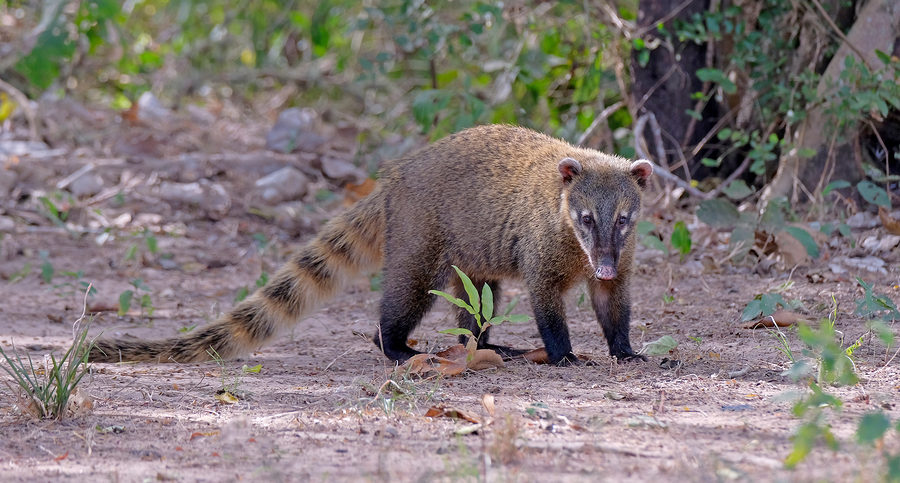
White-Nosed Coati Raccoon

The White-Nosed Coati species typically reside in moist, dense forests and wooded areas. Due to this preference of habitat, White-Nosed Coatis are primarily found in Arizona and New Mexico when in the Americas.  They have relative species in Costa Rica, Columbia, Mexico, and Cozumel as well. They are smaller in size to the common raccoon by as much as 10 pounds. Their faces are marked with white fur on their nose at the tip of a very long snout. Their fur is less dense and shorter than a common North American raccoon, but share the same diet habits as they are also omnivores. They eat eggs, small vertebrates, insects, fruit, and more.

Louisville Raccoon Removal and Control 502-553-7622
The Crab-Eating Raccoon (Procyon Cancrivorus)

The Crab Eating Raccoon

There is a raccoon known in the central and south Americas called the Crab Eating Raccoon. It is called the Procyon Cancrivorus and it lives in marshes and jungles all throughout the region. They are recognized by their salt and pepper looking coats, a brown and grayish mix. They usually eat aquatic insects, crabs, crawfish, and small fish, hence the name Crab Eating Raccoon.

Ring-Tailed Raccoon

The Ring-Tailed Raccoon is more often called the Ring-Tailed Cat, even though it is not part of the feline family at all. This species of raccoon slightly resembles the common raccoon, but much smaller, weighing on average between 1 to 4 pounds. Ring Tails have long bushy tails that are longer than their own bodies and have black and white stripes. Their fur is short just like a cat. Also called ringtail cats, marv cats, and miners cats, Ring-Tailed Raccoons are commonly found living in Colorado, California, Kansas, Nevada, Oregon, and even New Mexico with their cousin the Coati. They are omnivores just like the other raccoon species we’ve mentioned, however they are also one of the most carnivorous species of raccoon in the world. They eat small birds, frogs, snakes, rats, mice, and even rabbits!

Louisville Raccoon Control Services

Call 502-553-7622 if you are experiencing raccoon problems in Louisville, Kentucky. We offer residential and commercial raccoon removal and control, as well as, raccoon-proofing and prevention, minor restorations for raccoon damages, raccoon cleanup, and much more. We may even be able to perform homeowners’ insurance claim work. Request a free estimate or advice, anytime. Request a free estimate, anytime.

Louisville Raccoon Removal and Control