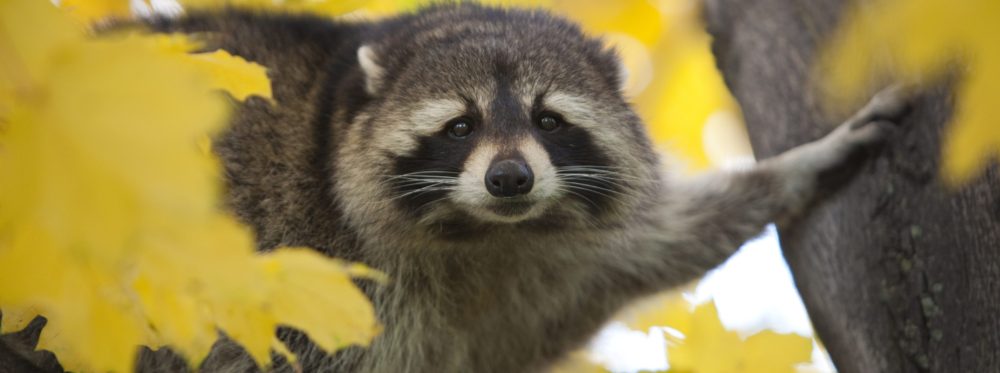
TL;DR: Raccoons create distinctive sounds in homes, including heavy thumping, scratching, chittering, and growling—especially at night. Recognizing these noises early can help you address infestations before they cause serious property damage or health risks.
Key Takeaways:
- Heavy thumping and scratching in attics or walls at night typically indicate raccoons, not smaller pests
- Vocal sounds include over 200 different calls, from chittering and growling to mewing from baby raccoons
- Nocturnal activity is the norm—raccoons are most active shortly after sundown and before sunrise
- Health risks are serious, including raccoon roundworm (Baylisascaris) and rabies exposure
- Professional removal is essential for safe, humane raccoon control in Louisville, KY
Table of Contents:
- Common Raccoon Noises: From Scratching to Vocalizations
- Nighttime Activity: Why Timing Matters for Identification
- Difference Between Raccoons and Other Household Pests
- Risks of Raccoon Infestations in Louisville Homes
- FAQ: Frequently Asked Questions about Raccoon Behavior
- Quick Recap: Bulleted Summary of Signs
- Louisville Raccoon Removal
Common Raccoon Noises: From Scratching to Vocalizations
Raccoons create two main categories of sounds: movement noises and vocalizations. Both can alert you to their presence in your home.
Movement and Activity Sounds
The most common sounds raccoons make are related to their physical activity. Heavy thumping is the hallmark sign of raccoons in your attic or walls. Unlike smaller rodents, raccoons can weigh up to 20 pounds, and their footsteps are unmistakable. You’ll hear loud thumps as they move across ceilings, especially if they jump from one spot to another.
Scratching and rustling are also telltale signs. Raccoons scratch as they navigate through insulation, tear into vents, or dig to create dens. The sound of an animal scurrying across your attic—combined with weight—often points to a raccoon rather than a squirrel or mouse.
Vocal Sounds
Raccoons are extremely vocal creatures, capable of making over 200 different sounds. These include:
- Chittering: A high-pitched, bird-like call used for communication
- Growling: A low, threatening sound when raccoons feel cornered or alarmed
- Hissing and snarling: Signs of aggression or fear
- Purring: A rhythmic churring sound when raccoons feel safe, often heard between mothers and their young
- Mewing and crying: Baby raccoons (kits) make soft, kitten-like noises when they’re young, which evolve into louder thumping and snarling as they grow and begin to wrestle
If you hear soft mewing in your attic during spring or early summer, a raccoon has likely established a den to raise her young.
Nighttime Activity: Why Timing Matters for Identification
When you hear noises is just as important as what you hear. Raccoons are nocturnal animals. They leave their dens shortly after sundown to forage for food and return before sunrise. If you hear heavy thumping, scratching, or vocal sounds during these hours—particularly late at night—raccoons are the likely culprits.
Female raccoons nursing young may also venture out during the day for additional foraging. However, daytime sightings are less common and may indicate a heavily populated den or a health issue such as rabies.
In contrast, squirrels are active during the day (diurnal), and mice tend to be active late at night but respond to your household activity patterns. Understanding these schedules can help you narrow down which pest is causing the disturbance.
Difference Between Raccoons and Other Household Pests
Not all attic noises are created equal. Here’s how to distinguish raccoons from other common invaders:
Raccoons vs. Squirrels
Squirrels are much lighter and faster than raccoons. You’ll hear quick, skittering footsteps rather than heavy thuds. Squirrels also make grinding noises as they chew on woodwork, but they’re active during the day. If you hear loud thumping at night, it’s almost certainly not a squirrel.
Raccoons vs. Mice or Rats
Mice and rats create softer, faster scratching sounds. They’re also much lighter, so their footsteps won’t produce the heavy thumps associated with raccoons. Rodents are nocturnal but tend to become active later in the evening, often after household members have gone to bed.
Raccoons vs. Bats
Bats make soft, high-pitched cricket-like chirping sounds and a faint scratching noise as they crawl. Unlike raccoons, bats don’t thump or make heavy movement sounds. Bats are also more likely to be heard in walls than overhead in ceilings.
Raccoons vs. Opossums
Opossums can also create thumping noises, though they’re generally quieter than raccoons. However, opossums are less likely to invade attics and more commonly nest under decks or in crawl spaces.
The combination of heavy thumping, vocal sounds, and nocturnal timing strongly suggests raccoons rather than other pests.
Risks of Raccoon Infestations in Louisville Homes
Raccoon infestations aren’t just a nuisance—they pose serious health and safety risks.
Raccoon Roundworm (Baylisascaris)
One of the most dangerous threats from raccoons is Baylisascaris procyonis, a parasitic roundworm found in raccoon feces. According to the Centers for Disease Control and Prevention (CDC), Baylisascaris is thought to pose the greatest risk to people because raccoons often live in close proximity to human dwellings.
If roundworm eggs are accidentally ingested—particularly by young children—they can cause severe illness, including neurological damage, organ damage, blindness, and even death. The eggs take 2 to 4 weeks to become infectious after being passed in raccoon feces, but once they reach that stage, they’re highly dangerous.
Rabies
Raccoons are a frequent source of rabies, a deadly viral disease transmitted through bites or scratches. Due to these risks, the CDC advises against handling raccoons or their waste without proper protection.
Property Damage
Raccoons cause extensive structural damage. They tear through insulation, rip open vents, chew through wiring, and contaminate attics with feces and urine. Raccoon damage like this can cost thousands of dollars to repair and creates unsanitary conditions in your home.
Seasonal Concerns
In Louisville and across Kentucky, raccoon breeding season typically runs from late winter through summer. Female raccoons often seek out attics and chimneys to establish dens for their young during this time. If you hear noises between April and August, there’s a strong chance baby raccoons are present, making professional raccoon removal even more critical.
Frequently Asked Questions about Raccoon Behavior
How do I know if raccoons are in my attic?
You’ll hear heavy thumping, scratching, and vocal sounds like chittering or growling, especially at night. You may also notice torn insulation, damaged vents, or raccoon droppings in your attic.
Do raccoons make noise during the day?
Raccoons are primarily nocturnal, but nursing females may leave the den during the day to forage. If you hear noises during daylight hours, it could indicate a large litter or a sick animal.
What does a baby raccoon sound like?
Baby raccoons make soft, kitten-like mewing and crying sounds when they’re very young. As they grow, these noises evolve into louder thumping and snarling as the kits wrestle and play.
Are raccoons dangerous to humans?
Yes. Raccoons can carry rabies and raccoon roundworm (Baylisascaris), both of which pose serious health risks. They may also become aggressive if cornered or if protecting their young.
Can I remove raccoons myself?
It’s not recommended. Raccoons can be aggressive, and handling them or their waste without proper protection exposes you to disease. Professional wildlife removal services ensure safe, humane removal and proper cleanup.
How can I prevent raccoons from entering my home?
Secure trash cans with tight-fitting lids, remove outdoor pet food, trim tree branches away from your roof, and seal potential entry points like vents, chimneys, and gaps in soffits. Installing chimney caps and screening attic vents can also help.
Quick Recap:
- Heavy thumping and scratching in attics or walls, especially at night
- Vocal sounds including chittering, growling, hissing, and mewing from baby raccoons
- Nocturnal activity—most noise occurs shortly after sundown and before sunrise
- Larger, heavier sounds compared to squirrels, mice, or bats
- Visible damage to vents, insulation, or roofing materials
- Droppings that are dark, tubular, and have a pungent odor
- Seasonal patterns—increased activity during spring and summer when females raise young
Final Thoughts
Hearing raccoon noises in your home is more than an annoyance—it’s a warning sign of potential health risks and structural damage. From the distinctive heavy thumping to the vocal chittering and mewing of baby raccoons, these sounds indicate an infestation that requires immediate attention.
Understanding the difference between raccoon noises and those made by other pests can help you identify the problem quickly. However, raccoons pose serious risks, including raccoon roundworm and rabies, making DIY removal both dangerous and ineffective.
If you’re experiencing raccoon activity in your Louisville, KY home, contact our licensed wildlife removal company. We can safely remove the animals, clean contaminated areas, and seal entry points to prevent future infestations. Don’t wait until the damage—or the health risks—escalate. Schedule a free estimate today to protect your home and family.
Related Post: Hearing Thumps in the Attic? A Guide to Winter Raccoon Control