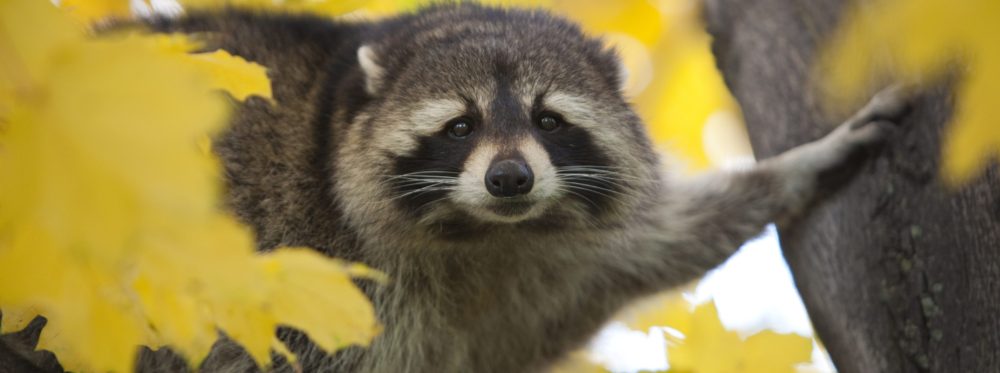
Seeing a raccoon near your home can be an exciting glimpse of wildlife, but a wild animal acting strangely can quickly cause concern. Raccoons are highly adaptable creatures that thrive in urban environments. This adaptability brings them into close contact with humans and pets, raising significant public health concerns.
One of the most serious risks associated with these animals is the rabies virus. Rabies is a fatal viral disease that affects the central nervous system of mammals. While it is entirely preventable, understanding how the virus works and how to identify an infected animal is crucial for maintaining your family’s safety.
This guide will walk you through the science of rabies transmission, the symptoms to look for, and the best practices for keeping raccoons away from your property.
Understanding the Rabies Virus
Rabies attacks the brain and spinal cord. Once clinical symptoms appear, the disease is almost universally fatal. The virus relies on a host to survive and spread, typically relying on the saliva of an infected animal. Because the disease alters the animal’s brain chemistry, it often causes behavioral changes that make the animal more likely to bite or scratch others, ensuring the virus finds a new host.
Why Raccoons Are Prime Vectors
Wild animals account for more than 90% of reported rabies cases in the United States. According to the Centers for Disease Control and Prevention (CDC), raccoons make up nearly 29% of these wildlife cases. Their highly social nature and ability to adapt to city living make them prime vectors. Raccoons frequently interact with other wildlife, household pets, and human waste, creating numerous opportunities for the virus to spread across different populations.
The Science Behind Rabies Transmission
Protecting your household starts with understanding exactly how this virus moves from one animal to another. Rabies does not spread through the air or casual contact, meaning you need specific types of exposure to be at risk.
How Rabies Spreads
The rabies virus is primarily transmitted through the bite of an infected animal. Saliva containing the virus enters the body through the broken skin. It is also possible, though less common, to contract the virus if infected saliva gets directly into an open wound or mucous membranes like the eyes, nose, or mouth. You cannot get rabies from simply seeing a raccoon, and the virus dies quickly once outside the animal’s body.
Symptoms of Rabies in Raccoons
Identifying a rabid raccoon requires observing its behavior, as the virus presents itself in two distinct ways:
- Furious Rabies: This is the form most people expect. The raccoon may show unprovoked aggression, excessive drooling, and extreme restlessness.
- Dumb Rabies: This form is actually quite common. A raccoon with dumb rabies will exhibit unusual friendliness or a complete lack of fear toward humans. They may stumble, fall, appear disoriented, or seem weak in their hind legs.
Any raccoon wandering openly during the day and acting confused or uncoordinated should be treated with extreme caution.
The Rabies Incubation Period
The time between the initial exposure and the onset of symptoms is called the incubation period. For raccoons, this period typically lasts for weeks to months, with research suggesting an average incubation mode of about five weeks. During this time, the raccoon will not show any symptoms and cannot transmit the virus. The animal only becomes infectious a few days before clinical signs appear.
Public Health Concerns and Risks
Rabies poses a severe threat to public health. Because urban raccoons often nest in attics, crawlspaces, or under decks, the proximity to human habitation drastically increases the chances of a dangerous encounter.
Human Exposure and Prevention
If a raccoon bites or scratches you, wash the wound immediately with soap and water for at least 15 minutes. This simple action can significantly reduce the viral load. Afterward, seek medical attention right away. Doctors can administer post-exposure prophylaxis (PEP), a series of highly effective vaccines that stop the virus before symptoms begin.
Pet Safety and Vaccination
Your dogs and cats are usually the first line of defense—and the most at risk—when raccoons enter your yard. Keeping your pets up to date on their rabies vaccinations is the single most effective way to protect them. Furthermore, avoid leaving pet food outside, as this is a major attractant for hungry raccoons.
When to Contact Animal Control
Never attempt to trap or handle a sick raccoon yourself. If you observe a raccoon exhibiting signs of furious or dumb rabies, go inside, bring your pets with you, and contact your local animal control or health department immediately. Professionals have the training and equipment to safely remove the animal.
Rabies Control and Prevention Strategies
Managing the spread of rabies requires a combination of broad public health initiatives and responsible homeownership.
Vaccination Programs
Public health organizations often use oral rabies vaccine (ORV) baits to control the disease in wild populations. These small, fish-scented packets contain a vaccine dose. When raccoons eat the bait, they become immunized, creating a barrier of immune animals that slows the spread of the virus across regions.
Wildlife Management and Exclusion
The most permanent way to prevent rabies exposure on your property is to remove the attractants and secure your home. Raccoon exclusion involves identifying and sealing potential entry points, such as loose soffits, uncapped chimneys, and damaged roof vents. Using heavy-duty materials prevents raccoons from tearing their way inside.
Community Awareness and Education
Educating your community about the risks of feeding wildlife is essential. When neighbors intentionally or unintentionally feed raccoons, population densities spike. Overcrowded raccoon populations experience higher stress and easier disease transmission, making local rabies outbreaks more likely.
FAQ: Your Questions Answered About Raccoon Rabies
Can a raccoon have rabies without showing symptoms?
Yes. During the incubation period, a raccoon can carry the virus without showing any signs of illness. However, they are generally not infectious to others until shortly before symptoms appear.
Is it normal to see a raccoon during the day?
While raccoons are primarily nocturnal, seeing one during the day does not automatically mean it has rabies. They may be foraging for extra food, especially a mother nursing her young. You should only be concerned if the raccoon appears sick, aggressive, or unusually tame.
What should I do if I find a dead raccoon in my yard?
Do not touch the carcass with bare hands. The virus can survive briefly in the saliva of a recently deceased animal. Use a shovel or heavy gloves to place the animal in a double garbage bag, or contact local sanitation or animal control for disposal guidelines.
Keeping Your Home Safe and Raccoon-Free
Understanding how rabies operates gives you the tools you need to protect your family and pets. By staying vigilant, keeping your pets vaccinated, and knowing what symptoms to look out for, you can safely coexist with local wildlife from a distance.
If raccoons have already made themselves comfortable on your property, it is time to call in the professionals. Contact us today to get a free quote for licensed raccoon exclusion services in Louisville, Kentucky. We can seal your home and ensure these masked visitors stay outside where they belong.
Related Post: Raccoons Can Spread These 3 Zoonotic Diseases