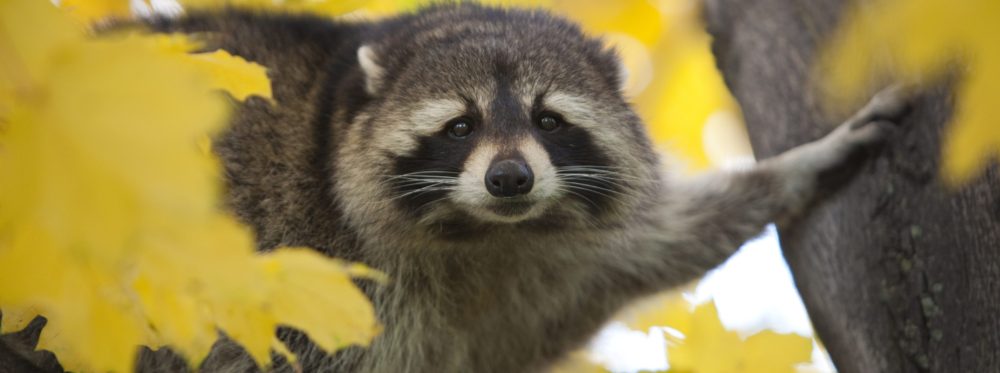
Raccoon Repellent: Options and Application Tips

Raccoons, with their masked faces and clever paws, might seem charming from a distance. But when they decide to make your property their home, they can become a significant problem. These nuisance raccoons can cause extensive damage and even carry diseases, making effective raccoon control essential for homeowners and property managers.

This guide provides a comprehensive overview of how to get rid of raccoons using various repellents. We’ll explore both store-bought and homemade options, preventative measures, and when to call for professional wildlife control. Understanding your options is the first step toward protecting your property and ensuring peace of mind.
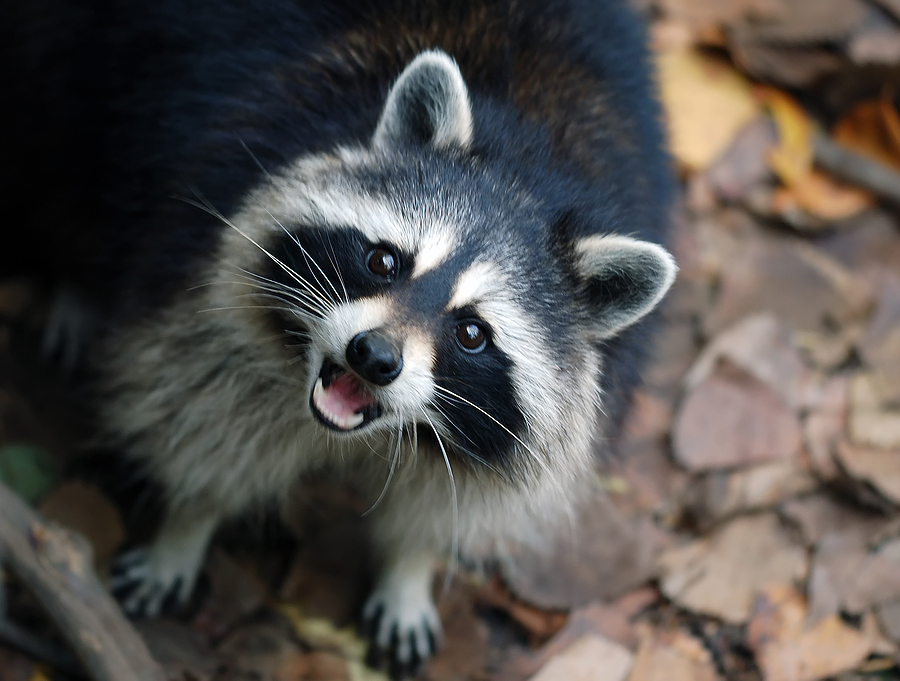
Call 502-553-7622 for Expert Louisville Raccoon Repellent Service

Understanding Nuisance Raccoon Behavior

Before you can effectively repel raccoons, it’s helpful to understand what attracts them to your property in the first place. Raccoons are intelligent, opportunistic omnivores constantly searching for three things: food, water, and shelter.

  • Food Sources: Open trash cans, pet food left outdoors, bird feeders, and fallen fruit from trees are all easy meals for a raccoon.
  • Water Sources: Ponds, birdbaths, and even pet water bowls can draw raccoons to your yard.
  • Shelter: Raccoons seek safe, dark, and quiet places to build their dens. Attics, chimneys, crawl spaces, and sheds are common targets. Having raccoons in the attic is a frequent and particularly destructive problem.

By identifying and limiting these attractants, you can make your property less inviting to these unwelcome guests.

Store-Bought Raccoon Repellents

Commercial animal repellents offer a convenient and often effective solution for raccoon control. These products are readily available and come in various forms, including sprays, granules, and electronic devices.

Sprays and Granules

Repellent sprays and granules work by using scents and tastes that raccoons find unpleasant. They are typically applied around the perimeter of your property, gardens, or near potential entry points.

  • Critter Ridder: This popular product uses a combination of natural ingredients, including piperine (from black pepper), capsaicin (from chili peppers), and other oils. It creates a powerful scent and taste barrier that deters raccoons and other animals.
  • I Must Garden: This brand offers repellents that are often plant-based and safe for use in gardens. They use a blend of botanical oils like mint and garlic to create a scent that raccoons dislike, protecting your plants without harming them.
  • Nature’s Mace: Known for its potent formula, Nature’s Mace uses a higher concentration of active ingredients than many competitors. It works by targeting a raccoon’s sensitive sense of smell, making an area uninhabitable for them.

Electronic Repellents

Electronic devices offer a different approach to raccoon abatement. Instead of using scents, they use light, sound, or water to scare raccoons away.

  • Motion-Activated Sprinklers: These devices connect to your garden hose and spray a sudden burst of water when they detect movement. The unexpected spray is highly effective at frightening away nocturnal animals like raccoons.
  • Ultrasonic Repellers: These units emit high-frequency sound waves that are inaudible to humans but irritating to raccoons and other wildlife.
  • Motion-Activated Lights: A sudden flash of bright light can startle a raccoon, causing it to flee. Installing these lights near trash cans or garden areas can be a simple yet effective deterrent.

Request a Free Raccoon Control Assessment

Homemade Raccoon Repellents

For those who prefer a DIY approach, several effective homemade raccoon repellent recipes can be made with common household ingredients. These solutions are cost-effective and can be a good first line of defense.

Cayenne Pepper Spray

Cayenne pepper contains capsaicin, a natural irritant to raccoons.

  • Recipe: Mix 1/4 cup of cayenne pepper powder with one quart of water and a few drops of dish soap (to help it stick).
  • Application: Spray the mixture around your garden, on trash can lids, and near any potential entry points. Reapply after rain.

Garlic and Onion Solution

The strong smell of garlic and onion is another powerful deterrent.

  • Recipe: Roughly chop one onion and one garlic bulb. Boil them in a quart of water for 30 minutes. Strain the liquid.
  • Application: Once cooled, spray the solution around your property. This scent can effectively keep raccoons at bay.

Peppermint Oil Mixture

Raccoons dislike the strong, minty scent of peppermint oil.

  • Recipe: Combine 20 drops of pure peppermint oil with one cup of water in a spray bottle.
  • Application: Spray this mixture in areas where you’ve seen raccoon activity, such as around decks, sheds, or in your attic.

Vinegar Solution

The acidic smell of vinegar is unpleasant for raccoons.

  • Recipe: Simply use pure white vinegar.
  • Application: Soak rags in vinegar and place them in and around areas raccoons frequent, like under decks or at the base of trees. You can also place open containers of vinegar in your attic or crawl space.

Remember to rotate these methods. Raccoons are smart and can become accustomed to a single scent over time. Combining different repellents often yields the best results.

Preventative Measures for Raccoon Control

Repellents are most effective when combined with preventative measures that make your property less attractive to raccoons.

  • Secure Trash Cans: Always use trash cans with tight-fitting, lockable lids. Bungee cords or straps can provide extra security.
  • Seal Entry Points: Regularly inspect your home’s exterior for holes or gaps. Seal any openings in your foundation, siding, or roof with sturdy materials like steel mesh.
  • Remove Food Sources: Bring pet food inside at night, clean up spills under bird feeders, and promptly harvest fruit from your garden.
  • Trim Trees and Shrubs: Prune any tree branches that are close to your roofline to prevent raccoons from using them as a bridge to your attic.
  • Maintain Your Yard: A clean, clutter-free yard offers fewer hiding spots for raccoons. Remove woodpiles and overgrown vegetation.

When Repellents Aren’t Enough to Get Rid of Raccoons

Sometimes, despite your best efforts, a raccoon may have already established a den on your property. If you have raccoons in the attic or elsewhere inside your home, repellents may not be enough to drive them out, especially if there are young. In these cases, humane raccoon removal is the safest and most effective option.

Why Choose Professional Wildlife Control?

Hiring a professional for raccoon removal has several benefits:

  • Expertise: Professionals can quickly identify all entry points and signs of infestation.
  • Humane Methods: They use safe and humane techniques to remove raccoons, complying with local wildlife regulations.
  • Safety: Professionals are equipped to handle raccoons safely, minimizing the risk of bites, scratches, and disease transmission.
  • Damage Repair: Many services also offer to repair damage caused by raccoons and seal entry points to prevent future issues.
  • Long-Term Solutions: A professional can provide a comprehensive, long-term solution to your raccoon problem.

Secure Your Property Today

Dealing with nuisance raccoons requires a consistent and multi-faceted approach. By understanding their behavior, using effective repellents, and implementing preventative measures, you can successfully protect your home and garden. Whether you choose store-bought products, homemade solutions, or a combination of both, the key is to make your property as unwelcoming as possible.

If you’re facing a persistent raccoon problem or have an infestation inside your home, don’t hesitate to seek professional help. A qualified wildlife control expert can provide a safe, humane, and lasting solution.

Ready to reclaim your property from raccoons? Contact us today for professional raccoon removal services and enjoy a pest-free home.

Call Now to Book Service

Related Post: Humane Raccoon Deterrents: Safe & Effective Ways to Protect Your Home

Humane Raccoon Deterrents: Safe & Effective Ways to Protect Your Home

Raccoons, while often seen as cute and curious creatures, can quickly become a nuisance when they invade residential properties. They are known for causing property damage, spreading diseases, and creating general chaos. This guide explores various safe and effective methods to deter raccoons, protect your property, and maintain a harmonious relationship with wildlife.

Understanding how to manage these intelligent animals is key to preventing them from becoming unwelcome guests. Fortunately, there are many humane raccoon control options that keep both your home and the local wildlife safe. From simple homemade animal repellents to more advanced technological solutions, this blog will walk you through the best strategies to get rid of raccoons for good.

Call 502-553-7622 for Professional Raccoon Control in Louisville

Understanding Raccoon Behavior

To effectively deter nuisance raccoons, it’s important to understand what attracts them to your property in the first place. Raccoons are intelligent, adaptable, and opportunistic omnivores. Their primary motivations are food, water, and shelter.

Residential areas often provide an ideal habitat for them. Common attractants include:

  • Accessible Food Sources: Unsecured trash cans, pet food left outdoors, bird feeders, and vegetable gardens are all easy meals for a raccoon.
  • Water: Birdbaths, ponds, and even pet water bowls can draw raccoons to your yard.
  • Shelter: Decks, sheds, attics, and chimneys offer warm, safe places for raccoons to build dens and raise their young.

By recognizing these attractants, you can take the first steps in making your property less inviting.

Scent-Based Raccoon Deterrents

One of the most effective and humane ways to deter raccoons is to appeal to their strong sense of smell. Certain scents are unpleasant to them and can encourage them to find another place to forage.

  • Peppermint Oil: The strong, minty aroma of peppermint essential oil is a powerful raccoon repellent. Mix a few drops with water in a spray bottle and apply it to areas where you’ve seen raccoon activity, like around trash cans or garden borders.
  • Garlic: The pungent smell of garlic can also keep raccoons at bay. A simple garlic spray made from minced garlic and water is an excellent option.
  • Eucalyptus Oil: Similar to peppermint, eucalyptus oil has a potent scent that raccoons dislike. Use it in the same way, spraying it around potential entry points.
  • Commercial Repellents: Products like Critter Ridder are formulated with a blend of natural ingredients, including capsaicin from chili peppers, that irritate a raccoon’s senses without causing harm.

Remember that scent-based deterrents need to be reapplied regularly, especially after rain, to remain effective.

Physical Barriers for Raccoon Control

Sometimes, the best defense is a good offense. Creating physical barriers can be one of the most reliable ways to prevent raccoons from accessing your property.

  • Secure Trash Cans: Ensure your trash cans have tight-fitting, lockable lids. Bungee cords can also be used to secure lids that raccoons might otherwise be able to pry open.
  • Fencing: A sturdy fence can be an effective barrier. Raccoons are skilled climbers, so consider adding a wire mesh extension at a 45-degree angle at the top of the fence to prevent them from climbing over.
  • Netting and Mesh: Protect your garden with netting draped over your plants. Use hardware cloth or wire mesh to seal off any openings under decks, porches, or sheds where raccoons might try to build a den.
  • Chimney Caps: Installing a chimney cap is essential to prevent raccoons from nesting in your chimney, which can be a serious fire hazard.

Motion-Activated Devices

Raccoons are nocturnal and easily startled by sudden light or noise. Motion-activated devices use this to your advantage, scaring them away without causing any physical harm.

  • Motion-Activated Sprinklers: Devices like the Orbit Yard Enforcer detect movement and spray a sudden burst of water. This is highly effective at startling raccoons and teaching them to avoid your yard.
  • Motion-Activated Lights: Installing bright, motion-activated floodlights can also be a powerful deterrent. The sudden illumination is often enough to send a curious raccoon running.
  • Solar-Powered Predator Lights: Products like Nite Guard Solar mimic the eyes of a predator. These small, solar-powered devices emit flashing red lights that raccoons perceive as a threat, encouraging them to stay away.

Contact Us for Safe Raccoon Control

Habitat Modification: Making Your Yard Less Appealing

Beyond specific deterrents, making strategic changes to your property can significantly reduce its appeal to raccoons.

  • Remove Food Sources: This is the most critical step. Bring pet food and water bowls inside at night, secure compost bins, and clean up fallen fruit from trees. If you have bird feeders, use raccoon-proof models or bring them in after dark.
  • Eliminate Shelter: Trim overgrown bushes and trees that could provide cover. Seal any potential entry points to your attic, crawl space, or shed. Keep your yard tidy and free of debris that could serve as a hiding spot.
  • Plant Raccoon-Repellent Plants: Some plants have strong smells that naturally deter raccoons. Consider planting peppermint, lavender, marigolds, or cucumbers around your garden as a natural barrier.

DIY Raccoon Deterrent Recipes

For a cost-effective approach, you can create your own homemade animal repellents using common household ingredients.

  • Spicy Cayenne Pepper Mix: Sprinkle cayenne pepper or chili powder around your plants and garden beds. The spicy scent and taste are highly irritating to raccoons.
  • Epsom Salt Barrier: Raccoons dislike the taste of Epsom salt. Sprinkle it around your garden to create a protective barrier.
  • Ammonia-Soaked Rags: The smell of ammonia mimics the urine of a predator. Soak rags in ammonia and place them in areas where raccoons frequent, like near trash cans. Caution: Ammonia can be harmful to other animals and plants, so use this method with care.
  • Vinegar Solution: Soak cloths in apple cider vinegar and place them near common raccoon paths. The strong odor is an effective repellent.

When to Call a Professional Raccoon Removal Service

While DIY and humane deterrents are often effective, there are situations where a professional raccoon removal service is necessary. Consider calling an expert if:

  • You have a severe or persistent raccoon infestation.
  • A raccoon has become trapped in your home, such as in the attic or chimney.
  • You suspect a raccoon on your property is sick or injured. Raccoons can carry diseases like rabies, so it’s crucial not to approach them.
  • You have tried multiple deterrents without success.

A professional raccoon removal service has the expertise and equipment to safely and humanely remove the animals and help you implement long-term prevention strategies.

Frequently Asked Questions

Are these deterrents safe for pets and children?

Most of the deterrents mentioned, such as peppermint oil, garlic spray, and motion-activated sprinklers, are safe for pets and children. However, always exercise caution with products like cayenne pepper and ammonia, ensuring they are placed out of reach.

How often do I need to reapply scent-based deterrents?

Scent-based repellents should be reapplied every few days, and always after it rains, to maintain their effectiveness.

Will these methods work for a severe raccoon infestation?

For a severe infestation, a combination of methods is usually most effective. However, if the problem persists, it’s best to contact a professional raccoon removal service.

What are the signs of a raccoon infestation?

Common signs include tipped-over trash cans, raided gardens, tracks in your yard, droppings (latrines), and noises like scratching or chittering coming from your attic or walls.

In Summary

Dealing with a raccoon infestation can feel overwhelming, but understanding the signs and implementing effective removal methods can help you regain control of your home and yard. By staying vigilant and taking proactive steps, such as securing food sources, sealing entry points, and using humane deterrents, you can reduce the likelihood of a recurring problem.

However, for severe infestations or if you’re unsure how to proceed, reaching out to a professional raccoon removal service is always the safest and most effective choice. Protecting your home and family while respecting local wildlife ensures a balanced approach to resolving these challenges.

If you’re struggling with a raccoon problem and need assistance, don’t hesitate to reach out. Raccoon Removal Louisville is here to provide safe, effective, and humane raccoon control solutions tailored to your needs.

Request a Free Estimate Now

Related Post: Why Are Raccoons Attracted to My Property?