Will a Wild Raccoon Attack?

Although becoming more popular to domesticate these days, raccoons are wild animals by nature. No matter how friendly-looking or tame a wild animal appears, you can never be too sure if it will turn on you and attack. Many residential homeowners spot raccoons on their properties, in search of food and shelter. This can make a person very uneasy and ask the question, “Will a raccoon attack?” It is understandable for people to be worried once they see raccoons or other wild animals frequenting their property night after night. Families with young children and pets are especially timid on the topic of wild animal attacks. So what do you do if you see a raccoon on your property? Will it attack and harm you? Continue reading to find out!

Reasons a Raccoon Might Attack

There are several reasons explaining why raccoons attack people and pets. It is not unlikely for a raccoon to become aggressive and lunge at other animals and humans. Because raccoons are known carriers of various illnesses and diseases, no one ever wants to be bitten or scratched by one. Some of the most common reasons a raccoon will attack or become aggressive include mother raccoons nursing her young. If a dog happens to find a female raccoon with a little of pups, she may act defensively in order to protect her brood. Many dog injuries caused by raccoons happen this way.

Provoking or teasing a raccoon is another common reasons why these animals attack people and pets. Another nosy dog, a petty stray cat, or a group of children can easily provoke a raccoon into self-defense mode; which can lead to an attack or injury. It is important to steer clear when you see a wild raccoon. It is highly advised to simply keep your distance while making smooth slow movements towards indoors. Never try to catch or trap raccoons; this is typically illegal in most states anyway. Also, never try to touch or pet a raccoon. No matter how cute and cuddly a group of a baby raccoons look, never try to take them in or hold them. Most often, the mother coon is right around the corner!

If you are experiencing problems with raccoons on your property, contact a professional wildlife removal company for assistance you can trust. Be sure they are licensed and experienced in raccoon removal and control. Consider implementing some raccoon-proofing strategies with them as well to prevent raccoons and other wildlife from trespassing on your property again.

Raccoon Removal Services – Louisville, KY

Call Raccoon Removal Louisville at 502-553-7622 for superior raccoon control services in Kentucky. We are highly trained and DNR licensed raccoon removal specialists with decades of experience in the animal control industry. We only use safe and humane methods of raccoon extraction, and provide a wide range of commercial and residential services for raccoon control and prevention. Contact us today at 502-553-7622 and receive a free estimate for raccoon removal in Louisville, KY and its surrounding counties.

Do Not Make a Wild Raccoon Pup Your Pet

There are so many reasons why wild raccoons do not make good pets for adults and children alike. A wild animal is a wild animal cannot be domesticated easily. Only trained wildlife professionals and rescue enthusiasts like zookeepers, are the only people that should ever domesticate wild raccoon or any other animal. There are some reasons why raccoons are not good pets even though many people have turned raccoon pets into a trend. This is unfair for wild raccoons because they are meant to be free and in the wild. If you happen to run across the wild raccoon pup, a baby raccoon, you should never touch it or come close to it. There are several reasons for this as well.

Raccoons, or any other wild, can be carriers of dangerous contagious diseases. Rabies is always the first disease that people think about when it comes to wild animal diseases. This is accurate because rabies is a very common disease found in raccoons and other wild animals. On top of rabies, there are other infectious diseases, such as:

• Canine Distemper
• Leptospirosis
• Parvo
• Canine Hepatitis
• And Other Viral in Bacterial Diseases

It doesn’t stop here. There are other reasons why you should never touch or take in a stranded baby raccoon. First of all, the baby raccoon may seem like it is stranded; however, the mother raccoon may be in search of it. Also, there may be a reason my baby raccoon is all by itself. This means it may have been left behind purposely because it’s sick or dying.

Another reason why pet raccoons are problematic is the lack of domestication over the past 20 centuries. Dogs and cats have been domesticated for thousands of years which is why they make great pets. It is ingrained in their natural instincts to be trained to obey and assist their masters. While raccoons on the other hand, will never cease their natural instincts to do what wild animals do. This means they are likely to tear apart pillows and couch cushions to nest and, as well as, use your property as toilet. All of this behavior is likely to be out of your control as well. Raccoon domestication is not recommended by wildlife rescue professionals, as well as, wildlife control specialist. If you ever find a stranded raccoon, the baby or not, contact a professional raccoon removal service immediately. They retain the proper equipment, training, knowledge, and tools to safely inhumanely remove the raccoon and relocated to a safer habitat.

Call Raccoon Removal Louisville at 502-553-7622 for more information about raccoon control services in Kentucky. We are highly trained and DNR licensed to facilitate several raccoon control services; such as raccoon removal, prevention, animal proofing, raccoon cleanup, property inspections, and much more. Contact Raccoon Removal Louisville 502-553-7622 today if you have raccoons in the attic or on your property in Louisville, Kentucky and its surrounding counties.

How to Find a Reputable Pet Raccoon Breeder

Pets are a very important part of our lives. Dogs, cats, birds, bunnies, and more are common species of animal we domesticate for the sake of love and companionship. Although these standard household pets are loving and adorable, some families prefer something more exotic. For many, pet raccoons are a wonderful and delightful addition to their families. It is easy to domesticate a baby raccoon so long as you seek our proper guidance and veterinary services. Raccoons are smart, funny, and loving mammals capable of developing loving relationships with their owners. They can even be litter box trained and taught to obey commands.

If you have made the decision to adopt a baby raccoon, be sure to find a reputable and trustworthy breeder. It is important to look for several qualifications and credentials when researching different pet raccoon breeders. Continue reading for tips and advice on how to find a reputable pet raccoon breeding service in your city or state.

Local Raccoon Breeders

Before making the decision to adopt a baby pet raccoon, have you checked to make sure your state allows it? If it does, hooray! If it does not, then think twice about breaking this law. As a warning, there are typically harsh fines and penalties for people who domesticate illegal exotic animals. When it comes to finding a breeder to adopt a pet raccoon from, it is a good idea to look in the same state you live in, or an adjoining state that also allows the breeding, sales, and domestication of pet raccoons. If you find a breeder selling baby raccoons in a state where raccoon domestication is illegal, then the breeder is not a trustworthy source.

Look for true professionals with a sincere passion and extensive experience in the world of raccoons and wildlife. They will have the best advice, referrals, and selection of pups you can find. Once you find a breeder, be sure you are well-informed on how to care for a baby raccoon, as well as, well-prepared to care for an adult raccoon after it grows up. These are all things to consider and discuss with your local raccoon breeder. Here are some more things to look for in a reputable raccoon breeder once you’ve decided to adopt a pet raccoon:

• Experience
• Licensing
• Certifications
• Passion for Wildlife
• Well-Maintained Premises
• Healthy Raccoon Pups
• Good Reviews
• Proper Permits
• Proof of Documentation
• Knowledge of Raccoons
• Clean Bill of Health for Pups
• Additional Services for Raccoons

Be sure your local raccoon breeder is making the right moves as a legit breeder. They should be able to show proof of licensing, and should be practicing their services in an accommodating state or county. Feel free to interview several different breeders and compare your options. Don’t take raccoon adoption lightly; it is a delicate search process that deserves comprehensive research and requires patience and moral behavior. Take your time to find the perfect addition to your furry family.

Although pet raccoons are adorable and entertaining, wild raccoons are not. If you are experiencing a Louisville Kentucky raccoon problem on or within your property, be sure to act fast. Call Raccoon Removal Louisville at 502-553-7622 for free information or emergency raccoon control services and more. We are highly trained and DNR licensed raccoon control specialists with decades of experience removing raccoons safely and humanely. Visit our website at https://www.raccoonremovallouisvilleky.com for details about our services and company background. We never harm or kill raccoons, and only use safe and effective procedures to extract them and prevent their return. On top of raccoon removal, we also provide a wide range of additional services; such as attic restorations, raccoon cleanup, inspections, raccoon prevention, consultations, commercial work, emergency services, free estimates, discounts, and more. Call 502-553-7622 and talk to a licensed raccoon control technician about getting rid of raccoons in Louisville, Kentucky once and for all.

Protect Your Property from Raccoons

Wild raccoons can pose a threat to humans and pets if paths are crossed at the wrong times. This is because raccoons, along with other wild animals, can carry infectious diseases. These diseases and infections can be quickly passed along through a possible bite, scratch, or attack. A raccoon will attack out of self-defense or to protect it’s young. Even if raccoon bites and confrontation are avoided, there are other ways raccoons can be dangerous for us and our pets.

Raccoon urine and droppings can also carry infections and bacteria that are harmful if accidentally or unknowingly ingested. Dogs and cats are known to track traces of raccoon droppings into the house where it can come in contact with everyone and spread quickly among the family. Illnesses such as roundworm, Rabies, Leptospirosis, and more are commonly spread by raccoons. So how can you protect your home from wild raccoons and avoid potential dangers? Continue reading and learn some simple and full-proof methods to protecting your home from raccoons and other wild animals.

Raccoon Prevention

There are several quick tips on how to stop raccoons from entering your property. Things like everyday chores, pet care routines, and simple handy work can all be a good place to start making changes. For example, one way to keep raccoons away from your property is to thwart their desire to come in the first place. This means stop doing things that make raccoons interesting in visiting your house. Don’t leave garbage cans outside and easily accessible to raccoons. They are scavengers at heart and can smell food scraps from miles away. If you are in the habit of taking your garbage out the night before trash day, it is good idea to stop. Raccoons will come and they will remember your home as a dependable source of food; so they will return night after night seeking more opportunities you are giving away. Leaving pet food dishes outdoors is like feeding raccoons directly, night after night. Raccoons love the taste of pet food and will come back every night for it. It is always recommended to leave pet food inside in a secure place.

Another factor that attracts raccoons to residential areas is shelter availability. Loose shingles in the roof, cracks in the attic window seals, and unlocked sheds or garages become a raccoon colonies dream come true in poor weather. They will seek out warm shelter anywhere around their food sources. This means your house. To prevent raccoons from squeezing their way inside your home, take out the old tool belt and implement a little home maintenance. Secure locks, seal windows, fix any loose roof shingles, etcetera. This can help protect your home and keep raccoons away for good.

The best way to prevent raccoons from entering your property is to make sure they do not already have access inside. Call a professional raccoon control company to inspect your property for signs of raccoon infestations and damages. The sooner you find raccoon problems, the less expensive and extensive the damages and repairs will be. A professional can also facilitate proper raccoon-proofing strategies that will eliminate raccoon invasions altogether.

Raccoon Control in Louisville, Kentucky

If you are concerned about wild raccoons and have questions about raccoon control in Louisville, Kentucky, call 502-553-7622 today. We are DNR licensed and insured raccoon removal and control specialists with more than 30 years of experience in the wildlife control industry. We offer a wide range of services for raccoon control and removal; including raccoon cleanup, attic insulation repair, restorations for raccoon damages, raccoon prevention, inspections, repairs, removal, and more. We only use safe and humane methods to capture and release raccoons in a faraway habitat safe for them. We provide free estimates, DIY advice, consultations, discounts, and more. Visit our website at https://www.raccoonremovallouisvilleky.com/raccoon-control-louisville-ky.php for details about our services and company background. Call 502-553-7622 today for free information about raccoon control and raccoon prevention services in Louisville, KY and its surrounding counties.

If I See a Raccoon, What Should I Do?

Raccoons are interesting and intelligent mammals found in nature. Unfortunately, they are becoming more prevalent in residential and urban areas; making them quite the nuisance animal. This poses a problem for several reasons; such as property damages, garbage intrusions, invasion issues, raccoon scat and health problems, attacks, and much more. One of the main questions asked by residential property owners is, “what do I do if I see a wild raccoon?” The answer is different depending on the circumstance. Continue reading to learn what a person should do, or how they should react, if they see a wild raccoon up close.

Wild Raccoon Encounters

Raccoons are nocturnal animals, meaning they are active at night and typically rest during the day. If you see a raccoon during the daytime, it could be an indication that the raccoon is sick or infected. If you are out in the evening time, whether on a stroll through the park or hanging out on your patio at home, raccoons are a possible encounter. So what do you do if you are in a situation in which you are looking straight into the eyes of a wild raccoon? The answer is simple; nothing. Never take action against a wild animal, especially a raccoon, because they are intelligent and resilient mammals that will attack or fight back to protect themselves. Raccoons can carry diseases so if they bite or scratch someone, that person is vulnerable to rabies, leptospirosis, and various other infectious diseases.

If you see a wild raccoon, immediately avoid contact or engagement. Turn around and go the other way, or go inside your home. Never try to yell, scream, or scare raccoons. This will only make them feel threatened and force them into attack mode. Once you are in safe distance of a raccoon, call a licensed animal control company and report the encounter. This is especially important if you spotted a raccoon on public property or your own. They can provide various services that can protect the area or your home from raccoon invasion.

Louisville Raccoon Removal

For expert raccoon control services or advice, call Louisville Raccoon Removal in Kentucky today. You can reach a licensed and insured raccoon control specialists that has more than two decades of experience in the animal control and removal industry. We always use safe and humane methods to get rid of raccoons in residential and commercial areas. Visit our website at https://www.raccoonremovallouisvilleky.com for details about our services and company background. Call 502-553-7622 and speak with a licensed Louisville Raccoon Removal specialist about wild raccoon encounters and more in Kentucky.

Can I Pet a Wild Raccoon?

Sometimes, we see wild animals such as birds, raccoons, squirrels, skunks, rabbits, and more; but should we attempt to touch them or pet them if we get the urge? Although animals look cute and fluffy, they are not domesticated or accustomed to humans. This means they most likely view us a threat or danger; thus causing them to react and protect themselves by any means necessary if they feel intimidated. Wild animals are very unpredictable when it comes to self-defense behaviors; especially raccoons. So if you see a raccoon, it is best to not attempt to make any contact with it what-so-ever. There are various reasons for this, so continue reading and learn why raccoons should be left alone if you ever see one in the wild.

Raccoons are Known Carriers of the Rabies Virus

Not only are raccoons one of the leading carriers of rabies in the world, they can possibly transfer several other infections and diseases as well. Leptospirosis, roundworm, salmonella, ticks, fleas, and more are all potential contagions carried and contagious in wild raccoons. Upon contact, anyone can contract one of these ailments; especially from raccoon attacks.

Raccoons Will Attack if Intimidated

Raccoons are capable of scratching and biting a person or pet if they feel intimated or threatened. This is truer of mother raccoons defending their young. If they think their raccoon pups are in danger, they will certainly do what it takes to scare you away; even if this means lunging, biting, and scratching you in self-defense. Not only can this be painful, it can be an open door for disease and infection.

Raccoon Control in Louisville, Kentucky

If you are seeing wild raccoons regularly near your Louisville, Kentucky property, call 502-553-7622 today. We are DNR licensed and insured wildlife control specialists that specialize in raccoon removal services. Our teams of highly trained and experienced raccoon control technicians only use safe and humane methods to get rid of raccoons in Louisville. Visit our website at https://www.raccoonremovallouisvilleky.com/raccoon-control-louisville-ky.php for details about our services and company credentials. We offer free estimates, DIY advice, discounts, coupons, and more! Call us today at 502-553-7622 for reliable raccoon control services in Louisville, KY and its surrounding regions.

What Does a Raccoon Look Like?

Raccoons are fascinating mammals that populate various regions of the United States and the entire world! There are various species of raccoon that live in a wide variety of climates and habitats. When it comes to describing what a general raccoon looks like, first, you must decide which species to describe! From Ring-Tailed Raccoons to the Tres Maria Raccoon, Coati, and more; raccoons come in many different shapes and sizes. Typically, the North American raccoon is the raccoon species most people are familiar with, and the one we will talk about today. Continue reading to learn the general appearance and characteristics of a North American raccoon.

Face and Paws

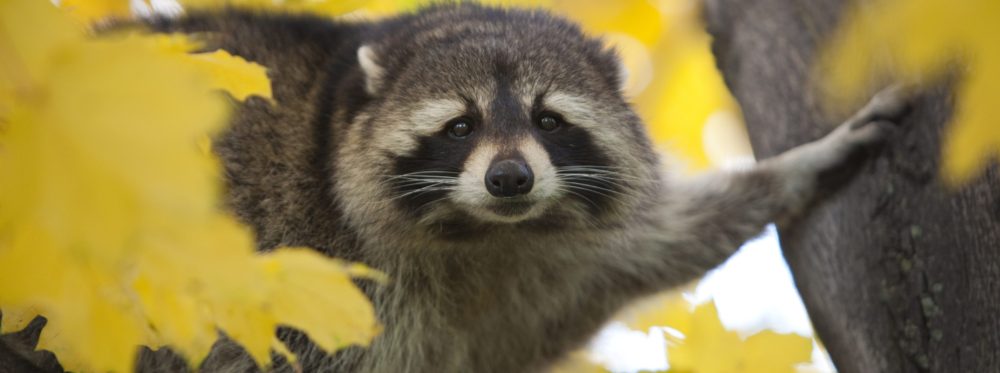
The two most distinguishable physical characteristics of a North American raccoon are its face and paws. A raccoon has a black stripe of fur directly across its visual center that closely resembles a mask. Some believe this black mask reduces light and glare; allowing them to see better at night. Surrounding this “mask” is a contrasting colored fur; usually a gradation of black, white, grey, and brown. Their ears are slightly upright and rounded, and bordered with white fur.

Raccoon paws are very dexterous and human-like; with long claws for grasping, climbing, and agility. In fact, their sense of touch is their most valued and important sense. Raccoons’ sense of touch is extremely receptive because they have hyper-sensitive front paws. They also have the ability to stand on their hind legs; which allows them a more supportive posture when grasping and holding things. This mannerism gives them more of an advantage when using their paws in nature. Above their sharp, non-retractable claws, raccoons have vibrissae; a type of hair that has a somatosensory response to the brain. They are also called whiskers on other mammals. It allows raccoons to recognize an object before even touching it. This helps them as they are nocturnal animals.

Body and Tail

One of the most recognizable features of any raccoon species is its striped tail. In fact, there are raccoon species in the world named specifically after their tails! A raccoon tail is general shorter than their body; reaching average adult lengths of 8 to 16 inches or so. It is striped with different colored fur; usually black, white, and grey. Their tails allow them control and balance when climbing trees, roaming, walking, and standing. They are strong and valuable assets to a wild raccoon.

The torso of a raccoon usually measures on average between sixteen and twenty eight centimeters in length. It is hard to tell an average weight of an adult raccoon because it largely depends on their habitat and food availability. However, an adult raccoon can weight anywhere between 20 to 70 pounds, depending on its environment and habitat. Also, males are generally heavier than females. Another interesting fact about raccoon weight is that they weigh more in the beginning of winter than in springtime because of the all the food they stored for the colder weather.

For more information about identifying raccoons in Louisville, Kentucky, call 502-553-7622 today. We are raccoon control specialists with more than three decades of experience working with wild raccoons. Our professional raccoon control technicians can answer any questions you have about raccoons, and how to get rid of them if they are in or around your property. Visit our webpage at https://www.raccoonremovallouisvilleky.com/raccoon-control-louisville-ky.php for details about our services and credentials. Not only do we get rid of and remove raccoons, we also provide restoration and clean up services, and more! We are licensed and qualified raccoon control specialists that can get rid of raccoons in Louisville, KY and its surrounding counties.

Use an Effective Raccoon Repellent for Camping Trips this Fall

As the hot summer weather fades and cooler temperatures set in, many friends and families are planning camping trips this season. Camping is a wonderful pastime for several people all over the country; however, when camping near wooded or forested areas, it is crucial to take certain safety precautions. Although there are various wild animals a camper can encounter in Kentucky, raccoons and squirrels are the most common species spotted near family-designated camp grounds.

Since squirrels are not likely to come near humans, raccoons are the culprits to look out for. They are intelligent mammals with a boundless hunger for food and warm or dry shelter. Raccoons are known to walk right up to humans or inside tents for these reasons. They use camp grounds for an easy meal and a warm bed. Using a raccoon repellant spray is one effective way to keep raccoons away from camp sites. Below you will find some recommended raccoon repellent sprays on the market today. Continue reading to learn more about raccoon repellent options for your upcoming camping trip; as well as, who to call for more information about raccoon control and removal in your city or town.

Raccoon Repellents on the Market

There are several types of wild animal repellents you can purchase to eliminate raccoon problems; however, it is important to choose a brand or method that is truly effective. Repellents can come in many forms. You can buy powders, automated sprinkling systems, sprays, concentrates, liquids, and more. Below is a list of the most recommended raccoon repellent sprays currently available for purchase online or in relevant department stores.

Critter Ridder® Animal Repellent Granular Shaker

This product comes in a granular form that resembles loose dirt. It is organic friendly and can easily be packed along with all other camping supplies and provisions. It is a quick method when it comes to setting up a periphery around your campsite. It is top-rated among most consumers and averages around 20 dollars per package. This is a great last minute approach to raccoon control and prevention for camping trips everywhere.

Shot Gun REPELS-ALL® Animal Repellent Concentrate

This effective raccoon repellent can also be used to thwart all species of wild vermin to trespass onto your camp grounds. Not only will raccoons steer clear; but other nuisance animals such as snakes, skunks, and rabbits will avoid marked areas as well. This version is a liquid concentrate made from all-natural ingredients. It is safe for the environment and can even repel in rain. It prices around 30 to 60 dollars depending on the size of the container.

Dog and Cat Repellent Sprays

There is a wide variety of cat and dog repellents for purchase in pet stores, general stores, and online. Surprisingly, these pet repellents work well for raccoon control. They can come in granular, spray, or powder form and are typically inexpensive to buy. Before a camping trip, you can simply walk into the pet aisle on your local store and pick up some animal repellent in just a few minutes. This is a quick and affordable way to repel raccoons on a camping trip.

Homemade Raccoon Repellent

Another approach for raccoon prevention is to create your own repellent. There are various recipes available online that teach you how to make your own homemade raccoon repellent. It is said that these remedies work well against nuisance raccoons and other animals too. Here is a sample recipe for homemade raccoon repellent:

HOMEMADE RACCOON REPELLENT
12 OZ Hot Sauce or Cayenne Pepper
1 Gallon of Water
1 Teaspoon Mild Dishwashing Detergent
Mix Together and Transfer to Spray Bottle.

It is important to find a good and reliable recipe because some informants suggest using all pepper-based formulas, which can be harmful to raccoons and other animals. It is always recommended to use safe and human animal control at every opportunity. The best way to learn about raccoon control and prevention is to ask an expert. Contact a local animal control company and ask them for suggestions on keeping raccoons off your camp grounds.

Raccoon Removal Louisville, Kentucky

In fact, you can simply call Raccoon Removal Louisville at 502-553-7622 for expert advice on animal control in Kentucky. We are experts at raccoon prevention and can give you free advice whenever you ask! Visit our webpage at https://www.raccoonremovallouisvilleky.com/raccoon-control-louisville-ky.php for details about our services and company background. If you are experiencing problems with raccoons or other nuisance wildlife, we are here to help. Call our DNR licensed and insured raccoon control technicians for reputable and affordable assistance in Louisville, KY and its surrounding counties or districts.

How to Stop a Raccoon on the Loose Inside Your Home

Raccoons are naturally curious and intelligent mammals that can frequently find access to homes and buildings. It is common for raccoons to gain entry to our homes and run loose through basements, garages, attics, sheds, and even backyards. This is not a desirable situation for homeowners; considering the amount of structural damage a raccoon can cause to a house. Continue reading to learn how to safely catch a raccoon that is on the run inside your home or property.

Remove Raccoons

Although raccoons are cute and quite smart, they can also be a danger to us and our pets. This is the main reason why it is crucial to get rid of raccoons as soon as you are aware they a present in or around your home. The sooner a raccoon is removed from a property, the less likely your home will suffer structural damage and disarray. Raccoons are quiet and nimble, and can go unnoticed for quite some time; so discovering a raccoon problem right away is a huge advantage. If overlooked for a while, the combination of urine, feces, food scraps, and nesting can accumulate to mass amounts; resulting in extensive repairs, restorations, and clean up.

To get started removing raccoons from your home, you should first determine how many raccoons are actually on the loose. DO you have just one raccoon or a colony of five to ten? This information will help you determine your next steps for raccoon removal. For just one raccoon, the following Do-It-Yourself tips are suggested:

• Remove All Available Food Sources in the Inhabited Area
• Block All Exits in Occupied Room Excluding One
• Set a Bait Path that Leads a Raccoon Outdoors
• Lockup Doggy Doors and Entries
• Remove Indoor and Outdoor Pet Food Supplies
• Call a Professional Raccoon Control Specialist

All of these tips can get you started to removing raccoons from your home; however, to get rid of raccoons on your property for good, it is important to outsource professional animal control services for long-term wildlife control. These companies can remove raccoons, as well as, implement strategies and methods to prevent them from ever returning. Be sure, however, to choose a reputable and licensed company to do business with. It is crucial to get adept animal control services for quality results.

Raccoon Removal Louisville is Kentucky’s most trusted wildlife control and removal company. Our technicians are highly trained and qualified with decades of experience in the animal control industry. We offer free estimates, DIY advice, references, raccoon cleanup services, and much more! Visit our website at https://www.raccoonremovallouisvilleky.com/get-rid-of-raccoons-louisville-ky.php for details about our services and company background. Call 502-553-7622 and speak with a licensed raccoon control specialist about removing raccoons from your home in Louisville, Kentucky and all its surrounding counties.

Raccoon Trivia for Nature Lovers

Are you a school student learning about common forest creatures like the wild raccoon? Or perhaps you are a concerned homeowner with a nuisance raccoon issue on your hands? Either way, you are in for some fun! Continue reading to test how much knowledge you have about raccoons, as well as, learn some facts about them that may be helpful in your situation.

Beginner Level Raccoon Trivia Questions

Are Raccoons Diurnal or Nocturnal Mammals?

Answer: NOCTURNAL

Raccoons are mammals that sleep during the daytime and become active at night. This is the meaning of “nocturnal”, referring to being active at nighttime. Raccoons forage and feed in the night, and sleep during day light hours. Spotting a raccoon during the day time could indicate that the animal is sick, delusional, or a lost pup. It is always advised to steer clear of wild animals, and contact a professional raccoon control company for help.

Are Raccoons Omnivores, Herbivores, or Cannibals?

Answer: OMNIVORES

Raccoons are omnivores, meaning they eat, rely on, and enjoy a variety of food sources. They consume insects, small invertebrates, (i.e. frogs and crayfish); as well as, fruits, nuts, plants, eggs, and even small rodents.

What is the Most Recognizable Feature of a Wild Raccoon?

Answer: MASK-LIKE BLACK STRIP ACROSS THEIR EYES

Raccoons are commonly identified and distinguished by their black “bandit-like” strip of fur across their eyes and face. All raccoons have some degree of this feature, easily setting them apart from other forest and woodland creatures. They also have long bushy tails and blackish-gray fur covering their bodies. There are various types of raccoon species across the world, but in Indiana, the grayish-black striped raccoon is the most common.

Expert Level Raccoon Trivia Questions

What is the Gestational Period for a Wild Raccoon?

Answer: 65 DAYS (AROUND TWO MONTHS)

Mother raccoons, on average, give birth to anywhere from three to five baby raccoons in one gestational period. Baby raccoons are called “kits”, and are usually born in the spring time. Their black “bandit-like” mask is already identifiable at birth!

What is the Scientific Species Name for a Raccoon?

Answer: PROCYON LOTOR

Raccoons are categorized as part of the Mammalia class, Carnivora order, Procyonidae family, and the Procyon genus. They are medium sized mammals with dense furry coats and long bushy tails. They live in forested and wooded areas, feeding on invertebrates, insects, small rodents, fruits, nuts, and plant life. They typically survive around two to three years in the wild; however, in captivity, raccoons can live up to 20 years or more!

What Diseases Can Be Contracted From a Sick Raccoon?

Answer: RABIES, HISTOPLASMOSIS, LEPTOSPIROSIS, SALMONELLA, TICKS, LICE, ROUNDWORM, AND MORE

Raccoons are common carriers of many infectious diseases that can negatively affect the health of humans and other animals. Pets and children are at high risk of raccoon attacks because they are the most curious and naive. Raccoon bites are common in residential neighborhoods, especially near public parks and playgrounds. Although raccoons are nocturnal, they frequently cross paths with kids, pets, and adults time and again. Diseases such as Rabies, Histoplasmosis, and Salmonella are dangerous illnesses that can be life threatening if left untreated. Less serious but still undesirable ailments include ticks, fleas, lice, and roundworm.

For more information about raccoons, call Louisville Raccoon Removal in Kentucky at 502-553-7622 today. Our professionals can provide accurate and trustworthy information about raccoon control and more in Louisville, KY. Visit our website at https://www.raccoonremovallouisvilleky.com for details about our services and company background. Our raccoon control techs are highly trained and licensed specialists with decades of experience in the animal control industry. We offer free estimates, DIY advice, discounts, coupons, and more! Call 502-553-7622 for raccoon removal advice and information in Louisville, Kentucky and its surrounding areas.