Problems with Pet Raccoons

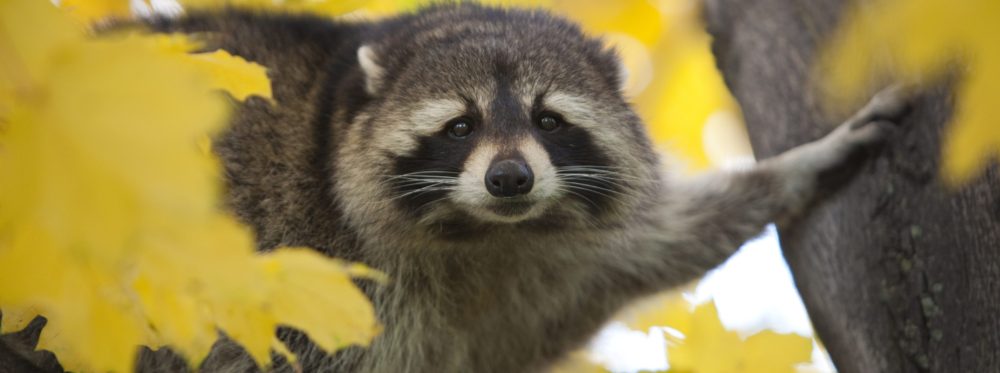
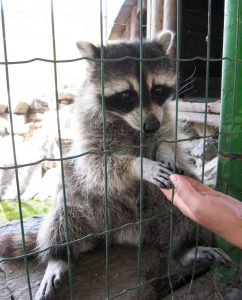
Raccoons should never be domesticated, especially if they are found as pups in the wild. Although baby raccoons, or kits, are adorable, they are tough to control and care for. Animal rescue experts retain the proper experience, knowledge, and training to care for raccoons outside of the wild; but as for anyone else, owning a pet raccoon can be risky. Continue reading to learn why it is not a good idea to adopt or own a pet raccoon.

Raccoon Removal and Control 502-553-7622

Raccoon Removal and Control 502-553-7622

Raccoon Behavior and Instinct

Raccoons have always been wild animals, and this “wild” gene is instilled in them from thousands of years ago. They will never lose the desire to roam free, hunt, breed, and nest. A pet raccoon will never want to be caged, which would pose as a huge problem for anyone that wants to own a raccoon. Raccoons are cute and cuddly when they are just kits, and will allow pet owners to cage them, feed them, and love them.

They are easy to care for when they are small, dependent, and young; but when they grow up, they have a whole different agenda. When they reach adolescence and adulthood, they get more aggressive, solitary, and destructive. These critters are known to tear through upholstery, couches, mattresses and anything else that sparks their interest. This behavior probably stems from boredom, because at this age, they want to roam free, hunt, and be on their own. Domesticating a wild raccoon or any animal is nothing like owning a cat or dog; it is a lifestyle.

Health Risks and Raccoon Domestication

Raccoons, just as any other wild animal, can carry diseases that are harmful to humans, especially children and the elderly. Viral diseases such as rabies, distemper, canine hepatitis, and more are all common in wild animals and raccoons. These, and more, can be passed on to people and other animals. They also can carry lice, ticks, scabies, and roundworm.

Animal Ownership Laws

Another risk to owning a pet raccoon is breaking the law. Depending on which state you reside in, the law defines the rights of people when it comes to exotic animal ownership. For example, in Indiana, a pet raccoon is considered a Class 2 exotic animal, which requires a license and permit to own. If you did not have a license or permit, the state can remove the pet and order the owners to pay fees and fines.

Other states have a complete ban on raccoon domestication. For example, Maryland prohibits anyone from owning a pet raccoon and does not offer licenses or permit to allow raccoon domestication at all. If you are serious about adopting a pet raccoon, always check your local ordinances first, to ensure you are remaining within the guidelines of the law.

Louisville Raccoon Removal

Louisville Raccoon Removal

Louisville Raccoon Removal 502-553-7622

Call 502-553-7622 for Louisville raccoon removal you can trust. We are DNR licensed and insured raccoon control experts with over 20 years of experience in the raccoon industry. We have all the latest technologies and equipment to carry out safe and humane raccoon control and cleanup jobs. Call 502-553-7622 to speak with a live raccoon control specialist today! Request a free estimate for raccoon removal in Louisville, Kentucky and its surrounding areas.

Subspecies of the Common Raccoon

Learn about the three different raccoon species and all their subspecies too! Raccoons are special and intelligent mammals that have a lot to offer when it comes to fun facts and nature.

Louisville Raccoon Removal 502-553-7622

Louisville Raccoon Removal 502-553-7622

The Common Raccoon, or Procyon Lotor, is also referred to as the Northern raccoon and is primarily found along the Southeastern borders of Canada, all the way through the Northern regions of the United States, and even down through the Gulf of Mexico. Northern raccoons are the most prevalent species found in North America, and retain the characteristic qualities that we all think about when we think about raccoons. They have the long, striped, bushy tails and the bandit-like mask that we all know so well, and the long claws and human-like paws too. They are highly intelligent mammals whose studies have shown they can remember solutions to tasks up to three years later! This is where the familiar phrase, “sly coon” comes from.

Raccoon Species

There are only three species of raccoon, which includes the common raccoon, as well as, the Cozumel Island raccoon and Crab-Eating raccoon. These other two species are only native to the tropics and are rare. Aside from the three main species of raccoon, there are several subspecies found all across the world, from Europe to Japan, in Central America, the Caribbean, and more. Continue reading to learn more about raccoon subspecies.

Raccoon Subspecies

Some species of raccoon were thought to be separate and distinct, but are now classified as subspecies to other species of raccoon. For example, the now-extinct Barbados raccoon, the Guadeloupe raccoon, and the Tres Marias raccoon were thought to be their own species, but several studies later on proved they were simply subspecies to the common raccoon.

Since 2005, twenty two subspecies of raccoon have been formally recognized.

• Eastern Raccoon (P.I lotor)
• Florida Raccoon (P.I elucus)
• California Raccoon (P.I psora)
• Texas Raccoon (P.I fuscipes)
• Snake River Valley Raccoon (P.I excelsus)
• Mexican Plateau Raccoon (P.I hernandezii)
• Baja California Raccoon (P.I grinnelli)
• Kay Vaca Raccoon (P.I auspicatus)
• Upper Mississippi Valley Raccoon (P.I hirtus)
• Mississippi Delta Raccoon (P.I megalodous)
• Torch Key Raccoon (P.I incautus)
• Maria Madre Island Raccoon (P.I insularis)
• Saint Simon Island Raccoon (P.I litoreus)
• Ten Thousand Islands Raccoon (P.I marinus)
• Bahaman Raccoon (P.I maynardi)
• Pacific Northwest Raccoon (P.I pacificus)
• Colorado Desert Raccoon (P.I pallidus)
• Isthmian Raccoon (P.I pumilus)
• Short-Faced Raccoon (P.I simus)
• Vancouver Island Raccoon (P.I vancouverensis)

If you are experiencing a nuisance coon problem, contact a local and licensed animal control service right away. These special mammals should never be harmed or killed. A trusted animal removal company will trap them and relocate them to a faraway and safer habitat.

Raccoon Removal Louisville

Louisville Raccoon Removal

Louisville Raccoon Removal 502-553-7622

Call 502-553-7622 for DNR licensed raccoon control services that are both safe and humane. We never harm or kill raccoons, and neither should you! Instead, enlist the services of our licensed wildlife rescue contractors for non-lethal raccoon exclusion and control. We don’t just get rid of raccoons, we also provide cleanup services and minor attic restorations from raccoon damages. Call 502-553-7622 to request a free estimate, today.

DIY Raccoon Removal Advice

Raccoon Removal and Control 502-553-7622

Raccoon Removal and Control 502-553-7622

If you are experiencing nuisance raccoon activity in your neighborhood, it is wise to start thinking about taking some preventative measures. Otherwise, your home and property, as well as your sanity, may be at risk! Although proper raccoon control and removal is quite complex and requires years of professional experience, there are some simple “do-it-yourself” projects that can be done without professional raccoon control service. If everyone adopts these tips and strategies, it can help thwart raccoon invasion in your neighborhood for good. Continue reading to learn more about getting rid of raccoons, safely and humanely.

Tips for Putting a Stop to Nuisance Raccoons

If you have a known raccoon colony in or around your home, then be sure to never leave your garbage cans outside on the night before trash day. Raccoons are nocturnal, which means they are active in the evenings and sleep during daylight hours. At night, they search for food, and your garbage cans are prime targets. As clever mammals with excellent memories, they will remember that trash cans are sources for food, and will continue to rummage through them night after night until they are no longer viable sources of snacking. If taking your garbage outside on the morning of trash day is not an option, there are alternative solutions you can use to deter raccoons from entering your property.

Send Them a Message They Can Smell

Ammonia is a chemical agent that gives the illusion of urine, for a raccoon. Although we might perceive raccoons to be filthy and unsanitary, in their world, they are the tidy ones. They like to keep their areas and nests very clean, so they wander far from their nests if they need to relieve themselves. If they smell ammonia, they will assume the area has been marked by a predator, and will find other grounds to mark as their territory. You can even purchase coyote urine and other types of urine from common raccoon predators, and use it in place of ammonia.

Spraying or squirting the ammonia around your garbage cans can prevent raccoons from trespassing onto your property. The ammonia solution is also good for indoor use, if you find a raccoon colony in your home. Raccoons also hate peppery spices, menthol, and peppermint. Using these extracts around the perimeter of your home can help keep them away too. Moth balls in a bowl are also effective.

Use Scare Tactics and Other Non-Lethal Strategies

If predator urine is not your thing, you can purchase sound machines that imitate common raccoon predators. This will scare them from coming too close. Similarly, you can install motion lighting that turns on when it senses motion. The sudden jolt of light scares raccoons and makes them very uncomfortable. One or two times of being caught in this bright light will remain in their memory and they will make sure to not come back.

Get Rid of Raccoons in the House

Finding raccoons inside your house is startling. They can be quite messy and the amount of damage can develop quickly. They use insulation as nesting material, chew through electrical wiring, claw at drywall, soil floorboards and drywall with their droppings, and make a huge mess with their food. Furthermore, this damage can generate foul stenches and odors that can carry into the living quarters of your home. Urine and droppings can leak through ceiling panels and down wall seams, resulting in yellow and brown stains.

These are all tedious projects in themselves, but removing the raccoons is the first priority. Calling a professional raccoon removal company is the only way to remove the raccoons safely, without causing more harm to your home or the animals. If you find a raccoon nest in your garage or outdoor shed, then use the ammonia to force them to move out. Using this solution in high traffic areas of a home is not recommended. This includes the attic, garages, driveways, sheds, outdoor storage units, and similar areas are all acceptable.

Louisville Raccoon Removal and Control
Louisville Raccoon Removal

Louisville Raccoon Removal 502-553-7622

Call 502-553-7622 for professional raccoon removal service in Louisville, Kentucky and its surrounding areas. We offer a wide range of residential and commercial raccoon control services at the most affordable prices in town. Our DNR licensed and insured wildlife contractors are happy to answer your questions about raccoon removal and control, anytime. We offer emergency services, free estimates, and more.

Learn Some Common Knowledge About Raccoons and Raccoon Control

If you don’t know anything about raccoons, here is a great place to start! Continue reading to learn some common knowledge about raccoons, raccoon control, and more!

Louisville Raccoon Removal 502-553-7622

Baby Raccoons are Called “Kits”

🐾 Raccoon Characteristics

Because of the dark mask over their eyes, and possibly because we usually find them going through our trash cans, raccoons are often called little bandits, and they are closely related to the bear family. The word “raccoon” comes from the Algonquin Indians and means, he scratches with his hands. Raccoons weight averages are around 20 pounds, and their average body sizes are around 38 inches long, but they can get much bigger. In fact, the largest raccoon on record weighed in at 62 pounds!

🐾 Raccoon Diet

The raccoon diet varies from season to season but typically they will eat anything from insects, fruits and nuts to small reptiles, amphibians, birds and other vertebrates. One of the reasons we usually find raccoons going through our trash after dark is because they are nocturnal and sleep during the day. Raccoons are very intelligent, and like humans, have paws with 5 digits. These paws are capable of grasping and prying, just like ours!

🐾 Raccoon Abilities

According to experts, raccoons score extremely high on the mammal IQ test. They are found to be more intelligent than cats, but like cats, Raccoons don’t follow direction well. Raccoons have extremely poor eyesight, however, they do have above average hearing and excellent climbing skills. Like cats they can fall from distances as great as 40 feet without sustaining serious injury. They are also great swimmers and can easily cross rivers, lakes and streams with ease.

Raccoons have a very short lifespan and typically only live two or three years. They do, however, live much longer in captivity and the record for a captive Raccoon is twenty one years. Many are hit by cars, are eaten by other predators or die from disease, which could be a result of all of their dumpster diving.

🐾 Pet Raccoons

Although some people like to keep raccoons as pets, experts advise against it as they can be aggressive and dangerous to humans. In some states, pet raccoons are illegal. At a young age raccoons can be playful and interact well with humans, but as they get older, they become more aggressive, especially during mating season, and attacks become more likely to occur upon provocation.

🐾 Nuisance Raccoons

Raccoons love city living. There could be up to 8000 raccoons lurking about in a big city. Raccoons are able to open many types of doors so if you have a raccoon in your neighborhood keep your doors locked unless you want them going through your pantry. Be careful putting them in a cage because they are excellent escape artists and can use their lightning quick speed to catch fish right out of the water. If you have a vegetable garden at home beware the raccoon. They will eat most everything in your garden, even knocking over cornstalks to get the corn.

🐾 Raccoon Control

Raccoons can cause a lot of problems and be a real annoyance. They do damage to roofs, attics, shingles, and fascia boards as well as fruit trees, gardens, trash containers and lawns. In rural areas they eat crops and raid poultry houses. Because raccoons eat many wild birds and animals, many of which carry a variety of diseases, Raccoons can carry a number of diseases and parasites. Raccoons are known carriers of Rabies, Canine Distemper, Mange, Tuberculosis, Roundworm and many others. They are commonly infested with Fleas, Ticks, Mites and Lice which are known to carry a number of diseases.

If you have raccoons in the area make sure your trash can lids are secure. Don’t leave pet food or water outside in the evening, and Make sure your vents are closed and secured. Put a screen over your chimney and if you have a pet door make sure it is locked at night or you may wind up with unexpected company in the morning. If the problems persist, rather than trying to trap or kill the raccoon yourself, it is best to call an expert who has experience dealing with them.

Louisville Raccoon Control

Louisville Raccoon Removal

Louisville Raccoon Removal 502-553-7622

Call 502-553-76622 for Louisville raccoon control you can trust. We are DNR licensed and insured raccoon removal and control experts with over 20 years of experience in the industry. We have all the latest technologies and equipment to carry out safe and humane raccoon control and cleanup services in a convenient time frame. Call 502-553-7622 to speak with a raccoon control contractor today!

Garbage Can Protection for Nuisance Wildlife

Louisville Raccoon Removal 502-553-7622

Louisville Raccoon Removal 502-553-7622

Homeowners who live in highly urbanized areas, or communities near wooded or forested lands, are more prone to nuisance wildlife problems, especially raccoons. One of the most common complaint among these very homeowners is their garbage cans. Because raccoons have dexterous paws that are almost human-like, they can grip, grasp, and pry open many things. This includes garbage can lids, but also includes roof shingles, soffits, siding, doors, and more. Raccoons are extremely destructive as well, causing damage in all sorts of ways. They dig up lawns and gardens, rip off roof shingles and siding, pry open fencing, chew through electrical wiring, rip through screen windows, tear down attic insulation, and soil everything in their path with urine and droppings. These damages can quickly escalate into costly repairs and renovations.

For these reasons and more, it is important to stop a raccoon problem early on before they can cause an exponential amount of damage to your home and your property. You must learn how to protect your home from nuisance raccoons, starting with proper garbage management. Continue reading to learn how you can thwart raccoon activity on your property by managing your garbage cans better.

Garbage Can Tips

There are 4 primary methods that are effective for preventing raccoons from having access to your garbage cans. Each method can be used alone, or in combination with each other. It all depends on what works best for you. Here are the 4 methods we suggest:

Only take your trash out to the driveway on the morning of garbage pickup day. Never leave your trash cans outside overnight when you know there are raccoons present in the area. They will find your garbage, and they will make a huge mess of your driveway before the sun comes up.

Keep your trashcans inside the garage or shed at all times, unless it is garbage pickup day. Leaving your garbage cans outside all the time will let raccoons know they have easy access to your trash. Since raccoons have excellent memories, they will come back night after night for your trash cans.

Use a bungie cord or large cement block to keep the trash can lid secured. By tightly securing your trash can lids, you prevent raccoons from being able to pry them open with their little paw fingers. If they cannot get into your garbage, they will give up after a while and stop coming back to your property.

For those of you who have to keep trash receptacles outdoors, you can string brightly colored outdoor lights around them to scare raccoons off. The bright lights will make raccoons timid, and they will avoid areas that are well lit. You can also try electronic sound machines and motion-sensored lighting, or simply sprinkle some ammonia on the trash bags.

Louisville Raccoon Removal

Louisville Raccoon Removal

Louisville Raccoon Removal 502-553-7622

If you are experiencing raccoon problems, let us help. We offer 24 hour raccoon removal, as well as, raccoon proofing and prevention, minor restorations for raccoon damages, raccoon cleanup, and much more. We are DNR licensed and insured, and provide both residential and commercial raccoon control services. Call our office directly at 502-553-7622 for prompt and professional Louisville raccoon removal you can trust.

Affordable Raccoon Removal and Control Services for Louisville Residents and Business Owners!

We can get rid of raccoons in a flash for Louisville property owners and proprietors!

Louisville Raccoon Removal 502-553-7622

Louisville Raccoon Removal 502-553-7622

When you need raccoon removal and control in Louisville, Kentucky, trust no one else but Raccoon Removal Louisville.com for all your nuisance animal needs! Our highly trained and DNR licensed wildlife rescue and control contractors have decades of experience in the raccoon control industry. We never harm or kill raccoons, and instead, we use safe and humane methods of raccoon exclusion and extraction. Once in our control, we relocate wild raccoons to a safe, faraway habitat.

We Provide 24 Hour Emergency Raccoon Removal

When you need emergency assistance for a raccoon in the house or other area of your property, we are standing by to help! We provide 24 hour emergency raccoon removal for residential and commercial properties in Kentucky. No matter what time of day or night, their raccoon control teams are standing by to deliver punctual and prompt assistance when you need them most!

Let Us Catch a Small Problem Early On

Raccoons can be a big nuisance in many ways. Stopping a raccoon infestation from getting bigger can save home and property owners loads of money in restoration and damage repairs. Once you are aware of a raccoon problem, take action right away. The longer you wait, the more time raccoons will have to create more damage and mess.

Keep these facts in mind too:

🐾 A diseased raccoon does not always look or behave sick, so it is important to never come close to one under any circumstances.

🐾 Always call a licensed Louisville raccoon removal professional who retains the proper equipment and training to safely carry out the task.

🐾 Another great way to stop raccoons from trespassing is to implement effective preventative maintenance. We have all the information you need to raccoon-proof your property!

Louisville Raccoon Removal Has the Workable Solutions You Need

Louisville Raccoon Removal

Louisville Raccoon Removal 502-553-7622

Call 502-553-7622 for professional Louisville raccoon removal services today. We offer a wide range of services for residential and commercial properties, including raccoon removal, control, prevention, proofing, cleanup, attic restorations, and more. Call 502-553-7622 to request a free estimate or information about Louisville raccoon control, today.

Will My Homeowners Insurance Cover Raccoon Damage?

Raccoon Removal and Control 502-553-7622

Raccoon Removal and Control 502-553-7622

The past few years have proven that there has most certainly been a rise in the urban raccoon population. This means more potential for diseases, infection, and property damages. Raccoons have shown a great deal of adaptation to our residential and urban environments; making it easier for them to survive in these rural locations. From North all the way to Central America, you can find wild raccoons making their homes anywhere that suits them best.

Many professional state public health services, such as the CDC (Center for Disease Control), have long-since recognized the reproductive potential and success of raccoons; therefor, they have extended public warnings, issued official guidelines, and provided information about raccoon disease control and prevention. Unfortunately, there is nothing these organizations can do to prevent property damages caused by raccoons. This is the responsibility of the homeowner. The number one question is, “Is raccoon damage covered by my homeowners’ insurance policy?” Continue reading to learn about standard homeowners’ insurance policies and if they are known to cover raccoon damages or not.

Raccoon Damage Insurance Claims

The bad news is that wild raccoons can cause a substantial amount of damage in a short amount of time. Attics, crawl spaces, basements, drywall, insulation, garages, and more can all become saturated with animal urine, feces, afterbirth, feeding mess, and more. On top of this mess, sheetrock, particle board, walls, ceilings, rooftops, and more can easily become structurally damaged from even a small raccoon infestation. Now here is the good news; most homeowners’ insurance policies cover raccoon damages.

Louisville Raccoon Removal 502-553-7622

Louisville Raccoon Removal 502-553-7622

You see, insurance policies will commonly have a section that discusses “rodent” or “vermin” damages and that these damages are not covered; however, raccoons are not rodents. In fact, raccoons are members of the bear family! Modern dictionaries define vermin as noxious little animals such as mice, lice, squirrels, rats, cockroaches, flies, and insects. Although some insurance policies may differ, most cover damages caused by raccoons and other nuisance wildlife. The verdict can also depend on the particular
jurisdiction in which a person lives.

To find out of your homeowners’ insurance company covers raccoon damages, it is best to refer to the original contract, policy plan, and agreement. See what it says about animal damage and coverage benefits. If you are still confused, call the company to speak with a live representative. They can give you answers to all your insurance coverage questions right over the phone. Most insurance companies provide these customer services 24 hours a day.

Louisville Raccoon Damage Restoration and Repair

Louisville Raccoon Removal

Louisville Raccoon Removal 502-553-7622

Call 502-553-7622 if your home or property has been damaged by nuisance raccoons in Louisville, Kentucky. Our DNR licensed and insured wildlife control contractors provide a wide range of raccoon removal and control services for both residential and commercial properties. These services include attic restoration, raccoon cleanup, raccoon exclusion, raccoon-proofing, and much more. Call 502-553-7622 to request a free estimate for Louisville raccoon removal and control, today.

Fundamental Raccoon Facts You Should Know

Out of all the mammals in the United States, raccoons are truly among the most fascinating. That is because there are so many traits that make raccoons interesting members of the animal kingdom. For instance, raccoons are incredibly intelligent, much like dogs, and just as curious and cute too! They can remember places they’ve been, figure out solutions to problems, learn tricks, and more! So if you don’t know much about raccoons, it will certainly please you to learn the fundamental facts surrounding this fascinating species. Continue reading to do just that!

Louisville Raccoon Removal 502-553-7622

Louisville Raccoon Removal 502-553-7622

The Common Raccoon

Species: Procyon lotor
Class: Mammalia
Order: Carnivora
Family: Procyonidae
Genus: Procyon

Physical Characteristics

Raccoons are well-known for their ringed tails, long whiskers, and black fur around their eyes. They range in size and weight, but the average adult male will be between 2 to 3 feet tall and between 15 and 20 pounds. They have dexterous paws that are similar to human hands, which gives them the ability to grasp, pry, pull, and more. They also have long sharp claws that make them excellent climbers.

Diet and Habitat

Raccoons are omnivores, which means they eat everything, including meat, vegetables, fruit, and nuts. Since they are opportunistic eaters, their specific diets depend on the region in which they live and the availability of food in their area. Raccoons commonly eat frogs, birds, rodents, snakes, insects, fruit, legumes, vegetables, and more. As for their homes, they make dens in hollowed trees, or find shelter in anything worthy, including residential structures like attics, porches, sheds, and more!

Reproduction

Male raccoons are called boars and females are called sows. Mating season is in late winter and early spring. Female gestation periods are around 65 days, and they generally give birth to 3 to 5 raccoon babies, called kits. Raccoon kits stay with their mother until they reach sexual maturity at around 6 months of age. Male raccoons do not have a role in raising their kits.

Nuisance Raccoons

Although raccoons are cute, innocent, and smart, they can be quite the nuisance when they end up near our homes and businesses. When this happens, raccoons can cause extensive damage, but they also pose health risks because they are known carriers of several infectious diseases. If you have raccoons on your property, contact a professional wildlife control company for safe and humane assistance. Raccoons should never be harmed or killed under any circumstances.

Louisville Raccoon Control

Call Louisville Raccoon Removal at 502-553-7622 for prompt and humane raccoon control service in Kentucky. Our friendly wildlife removal contractors are happy to answer questions, give advice, and manage your raccoon problems, anytime. Give us a call at 502-553-7622 to learn more about raccoon control in Louisville, KY today.

Protecting Your Property During Raccoon Breeding Season

Louisville Raccoon Removal 502-553-7622

Louisville Raccoon Removal 502-553-7622

Raccoon breeding season is upon us, and now is the perfect time to get your property protected from raccoon damage and infestation. Raccoons are highly intelligent mammals with nimble-fingered paws, skilled climbing abilities, and an endless curiosity. This combination makes them expert trouble-makers in residential and municipal communities. They can access our properties, digging up lawns and gardens, rummaging through trash cans, stealing pet food, soiling attic floorboards and wall insulation, and much more. These damages are not only unsightly and unsanitary, they are costly to repair. So prevention is your greatest weapon against nuisance raccoons.

Continue reading to learn how to get your home ready for raccoon breeding season!

Raccoons

Raccoons generally begin their mating season in late January, which can last through March. Females have a gestation period of 65 days or so, which means mother ‘coons are expected to birth their litters between the months of April and May. Mother raccoons are known to have anywhere from 2 to 5 baby raccoons, also called kits, per litter. Interestingly, larger litters generally occur in regions where raccoon mortality rates are higher. For instance, states like North Dakota have rendered the raccoon litter average higher than states like Florida or Louisiana, due to harsh winter climates and excessive hunting.

Kits are born both blind and deaf. Their ear canals open after 3 weeks or so, and then their eyes eventually open a few days after that. They remain with their mother during the nursing process, suckling her nutrient-dense milk; and after 16 weeks, they are weaned onto solid food. At this point, they are self-reliant, and males will live on their own, reaching sexual maturity around a year old.

Raccoon Protection

Louisville Raccoon Removal 502-553-7622

Cover Trash and Do Not Leave Cans Out Overnight!

As mentioned, raccoons are capable of causing a serious amount of damage to a property, both inside and out. For this reason, raccoon-proofing is important, especially for homes or business close to wooded or forested areas, and businesses that throw out food in a dumpster. To protect your property from raccoons, follow the simple tips below.
Use lids on exterior trash cans. Latch them down with rope, bungee, or cement blocks.

→ Take your trash out on the morning of garbage pick-up day.

→ Remove all food and water sources outside, including pet bowls, bags of pet food, bird baths, squirrel feeders, and bird houses. Use chicken wire to block off gardens.

→ Remove or block off all possible areas of shelter outside, including log piles, tree houses, pet houses, and sheds.

→ Cover compost piles with tarp and cement blocks.

→ Have your home inspected for open or vulnerable areas, and have these areas professionally sealed to prevent raccoon intrusion. This includes roofs, soffits, gutters, siding, porches, decks, and windows.

→ Install motion-sensored lighting or automatic sound machines.

If you follow all of these tips, you are doing a great job at protecting your home from raccoon damage!

Louisville Raccoon Control

Call 502-553-7622 if you have raccoon problems, or wish to raccoon-proof your property in Louisville, Kentucky. We are DNR licensed and insured wildlife control contractors that offer a wide range of raccoon removal and control services for residential and commercial properties. We offer 24 hour emergency service, raccoon cleanup, and minor attic restoration as well. Call 502-553-7622 to request a free estimate for Louisville raccoon control, today.

Will My Insurance Cover Raccoon Damages?

One of the first thoughts that come to mind upon discovering a raccoon infestation in your home is, “how much is this going to cost me?” And this comes as no surprise considering raccoons are capable of producing a significant amount of damage in a very little amount of time. Accordingly, this question is often followed by an inquiry about homeowners’ insurance. Many victims of raccoon damage want to know if their insurance policy covers animal damages, and if so, to what extent. If you are asking yourself these same questions, continue reading to learn more about insurance coverage and raccoon damages.

Raccoon Removal and Control 502-553-7622

Raccoon Removal and Control 502-553-7622

Rodents Excluded

In most cases, homeowners’ insurance will cover raccoon damages. But they may not cover the total cost. Depending on the policy you have and its deductible, your out-of-pocket cost for raccoon cleanup and property restoration will vary. What these policies do not commonly cover are insect and rodent damages, such as termites, bed bugs, mice, rats, and other vermin.

Your best option is to contact your homeowners’ insurance carrier to discuss the specific details in your policy and learn what you are covered for and to what extent. They will also guide you through the claim process and ensure all your questioned are answered.

Insurance-Compatible Raccoon Removal

You can ask your insurance provider for a list of insurance-compatible wildlife control companies in your vicinity. You may also just call around yourself and find a raccoon removal company who is insurance claim compliant. Be sure to choose a company with extensive experience, as well as, proper licensing and insurance, for best results.

Louisville Raccoon Removal

Call 502-553-7622 for prompt and professional raccoon removal and cleanup service in Louisville, Kentucky and its surrounding locations. We are DNR licensed and insured wildlife control specialists that specialize in raccoon removal services. Our teams of highly trained and experienced raccoon control technicians only use safe and humane methods to get rid of raccoons in Louisville. Call 502-553-7622 to request a free estimate for Louisville raccoon removal, today.