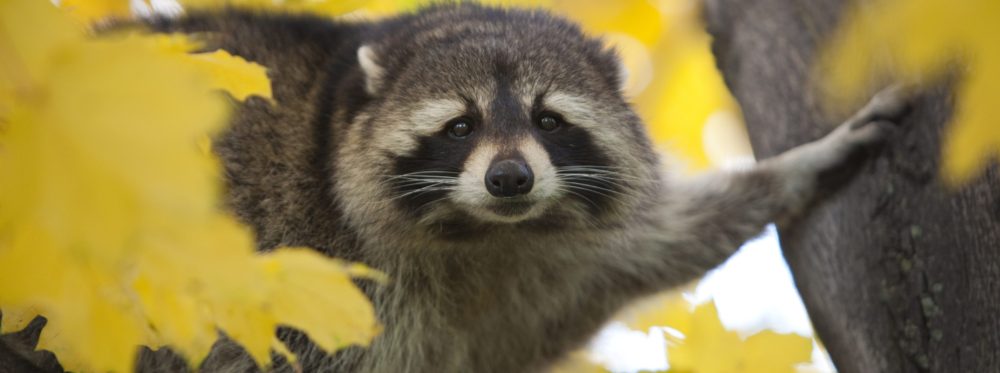
Raccoons are among the most adaptable wildlife species in North America—and their diet is a big reason why. These masked foragers (Procyon lotor) thrive in forests, wetlands, farmlands, and city streets alike, largely because they’ll eat almost anything they can find. Their ability to exploit nearly every available food source has made them one of the most successful wild mammals in the United States, found in every single state.
But what exactly does a raccoon eat? And why does it matter for homeowners? Whether you’re curious about raccoon behavior or dealing with nightly visits to your trash cans, this guide breaks down everything you need to know about the raccoon’s diet—from wild foraging to urban scavenging—and the real impact it can have on your property and health.
What Do Raccoons Eat in the Wild?
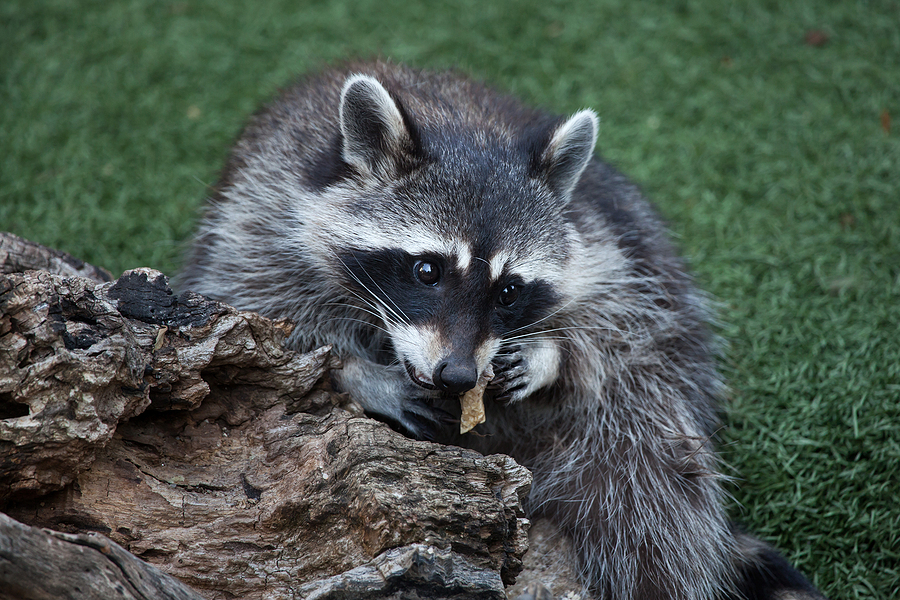
In their natural habitat, raccoons are true omnivores. They use a keen sense of smell to locate food and remarkably sensitive front paws to identify and manipulate it. Their diverse palate spans plants, insects, small animals, and aquatic creatures.
Foraging for Fruits and Nuts
Plant-based foods form a significant part of the wild raccoon’s diet. Raccoons actively seek out:
- Fruits — berries, apples, pears, and other wild fruits
- Nuts — acorns, walnuts, and hickory nuts
- Corn & grains — especially from agricultural fields near wooded areas
These foods are rich in carbohydrates and sugars, providing quick energy and, during autumn, the calories needed to build fat reserves.
Hunting for Small Prey
Raccoons are capable and opportunistic predators. They hunt small mammals such as mice, voles, shrews, and rabbits. Bird eggs and young birds taken from nests are also common targets. Invertebrates—including insects, grubs, earthworms, and snails—are everyday staples that require minimal effort to catch.
Aquatic Delicacies
Water is central to raccoon habitat and diet. Raccoons are skilled at foraging along riverbanks and shorelines, catching fish, frogs, toads, crayfish, clams, mussels, and other shellfish. This aquatic foraging behavior is one of the more distinctive aspects of the raccoon’s feeding habits, and proximity to water is a key factor in where raccoons choose to den.
Raccoons will also eat carrion—the remains of dead animals—when other food is scarce. Few things are truly off the menu.
Raccoons in Urban and Suburban Environments
Urban raccoons have discovered something that wild habitats rarely offer: a consistent, calorie-dense food supply that requires almost no effort to access. This is precisely why raccoon populations in cities and suburbs have surged over recent decades.
The Allure of Garbage Cans
Garbage cans are the urban raccoon’s primary food source. Raccoons are drawn to the smell of discarded food and have the dexterity to open many types of lids. Inside, they target:
- High-protein scraps — chicken bones, meat trimmings, fish skin, and spoiled deli meats
- Sugary fruit remains — apple cores, banana peels, melon rinds, and corn cobs
- Starchy carbohydrates — bread, pasta, pizza crusts, and potato peels
- Grease-soaked packaging — even food-free wrappers retain scent that attracts raccoons
Once a raccoon discovers a reliable food source, it will return to the same spot night after night.
Garden Raids and Pet Food Predation
Trash isn’t the only draw. Raccoons routinely raid vegetable gardens, targeting tomatoes, peppers, squash, and pumpkins. They’re also attracted to fallen fruit—especially if it has begun to ferment. Bird feeders, suet blocks, and birdbaths all act as additional attractants.
Outdoor pet food is particularly problematic. Dog and cat kibble is formulated to be highly aromatic and nutritionally complete, making it essentially irresistible to passing raccoons. Leaving a bowl of pet food outside overnight is an open invitation for repeat visitors.
Seasonal Variations in Raccoon Diet
Raccoon feeding behavior is not static—it shifts considerably with the seasons, driven by food availability and biological imperatives.
Spring and Summer Feasting
As temperatures rise, raccoons take advantage of an abundance of insects, amphibians, and nesting birds. Spring is prime time for raiding bird nests and hunting frogs along waterways. By summer, ripening fruits, garden vegetables, and small prey are all fair game.
Autumn Accumulation
Fall is arguably the most critical feeding season for raccoons. As days shorten, raccoons enter a period of intense feeding to build fat reserves for winter. High-calorie foods dominate: nuts, acorns, corn, and fallen fruits. Urban raccoons are especially active during autumn, raiding garbage cans and gardens with greater frequency as they pack on weight before cold weather sets in.
Winter Scarcity
Raccoons do not truly hibernate, but they do enter a state of torpor during periods of severe cold—becoming largely inactive and relying on stored fat. When winter weather eases, they resume foraging. Food is scarce during this period, which means raccoons that have not built sufficient fat reserves may venture closer to homes and neighborhoods in search of calories.
The Impact of Raccoon Eating Habits on Humans
A raccoon’s relentless search for food can create serious problems for homeowners. The consequences go beyond a tipped-over trash can.
Property Damage
Once a raccoon identifies your property as a food source, it may seek out a nearby den—and attics, crawl spaces, and chimneys are ideal candidates. Raccoons have strong claws and can cause significant structural damage:
- Ripping shingles and soffits off roofs to gain entry
- Tearing through insulation and electrical wiring inside attics
- Chewing through plastic garbage lids and heavy-duty bags
- Destroying garden beds and poultry coops
Health Concerns
Raccoons carry several pathogens that pose genuine health risks to humans and pets.
Rabies is perhaps the most widely known. According to PestWorld, raccoons are among the primary hosts of rabies in the United States, particularly in the eastern part of the country where their populations are growing. Rabies is transmitted through bites or contact with infected saliva and is fatal if left untreated.
Raccoon roundworm (Baylisascaris procyonis) is an intestinal parasite found in raccoon feces. According to the CDC, while human infections are rare, they can be severe—potentially causing blindness, brain damage, or coma if the parasite invades the eyes, organs, or nervous system. Roundworm eggs take two to four weeks to become infectious after being excreted, but once present in a yard, they can pose a long-term risk to children and pets.
Leptospirosis is a bacterial infection spread through raccoon urine and can cause serious illness in both humans and animals.
The Raccoon’s Adaptable Palate
The raccoon’s diet is a testament to its extraordinary adaptability. From crayfish caught in a creek to pizza crusts pulled from a suburban trash can, these animals exploit virtually every food source available to them. That flexibility has made raccoons one of the most successful—and problematic—wildlife species in North America.
If raccoons are frequenting your property, the best step is to eliminate food sources: secure your garbage cans with animal-proof lids, bring in pet food at night, and protect your garden. For persistent or significant infestations, professional raccoon control is the safest and most effective solution.
Frequently Asked Questions
Are raccoons picky eaters?
Not at all. Raccoons are highly opportunistic feeders that will eat almost anything available, from wild berries and crayfish to garbage scraps and pet food. Their diverse diet is one of the main reasons they thrive in such a wide range of environments.
Do raccoons eat dead animals?
Yes. Raccoons will consume carrion—the remains of already-dead animals—particularly when other food sources are difficult to find. This scavenging behavior is most common during winter when prey and plant-based foods are scarce.
Can raccoons eat human food safely?
Raccoons can and do consume many types of human food, but that doesn’t mean it’s good for them—or that encouraging it is a good idea. Feeding raccoons habituates them to human presence, increases the likelihood of property damage and disease transmission, and can create aggressive behavior over time. It is also illegal in some areas. Keeping raccoons away from human food sources is strongly recommended.
Dealing with raccoons in Louisville, Kentucky? Don’t wait for the problem to grow. Request a free quote today from our professional raccoon trapping and control team—and take back your property.
Related Posts:
A Quick Review of Some Really Fun Raccoon Facts
Raccoon Behaviors that Lead to Expensive Property Repairs
4 Ways to Keep Raccoons Out of Trashcans