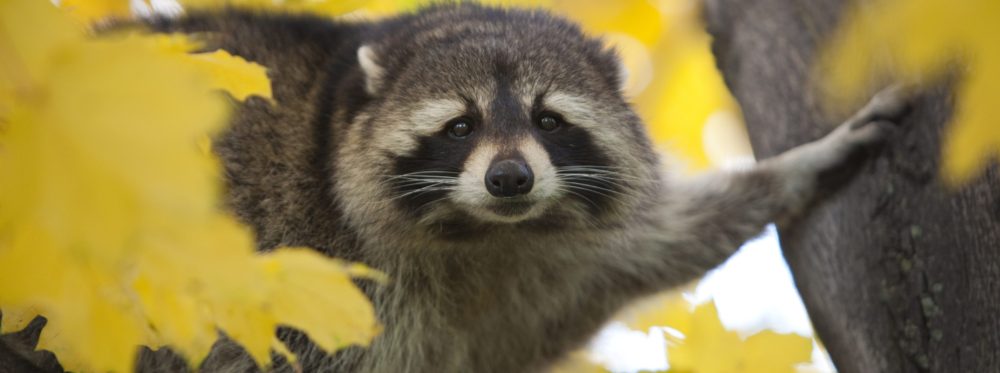
That thumping sound above your ceiling at 2 a.m. isn’t your imagination. If you live in Clarksville, Indiana, and you’re hearing scratching, shuffling, or chittering sounds coming from your attic, there’s a good chance you’re sharing your home with a raccoon—or a whole family of them.
Raccoons are resourceful, adaptable animals, and Clarksville’s proximity to wooded areas along the Ohio River makes it prime territory for these masked intruders. When natural den sites like hollow trees aren’t available, raccoons readily settle into warm, sheltered attic spaces—especially between January and May when females are searching for safe places to raise their young.
This guide walks Clarksville homeowners through how to spot the signs of a raccoon infestation, the risks of ignoring it, and the right steps to take before the damage gets worse.
How to Tell If You Have a Raccoon in Your Attic
Raccoons aren’t quiet houseguests. Here’s what to look and listen for:
Unusual Sounds at Night
Raccoons are nocturnal, so most of the activity you’ll notice happens after dark. Listen for heavy thumping, rolling sounds, or vocal chittering—particularly in the early hours of the morning. Unlike squirrels or mice, raccoons are large animals (adults typically weigh 8–20 pounds, according to the Indiana DNR), and the sounds they make reflect that size.
Droppings and Urine Stains
Raccoon latrines—communal waste sites—are a telltale sign of a sustained infestation. If you spot dark, cylindrical droppings grouped in one area of your attic, take it seriously. Raccoon waste carries serious health risks (more on that below), so never handle it without proper protective gear.
Damaged Insulation and Chewed Materials
Raccoons tear apart attic insulation to build nests. If you notice flattened or displaced insulation, shredded materials, or nesting debris, a raccoon has likely made itself at home. In some cases, they’ll also gnaw on wooden joists and other structural elements.
Foul Odors
A persistent musty or ammonia-like smell drifting from your ceiling is a strong indicator of raccoon urine buildup. Over time, this can seep through drywall and become very difficult to remediate without professional help.
Health and Safety Risks You Shouldn’t Ignore
A raccoon in your attic isn’t just an inconvenience—it’s a genuine health and safety concern.
Disease Transmission
Raccoons are one of the primary carriers of rabies in the United States. They also carry raccoon roundworm (Baylisascaris procyonis), a parasite whose eggs can survive in droppings for years and cause severe neurological damage if accidentally ingested. Leptospirosis, a bacterial infection spread through raccoon urine, poses additional risks to both humans and household pets.
Structural Damage to Your Home
Left unchecked, raccoons can cause significant structural damage. They pull up roof shingles, tear open soffits, and create large entry holes to access attics. The longer they stay, the more extensive—and expensive—the repairs become.
Fire Hazards from Chewed Wiring
Perhaps the most serious risk is one that’s easy to overlook: raccoons frequently chew through electrical wiring. Exposed wires in an attic are a leading cause of house fires. If you suspect raccoons have been present for more than a few weeks, a professional inspection of your attic wiring is strongly advisable.
What to Do Right Now
Document the Problem
Before calling a professional, take photos or video of any visible damage, entry points, or droppings. This documentation helps wildlife removal specialists assess the severity of the infestation quickly and gives you a record for potential homeowner’s insurance claims.
Don’t Attempt to Trap Raccoons Yourself
Many homeowners assume that setting a live trap and releasing the animal elsewhere is a safe, simple solution. Under Indiana law (per the Indiana DNR), resident landowners can trap raccoons on their own property without a permit if the animal is causing damage—but there are important restrictions. Any captured raccoon must be euthanized or released within the same county of capture, on private property where you have permission. Indiana also requires traps to be checked every 24 hours.
Beyond the legal complexity, the practical reality is that relocating raccoons rarely solves the problem. Research has shown that relocated raccoons tend to move into another nearby structure rather than returning to the wild. Without addressing the entry points to your attic, another animal will find its way in.
Why Professional Raccoon Removal Is the Right Move
Professional wildlife removal specialists bring tools, training, and legal compliance that DIY approaches simply can’t match. Here’s what a professional service typically provides:
- Safe, humane removal of raccoons and any young in the litter
- Identification and sealing of all entry points to prevent re-entry
- Attic inspection and remediation, including removal of contaminated insulation and sanitation of affected areas
- Exclusion techniques such as one-way doors that allow animals to exit but not return
- Structural repairs to damaged soffits, fascia boards, and rooflines
Professional raccoon removal is also the safest approach when dealing with a mother raccoon and her kits—a situation that requires careful handling to avoid separating litters in a way that causes further problems.
How to Prevent Raccoons from Returning
Once your attic has been cleared and secured, a few precautions can significantly reduce the chance of another intrusion:
- Secure your trash cans with locking lids or store them in a sealed garage overnight
- Remove outdoor food sources, including pet food left on porches or bird feeders accessible to wildlife
- Trim tree branches that overhang or touch your roofline—raccoons are excellent climbers and use overhanging limbs as access ramps
- Install chimney caps and vent covers to block common entry points
- Schedule an attic inspection every year, especially before raccoon denning season begins in late winter
Frequently Asked Questions
Is it legal to trap raccoons myself in Indiana?
Yes, Indiana law allows resident landowners and tenants to trap raccoons causing damage on their property without a DNR permit. However, any trapped raccoon must be euthanized or released within the county of capture, and traps must be checked every 24 hours. Given the health risks and the complexity of proper exclusion, professional removal is strongly recommended.
How much does raccoon removal cost?
Costs vary depending on the severity of the infestation, the number of animals involved, and the extent of any attic damage or repairs needed. The best way to get an accurate estimate is to contact a local wildlife removal specialist directly. Call 502-694-3534 for a free estimate in the Clarksville area.
How long does the removal process take?
A straightforward removal with minor damage can often be completed within a few days. More extensive infestations involving a mother and kits—or significant structural damage—may take longer to resolve safely and completely.
Will raccoons come back after removal?
They can, if entry points aren’t properly sealed. Professional exclusion techniques—sealing gaps, installing one-way doors, and reinforcing vulnerable areas—are essential to preventing a repeat infestation.
Act Fast—Raccoons Don’t Wait
Raccoons are smart, determined, and capable of causing thousands of dollars in damage in a short amount of time. The sooner you address a suspected infestation, the easier and less costly the resolution will be. Waiting until spring—when females have settled in and given birth to a litter of four or more young—makes the job significantly more complex.
If you live in Clarksville, Indiana, or the surrounding Louisville, KY area and suspect raccoons have taken up residence in your attic, don’t wait. Call 502-694-3534 to schedule a free estimate with a wildlife removal specialist serving Clark County and the greater Louisville region. Get the problem solved quickly, safely, and for good.
Related Posts:
Noises Raccoons Make: How to Identify an Infestation
Top Raccoon Repellents for Your Attic: What Actually Works?
Humane Raccoon Deterrents: Safe & Effective Ways to Protect Your Home