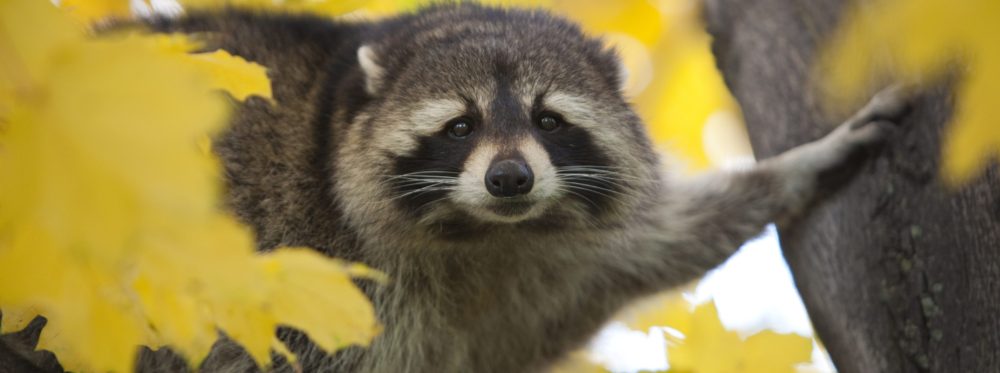
Interesting Raccoon Facts and Fun Trivia!

There are so many interesting and fun facts about wild raccoons and their young. As a nature lover, it is only expected to be an admirer of such evolved, intelligent, and thrifty critters. Their capabilities truly set them apart from the other species of animal that share their natural habitats. To learn more interesting and exciting information about the common raccoon, continue reading and indulge yourself in useful raccoon trivia, truths, and facts!

Let’s Get Started!

What is the Scientific Name for a Wild Raccoon?

Raccoons are scientifically referred to as Procyon Lotor. This is a Latin term that loosely translates into “washer dog”. This could be because raccoons use their hands to “wash or rinse” their food in water before consuming it. Although it is not proven that this is the reason why raccoons douse their food before eating it, it has been a source for naming the species over the ages. It dates back to old Native American slang that describes raccoons as “ones who rubs and scratches with its hands”.

What Do Raccoons Eat?

The diets for wild raccoons in nature differ from the diets of raccoons living in urban and metropolitan areas. Raccoons in nature tend to feed mostly on fish, amphibians, insects, worms, invertebrates, bird eggs, and plant material. They are excellent at fishing but will eat anything that is easily attainable and tasty. In comparison, wild raccoons in suburban territories have become accustomed to a different palette of food. Raccoons have become experts at surviving in residential and urban areas following commercial development and construction. They like to rummage through trash cans and dumpsters for scraps of food; as well as, steal outdoor pet food, garage inventories, and more. They have become very good at these tasks that have proven well for survival.

How Long to Raccoons Live?

Raccoons are meant to live full lives up to twenty or more years; however, this mostly depends on their environment, territory, and plain luck. Because raccoons are known as pests in residential and commercial neighborhoods, they can be the target of inhumane animal trapping and hunting. This can certainly take off a few years of their life. Also, environmental conditions can influence the life expectancy of a wild raccoon. Available food sources, weather, and more can all determine how long a raccoon can survive in the wild.

Some people are raccoon pet owners who have successfully domesticated raccoons. These “pet” raccoons can live up to 20 or 30 years in captivity. When considering all the environmental and influential elements that raccoons can face, on average they live to be about two or three years old; however, in the wild, this number can more than double depending on nearby predators and other threats.

Raccoon Removal Louisville

Call 502-553-7622 for prompt and professional raccoon removal in Louisville, Kentucky. With more than 20 years of experience, our technicians can provide a wide range of raccoon control services for all situations and properties. We are DNR licensed and insured, and committed to safe and humane raccoon removal and control. If you need Louisville raccoon control services for your residential or commercial property, call our office today at 502-553-7622 and get a free estimate in a matter of minutes!
A Raccoon on the Roof is Not a Good Sign

Raccoons are excellent climbers with nimble, dexterous paws, and they use these qualities to access rooftops in residential and urban areas. It is very common to spot raccoons on the roof at night, or just after sunset when it isn’t quite dark yet. This is the time of day when raccoons are either returning or leaving from wherever it is they are nesting. So this means if you see a raccoon on the roof, they are up to no good. Continue reading to learn why you might have raccoons on the roof, and how to safely and humanely get rid of them.

Raccoons and Roofs

If a raccoon is on a roof, it is most likely looking for a vulnerable area in the eaves or soffit to rip out and use as an access point to your attic. And if they are not looking for this, it is because they have already found it! Raccoons like to use these areas to create dens in order to breed and raise their young. Once their young is old enough to fend for themselves, they leave the nest to go look for one of their own. A raccoon on a roof is a blatant indication that you have raccoons in the attic or other area of your home that is accessible through the roof. And if you have raccoons on the roof and they haven’t access your home yet, they are looking to do so very soon. Raccoons don’t just climb for fun; they are either hunting, gathering, escaping danger, or looking for shelter. Don’t make the mistake of ignoring a raccoon on the roof!

In a little amount of time, raccoons can make a disastrous mess in your home. They tear down attic insulation to make nests and soil just about every surface area with droppings, birthing debris, and rotting food scraps. They also chew through electrical wiring, rip out floorboards and saturate ceilings with urine which causes stains and odors Needless to say, raccoons are capable of causing an extreme amount of structural damage and destruction if left alone.

Wildlife Rescue Services

Call a local wildlife rescue contractor for safe and humane raccoon removal services if you spot any on your roof or around your property. It is better to take precautionary measures rather than waiting for a disaster to fall into your lap. Never leave pet food outside, as raccoons love this and will return night after night for it; and always take your trash out the morning of garbage pickup day. These are just a few methods to keep raccoons off your property. Also consider having your siding, roof, windows, and doors inspected and properly sealed, as well as, installing motion sensor lighting outside to thwart raccoon activity.

Louisville Raccoon Removal

Call 502-553-7622 for professional raccoon removal and control in Louisville, Kentucky. We are highly trained and experienced, DNR licensed wildlife rescue and control contractors that can remove raccoons safely and humanely at a low cost to you. We also provide minor attic restorations and repairs for raccoon damages, as well as, raccoon prevention, and much more. Call 502-553-7622 if you see raccoons on the roof in Louisville, KY right away.

The Effects of Raccoon Grubbing

Raccoons are crepuscular foragers, meaning they primarily venture out at dusk to look for food. And as nocturnal animals, they remain active throughout the night and call it quits just before dawn. That is why they are hardly caught-in-action during their mischievous endeavors. Rummaged trash cans, missing garden vegetables, fallen roof shingles, and empty pet dishes are just a few common signs of raccoon activity, but there is another that is far more frustrating for property owners. Raccoon grubbing is another distinguishable habit performed by wild raccoons. It leaves behind a mess that is only fixable with plenty of grass seed and time.

Backyard Grubs

Grubs are nuisance larvae that live in the ground and feed off of grass roots. Not only do grub populations cause grass to wilt and brown, they attract nuisance raccoons. Raccoons love these juicy, protein-rich worms and will go to great lengths to acquire them. This means they will relentlessly pull back chunks of sod and dig through the soil and clay for one delicious bite. And since raccoons have dexterous human-like paws, their nimble fingers can easily rip through lawns and sift through dirt to find a tasty meal. It only takes one or two raccoons to tear up an entire lawn in just one night.

Fixes

There are a few ways to fix this problem. To repair your lawn, you will need good-quality grass seed, fertilizer, and patience. After routine watering and fertilizing, your lawn will eventually get back to normal. As for the raccoons, you should first try to eliminate all of the things on your property that attract them there in the first place, starting with the grubs.

There are several types of grub control products available at any local garden or hardware store. Choose based on your preference, but be sure it is compatible with your landscape. They are relatively inexpensive, ranging in price from $4 to $20, depending on the size and brand. Apply the product to your lawn and hope for the best. If you cannot get the grubs under control, it may be wise to contact a lawn care company for professional grub removal.

Other attractions to eliminate may include bird baths, pet food, bird seed, squirrel feeders, open gardens, garbage, sitting pools of water, and small places to hide. By getting rid of these common raccoon attractions, you can also get rid of raccoons. If you have a raccoon in the attic or other area of your home, you need to call a local wildlife control company for safe and humane raccoon removal. These companies call also offer prevention services and cleanup.

Raccoon Removal Louisville

Call Raccoon Removal Louisville at 502-553-7622 for DNR licensed raccoon control services that are both safe and humane. We never harm or kill raccoons, and neither should you! Instead, enlist the services of our licensed wildlife rescue contractors for non-lethal raccoon exclusion and control. We don’t just get rid of raccoons, we also provide cleanup services and minor attic restorations from raccoon damages. Call 502-553-7622 for raccoon removal and control in Louisville, KY and its surrounding counties.

Raccoon Removal Louisville Offers Attic Inspections and Animal Proofing Services for Fall

Fall is the perfect time of year to have your home and property inspected for animal invasion, as well as, vulnerable spots that could let animals in for the winter. At this time, many nuisance animals, including raccoons and bats, are looking for warm and safe shelters to hibernate and breed their young through the winter. If your home is located near wooded lots or forested areas, or you frequently spot raccoons and other wild animals around your neighborhood, then animal proofing is an important service to consider. This is because once animals use your property for a home for the winter, you can expect a huge mess to clean up, costly structural damages, and possible health hazards.

Fortunately, Raccoon Removal Louisville offers affordable attic and property inspects, animal-proofing services, and much more for the fall season. You can protect your home and your family from raccoon dangers with one simple phone call to us! You can reach our friendly and knowledgeable company representatives at 502-553-7622 to ask about our raccoon removal and control services we offer in Louisville, Kentucky.

Get Affordable Fall Raccoon Control Deals!

When you call our office, you can expect a warm hello and an abundance of helpful information. Our wildlife technicians are licensed by the Department of Natural Resources, so they are professionally certified and trained. They show up on-time, neatly dressed, and fully-equipped to work. We only use safe and humane, non-lethal methods to extract raccoons and prevent their return. We will also educate you on how to keep raccoons away by changing certain home habits. For example, you should not leave pet food or garbage cans outside, overnight. And consider installing motion sensor lighting to thwart nighttime animal activity around your house.

Louisville Raccoon Removal and Control

Stop a raccoon infestation before it can get out of control over the winter. Call Raccoon Removal Louisville at 502-553-7622 for attic inspections and raccoon-proofing services right away. We offer free estimates, as well as, minor attic restorations, minor repairs caused by raccoons, and more. Call 52-553-7622 and talk to a DNR licensed Louisville raccoon removal and control contractor about getting rid of raccoons in the attic this fall.

3 Steps for Preventing Raccoon Damages

Raccoons are capable of causing a significant amount of structural damages, and a longer list of other undesirable conditions, like odors, noise, clutter, droppings, and more. Structural damages can be costly, like insulation replacement and attic restorations. And raccoons can leave behind a huge mess of birthing debris, feces, urine, and rotting food scraps, which can all pose health problems to humans and pets.

For these reasons and more, it is important to do what you can to prevent raccoons from causing damage to your home. Continue reading to learn the three key steps to preventing raccoons damages altogether, around your home or property.

Raccoon Exclusion

The first step to prevent raccoon damages is to exclude raccoons from your home and surrounding property entirely. This is the best method for long-term raccoon control. Raccoon exclusion starts with professional raccoon removal services if you know there are already raccoons living inside your home or on your property. Professionals retain the proper licenses, training, and equipment to provide safe and non-lethal raccoon removal.

Modify the Surrounding Habitat

It is important to modify your property and surrounding habitat in order to keep raccoons away once they are removed. Modifications are meant to thwart raccoon trespassing by eliminating any sources of food or shelter. Remove any pet food or wildlife food (i.e. bird houses, bird seed, squirrel feeders, etc.), as well as, any sources of water (i.e. birdbaths, pet water bowls, standing water, etc.). Also, be sure to take your garbage cans out to the curb the same morning of trash pickup day. Leaving garbage cans unattended overnight is an open-buffet invitation for raccoons and more. You can also install motion-sense lighting, sound machines, and seal up any vulnerable or accessible openings in the exterior of the home, porch, and deck.

Hire Professional Raccoon Control Personnel

If you truly want to keep raccoons away for good, consider hiring a professional raccoon removal and control company for expert assistance you can trust. As mentioned, they have everything needed to provide a wide range of raccoon removal and control services in a safe and non-lethal manner. This includes exclusion, raccoon-proofing, raccoon cleanup, minor attic restorations, and more. They can provide these services both effectively and efficiently, finishing jobs in a time-frame that’s convenient for their clients.

Raccoon Removal and Control in Louisville, Kentucky

Call 502-553-7622 for professional raccoon removal and control in Louisville, Kentucky and its surrounding districts. We are DNR-licensed and insured raccoon removal contractors with decades of experience in the wildlife control industry. We offer residential and commercial raccoon control at the most competitive prices in town. Call 502-553-7622 to learn more about our Louisville raccoon removal and control services, today.

How to Keep Raccoons Out of the Chimney

Raccoons are known to use residential homes and commercial buildings to breed, nurse their young, and acquire shelter from inclement weather, predators, and more. One area that is a common target for raccoons is the chimney. Chimneys are often overlooked when implementing pest-proofing strategies for one’s home, especially if they are not used very often. But whether you are a regular fireplace user or not, it is wise to figure out an effective way to keep raccoons out of the chimney. Raccoons can cause costly structural damages to roofs and chimneys, as well as, carry parasites, spread infectious diseases, and pose several other types of danger to humans and pets. Continue reading for a guide to raccoon-proofing a chimney and who to call for expert advice or professional assistance.

Get Rid of Raccoons in the Chimney

Raccoons can block up the chimney flue with breeding debris, nesting materials, and more. If the flue is closed, animals cannot access the chimney; but, they may still reside on the roof causing shingle damages and perhaps gain entry into an attic space. This means simply closing the flue will not stop a raccoon problem entirely. For frequent raccoon sightings, it is important to outsource the services of a professional raccoon removal company for safe and humane assistance. Unblocking a chimney flue is just one service they will provide for raccoons in chimneys. After that comes raccoon education and preventative maintenance. Ask your local raccoon control technician for details about getting rid of raccoons in chimneys and other areas of a home or property.

As for chimneys, the best way to keep raccoons out of them while still being able to enjoy your fireplace from time to time, is to purchase a chimney cap. Chimney caps work great for preventing wild animal access into chimneys when the flue is open. They are designed to cover the openings of chimneys with a wire mesh, allowing smoke to escape but preventing raccoons from entering. Chimney caps come in two styles: inside mount or single flue. You must measure the perimeter of the inside and outside of the chimney so you can purchase a cap that fits. They are inexpensive, found at most hardware stores, and easy to install on your own. Keep in mind that they need to be replaced each season, as they will endure natural wear and tear, decreasing their effectiveness.

Raccoon Removal Louisville Kentucky

Call 502-553-7622 for prompt and professional raccoon removal and control in Louisville, Kentucky and its surrounding neighborhoods. We are DNR licensed and experienced raccoon removal technicians with more than 20 years of experience in the wildlife rescue and control industry. We remove raccoons from chimneys, attics, walls, crawl spaces, patios, decks, porches, garages, roofs, and much more! No matter where your raccoon problem is, our team is fully-equipped to solve it for you fast! Call 502-553-7622 for more information about our raccoon removal services in Louisville, KY today.

Reasons Why Dead Raccoon Removal is an Emergency

It is important to get rid of raccoons if they are frequent visitors to your property, and it is even more important to remove the ones that make it inside your home. Raccoons, although cute and clever, are unfortunately filthy and destructive. They can tear up lawns, damage woodwork and siding, rip off roof shingles, rip apart garbage cans, and much more; not to mention they carry infectious diseases that are harmful and potentially deadly to humans and pets, like Rabies and Parvo.

Live and active raccoons are a problem, but having dead raccoons in or around your home is an even bigger one. Continue reading to learn why dead raccoon removal is more difficult and why it is considered an emergency situation that calls for immediate attention by a licensed professional in the industry.

Dead Raccoon Removal

The problem with dead raccoons has to do with decomposition and pest problems. Many homeowners will make the mistake of excluding a raccoon from an area of their home, like the chimney, but this is a common mistake since most raccoons found indoors are nursing or raising offspring. Blocking a mother raccoon from entering back into a home solves one part of the problem, but there are still baby raccoons somewhere inside that will soon wander around, fall into air ducts and in between walls, and then die; eventually rotting, decaying, smelling, and producing maggot infestations. This is an even bigger project than simply removing the entire colony to begin with. This is why it is important to hire a licensed raccoon removal company for safe, humane, and effective service. They retain the proper tools, training, and resources to exclude raccoons all at once, and prevent their return. Some companies even offer minor attic and crawl space restorations for raccoon damage and droppings.

It is critical to have dead raccoons removed from a property as soon as they are evident or discovered. A dead raccoon will rot and smell, and eventually house thousands of maggots. This cleanup and restoration job will cost much more, and create an uncomfortable living environment for weeks at a time. A rotting carcass also houses diseases and bacteria that can be detrimental to our health and the health of any domesticated pets on the property. For these reasons and more, it is very important to have dead animals, like raccoons, removed from your property as soon as possible.

Raccoon Removal Louisville Kentucky

Call 502-553-7622 for DNR licensed raccoon removal in Louisville, Kentucky. We are highly trained and experienced raccoon control specialists that use only safe and humane methods to exclude or remove raccoons from residential and commercial properties. Our licensed contractors are happy to answer your questions about raccoon control and raccoon removal, anytime. Just call 502-553-7622 and speak with a Louisville raccoon removal and control technician about getting rid of raccoons in Kentucky, today.

Kentucky Trapping Rules for Raccoons

Raccoons are smart, agile, and interesting mammals. Although generally woodland and forest dwellers in this region of the country, wild raccoons are becoming more and more comfortable living among humans in urban, city, and rural areas. They have come to learn overtime that these areas offer plentiful sources of food and shelter. For this reason, raccoons have become more of a nuisance wildlife problem for home and property owners.

Raccoons cause structural damages to lawns and properties, and pose health risks for humans and pets. They are not a welcome visitor and for good reason. Not only can raccoons carry deadly and infectious diseases that can be transmitted to other mammals, they can attack or leave behind massive and costly messes in attics, sheds, garages, porches, crawl spaces, and more.

Furbearers in Kentucky

In Kentucky, raccoons are classified as “furbearers.” Under state law, if wild raccoons are damaging or harming a property, landowners or their tenants have the legal right to trap or take them at any time. Outside of one’s property, Hoosiers can obtain a hunting or trapping license and take raccoons during the appropriate season. This goes for all furbearers, including foxes, coyotes, skunks, beavers, opossum, muskrats, mink, and weasels.

The law mandates that all trapped furbearers must be relocated within the same county, or euthanized. A person cannot relocate and release a trapped raccoon on another person’s property without the permission of the actual property owner. It also decrees that any tenant or property owner that traps and relocates or euthanizes a wild raccoon for these reasons is legally obligated to report this catch to the Kentucky Department of Natural Resources (KDNR) within 72 hours of trapping.

If you have nuisance raccoons on your property, or somewhere within, call a licensed Louisville raccoon control service for safe and humane assistance.

Louisville Raccoon Removal

Call Louisville Raccoon Removal at 502-553-7622 for prompt and humane service you can trust. We are DNR licensed raccoon control contractors with decades of experience in the wildlife rescue and control industry. We offer a wide range of services, for both residential and commercial properties, all at the most competitive prices in town. Call 502-553-7622 for safe and humane raccoon removal services in Louisville, KY and its surrounding counties.

Emergency Raccoon Removal and Control 502-553-7622

When is a Rabies Vaccination Necessary for Humans?

Rabies vaccines are common occurrences for domesticated pets like dogs and cats. But rabies vaccines are also important for humans as well. As for humans, rabies vaccines are meant to protect anyone who is at risk to contracting the virus. Even after exposure, a rabies vaccination can be given to a human for added assurance and protection. Continue reading and learn who in particular should be getting rabies vaccinations and why.

Rabies Vaccines

One interesting fact about rabies vaccines is that they are actually made from exterminated rabies virus. But, not to worry, they cannot cause a person or animal to contract rabies. Rabies vaccinations for children and adults are inexpensive and can be outsourced at any local clinic or medical office. Families can also contact passport health clinics and speak with health travel medical specialists about receiving vaccinations for the rabies virus. Here is a list of people and circumstances that would require a rabies vaccination:

Vocational Circumstances:

• Spelunkers and Cave Explorers
• Veterinarians
• Animal Handlers
• Animal Control Personnel
• Rabies Laboratory Staff
• Rabies Biologic Production Personnel
• Zoo Keepers
• Exotic Pet Breeders

Situational Circumstances

• Frequent International Traveling
• Traveling to 3rd World Country
• Bitten By Potentially Rabid Animal
• Potential Exposure

Pre-Exposure Rabies Vaccination Schedule

• Three Doses Total
• 2nd Dose Administered 7 Days Following First Dose
• 3rd Dose Administered 21-28 Days Following First Dose

Post-Exposure Rabies Vaccination Schedule

• Four Doses Total Plus One Additional Shot
• 2nd Dose Administered 3 Days Following First Dose
• 3rd Dose Administered 7 Days Following First Dose
• 4th Dose Administered 14 Days Following First Dose
• Additional Shot of Rabies Immune Globulin with First Dose

Post-Exposure Rabies Vaccination Schedule for Someone Previously Vaccinated

• Two Doses Total
• 2nd Dose Administered 3 Days Following First Dose
• Rabies Immune Globulin Dose Not Necessary

To best avoid potential exposure to the rabies virus, it is important to avoid contact with wild animals. This includes injured or orphaned ones. If you have raccoons on your property, contact a local animal control service to have them safely and humanely removed.

Raccoon Removal Louisville Kentucky

Call 502-553-7622 for professional raccoon removal in Louisville, Kentucky. Our DNR licensed raccoon control contractors are highly trained and retain all the latest technologies and resources to safely and humanely extract raccoons from your property and relocate them to a faraway habitat. We offer free estimates, information, and advice, as well as, residential raccoon control and commercial raccoon control services. Call 502-553-7622 for raccoon removal and control services in Louisville, KY and its surrounding areas.

What are Oral Rabies Vaccines?

The U.S. Department of Agriculture’s Animal and Plant Health Inspection Service, as well as, their Wildlife Services department have been working together or many years to overcome the rabies epidemics plaguing our pets and animals in our nature’s wildlife. For this reason, over the past few decades many states have utilized oral rabies vaccines (ORV’s) in an attempt to control the spread of the rabies virus among their local wildlife. These oral vaccines come in a few different forms, which we will discuss further in this blog. Continue reading to answer your question about oral rabies vaccines, their effectiveness, and how they work.

Oral Rabies Vaccinations

The intention of oral rabies vaccinations is to provide a vaccine for local wildlife that is at risk of contracting or spreading the rabies virus. Many states have participated in this approach to vaccinating wild animals, and have seen positive results. These oral vaccinations come in a variety of forms and are generally distributed in bulk by dropping them from airplanes or manually placing them all about. They are left on the ground for wildlife to consume, like skunks, raccoons, foxes, coyotes, and more.

One of the most common forms or ORV’s are made into flavored pellets. These pellets are generally the size of a small ring box and brown in color. They are manufactured with many different scents or flavors, like fish or lard, to attract wild animals to eat them. On the pellets is a stamp from the local health department and a phone number for questions and concerns. Other ORV’s come in the form of a packet that looks similar to a white ketchup packet. These packets are covered in fishmeal that help attract raccoons and other animals to eat them.

Many states have adopted this form of vaccination because it has shown positive results. Places like San Antonio, Texas have used the “ketchup packet” ORV approach, while many other states like Main, New York, Virginia, New Hampshire, Tennessee, have used alternative ORV methods that work equally as well. All of these oral rabies vaccines have been tested several times over the decades on hundreds of animals, and has proven to be non-toxic to dogs, cats, and more. If a dog or cat consumes an ORV, they will be just fine. If they consume many, they may have an upset stomach and need a trip to a veterinarian.

Raccoon Removal Louisville Indiana

Call 502-553-7622 for fast and friendly raccoon removal services in Louisville, Kentucky. We are DNR licensed and insured wildlife control technicians with decades of experience removing raccoons from commercial and residential properties. We only use safe and humane means to extract raccoons and prevent their return. Call 502-553-7622 for free estimates, advice, and more information about Louisville raccoon control, today.