Conflicts between Raccoons and Humans

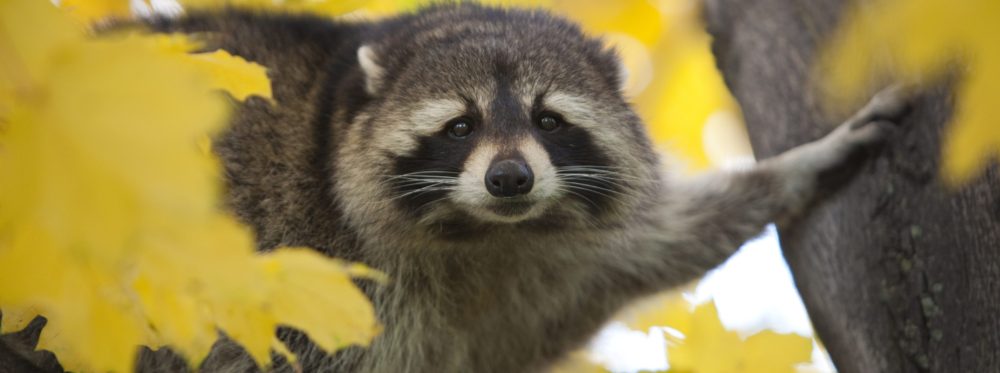
Raccoons are a familiar species of mammal here in the states. They are easily distinguishable with their black masks, human-like paws, and big bushy striped tails. Their distinctive features even make them attractive to us, especially as young pups. For this reason, many people are choosing to domesticate raccoons and make them pets!

But there is another side to the relationship we humans have with wild raccoons. There has been a long-time struggle to control the nuisances they can cause in residential and suburban areas. Continue reading to learn more about these struggles, and the common trouble’s raccoon’s cause for us and our homes.

Raccoon Problems in Suburban Neighborhoods

The problem with raccoons, when it really comes down to it, is that they are highly intelligent and persistent creatures. Their intellectual capacity and their ability to remember are extraordinary compared to all other nuisance wildlife. On top of these qualities, raccoons also have very dexterous, human-like hands that allow them to easily grasp, pry, pull, tear, climb, and much more. This combination succeeds in making a threatening nuisance animal. As for residential and suburban neighborhoods, raccoons are considered a problem for the mess and destruction they are capable of producing.

During cold seasons, but even warm ones too, raccoons will search for shelter to breed their young. The problem with this is that raccoons’ versions of shelter include our homes, attics, crawls spaces, porches, patios, sheds, garages, and several other areas of our properties. Once raccoons fund entry into one of these spaces, which they are really good at doing, they will make a huge mess. Their urine, droppings, and birthing debris will take over the entire surface area of the space they are using; and worse, these wastes seep through drywall, ceilings, and walls, leaving behind hideous stains and odors in the visible living quarters of our homes. Attic insulation often times gets torn down and used as nesting, and everything else gets used as a bathroom. Leftover food decays and rots, causing additional pest control issues like fruit flies, maggots, flies, and more. These repairs and messes can cost a lot of money to fix. Structural damages might require whole re-roofing projects, attic repairs, drywall repairs, floorboard replacement, and much more. As you can see, raccoons pose a huge problem for home and property owners. Fortunately, there is a way to combat these threats.

If your home or property is located in an area with a thriving raccoon population, it is wise to implement certain raccoon-proofing strategies that can save you a substantial amount of time and trouble down the line. These preventative maintenance methods include the following:

• Do not leave pet dishes or pet food outside or in the garage
• Install exterior automatic lighting or sprinklers
• Do not take garbage out the night before trash pickup
• Have property inspected for vulnerabilities and seal them
• Lock garage doors and patio doors at night
• Avoid bird feeders and bird baths on property
• Lock doggy or pet doors at night
• Contact a local raccoon removal and control service for professional assistance and advice

Raccoon Removal Louisville

Call 502-553-7622 for prompt and professional raccoon removal and control in Louisville, Kentucky. We are highly trained and DNR licensed raccoon control specialists that only use safe and humane methods to get rid of raccoons. We provide a wide range of services for residential and commercial properties. Call 502-553-7622 for affordable and fast raccoon removal services in Louisville, KY.

Six Reasons Why a Baby Raccoon Might Be Orphaned

It is common, especially in the springtime, to come across an orphaned baby raccoon or raccoons. In the months of March, April, and May, mother raccoons are generally birthing their young pups since the weather is warming up and the likelihood of survival is higher. However, during this time, people who live near forests or wooded areas might find a baby raccoon that seems to be lost from its colony and its mother.

If you ever spot an orphaned or baby raccoon on or around your property, contact a local raccoon removal service right away. Never attempt to touch, capture, trap, or hold a baby raccoon. They could be infected with contagious diseases, or not orphaned from their mother at all. It requires the licensing, permits, training, and proper resources of a professional to safely and humanely remove raccoons, orphaned or not. Continue reading to learn why you might have seen a baby raccoon without its mother, and the most common reasons why raccoon pups become orphaned to begin with.

Raccoon Pups

Raccoon pups are very small in their first few weeks of life. In fact, they are born with their eyes still shut. Even when their eyes open for the first time, they are still not un-weaned from their mother’s milk. They are irresistibly adorable and cute-looking, which is why many raccoon pups are kidnapped from their natural habitat and made to be house pets for people who do not understand the importance of raccoons living in their own environment. Just because a baby raccoon is not with its mother does not always mean it is abandoned. Once baby ‘coons open their eyes, they begin to wander out with their mother while she hunts for food. If the mother takes a detour, or goes somewhere the baby cannot, it may look like the pup is alone or abandoned, but they are simply waiting for their mother to return from her duties. Keep this in mind next time you spot one and feel the urge to take it home. Don’t do it!

Here are the 6 most common scenarios of why raccoon pups are orphaned, abandoned, or alone:

1. Family Dog Finds it and Decides to Bring it Home

2. Mother is Missing, Dead, Trapped, or Gone

3. The Den Site Was Destroyed or Disrupted

4. Mother is on the Move (either for food or from predators) and Open-Eyed Baby is Waiting for Her Return

5. Den Site is Too Warm During the Day and Pups Need a Breather

6. Predators Found the Den Site and Baby Pup Managed to Escape or Left Behind

Contact a local Louisville Raccoon Removal company for safe and humane raccoon control services. They can remove baby raccoons and relocate them to a faraway and safer habitat. They retain the proper tools, licenses, and training to perform any raccoon removal and control service for residential and commercial properties.

Raccoon Removal Louisville Kentucky

Call 502-553-7622 for prompt, safe, and humane raccoon removal in Louisville, Kentucky. We are highly trained and licensed wildlife removal contractors that specialize in raccoon control. We offer a wide range of services, from raccoon cleanup to minor attic renovations and repair, raccoon-proofing, and more. Call 502-553-7622 for a free estimate regarding raccoon removal and control in Louisville, KY today.

Now is the Time to Beware of Potential Raccoon Infestations

Winter is around the corner, and Fall is already upon us. This means that hibernating, or breeding mammals are looking for safe shelter until Spring is here again. In suburban or city areas, raccoons and other animals are forced to find shelter in residential and commercial properties due to land over-development and lack of outdoor space. So this time of year is when most raccoon infestations begin.

Because raccoons are so intelligent, they are very capable of remembering where dominant food sources are located, and how to gain access into a warm and cozy environment. Continue reading to learn how to combat this problem with effective preventative maintenance and raccoon-proofing strategies for your home or office.

Raccoon-Proofing

Raccoon infestations can cause an excessive, smelly mess of urine, breeding debris, and droppings, as well as, extensive structural damages and more. A messy raccoon infestation calls for a professional animal removal service that specializes in raccoons. They retain the proper tools, equipment, licensing, and training to accurately assess a raccoon problem, and render safe, effective, and humane raccoon control services. This is what you should do if you suspect you already have a raccoon infestation in your attic, crawl space, walls, or outdoor area of your property.

In order to prevent raccoons in the attic, or any other type of raccoon infestation or problem, implement some easy DIY techniques to thwart wildlife from trespassing onto your property. For example, remove all pet food dishes from outside. Pet food, bird seed, and gardens are all huge attractions and treats for raccoons and other wild animals. Remove bird feeders and pet food, and you have begun the journey to a raccoon-free life.

Also, never take your garbage outside to the driveway the night before trash pickup. Raccoons are scavengers and will rip through all your garbage for scraps of food and nesting material. This means you wake up to a huge mess in your driveway, plus a guarantee return from your new four-legged friends. They will remember your yard as a food source and return for more. By removing these attractions, you can make raccoons lose interest in your property. Last, have a professional Louisville raccoon removal company implement professional inspection and sealing services to ensure your home is free from vulnerabilities that would allow raccoons to gain entry inside. Things like broken doors, hinges, loose roof shingles, and more can be fixed to prevent accessibility.

Louisville Raccoon Removal

Call 502-553-7622 for professional raccoon removal services in Louisville, Kentucky. We are highly trained and DNR licensed Louisville raccoon removal contractors with decades of experience in the industry. We offer a wide range of services for raccoon control and raccoon damages. We also offer free estimates, emergency services, and more. Call us at 502-553-7622 and speak with a live and friendly raccoon control specialist about raccoon removal in Louisville, KY and its surrounding counties.

Do Raccoons Hibernate?

Before asking ourselves if raccoons hibernate or not, let’s discuss what hibernation actually means and what it entails. When a mammal hibernates, they go into a deep sleep for the duration of winter and cold months. During this time, their body temperature drops and physical activity comes to a stop; lowering their heart rates and preserving energy. When comparing this behavior with the habits of the raccoon species, you will see that they do not actually hibernate. Instead, raccoons show signs of lethargy or torpor during colder seasons.

Raccoon Hibernation

During winter in colder regions of the country, some raccoon species will partake in behaviors similar to hibernation, but not hibernation at all. They may take up and stay in their dens for several weeks at a time; sleeping or remaining stagnant, lowering their body temperatures and heart rates too. They may only venture out a few times a week to hunt for food and find water. This is similar to a habit called torpor, and is what bears essentially do.

In milder regions of the country that still experience snow and winter months, raccoons will also seek shelter for extended periods of time. Local or urban raccoons will seek out shelter in residential or commercial properties, while raccoons in nature will find dens or burrows to live in. They come out a few times a day or week to find food and water, because without food, they can lose up to half of their body weight in a winter’s time. This is why raccoons eat a larger amount of food in late summer and throughout fall. They do this to store body fat as protection against harsh elements and scarce food sources in the winter.

Raccoons in the winter are common nuisances to home and property owners located near wooded areas. This is because raccoons use vacant buildings, attics, sheds, crawl spaces, garages, porches, and more as shelter during harsh winter climates. If raccoons cannot find a hollow tree, log, or old animal burrow, they will search for warmth and protection in our homes! This is where a licensed Louisville raccoon removal specialists can help. They retain the proper tools, resources, and training to safely and humanely remove raccoons and prevent them from coming back.

Raccoon Removal Louisville Kentucky

Call 502-553-7622 for prompt raccoon removal in Louisville, Kentucky today. We are highly trained and DNR licensed raccoon removal specialists with decades of experience in the wildlife rescue and control industry. We provide a wide range of raccoon control services for residential and commercial properties in Kentucky. We offer free estimate, 24 emergency services, and the most competitive prices in town! Call 502-553-7622 for licensed and insured raccoon removal services in Louisville, KY and its surrounding counties today.

Raccoon Diseases and Parasites

Just like all other mammals all across the globe, raccoons are susceptible to disease, illness, and parasites. In fact, raccoons can be subjected to almost any disease a human can be subjected to, and vice versa. This is why we humans must steer clear of wild animals at all costs (no matter how cute and cuddly they appear), and to also prevent wild animal encounters involving our beloved pets. Any wild animal can be infected or be a carrier of disease or illness. Even if you are sure an animal will not attack (which you can NEVER be sure of, by the way), a bite is not the only way a diseased animal can pass along their sickness.

So always keep your distance from a wild animal; even if it’s injured, trapped, or just a baby. Instead, contact a local wildlife rescue and control service for professional and safe assistance. They retain the proper licensing, equipment, tools, and training to safely and humanely remove or help a wild animal. Wild animals such as mice, rats, bats, raccoons, opossum, birds, snakes, rabbits, deer, and more are all common carriers of diseases and parasites. Health consequences can range from death or congestive heart failure, to a simple common cold. Continue reading to learn more about raccoons and the illness they can carry and pass on to humans and pets.

Rabies

Rabies is one of the most familiar diseases associated with wild raccoons. It is also one of the most serious illnesses that can be passed on to humans, cats, dogs, and other mammals. Raccoons can carriers of the disease and never once show a sign or symptom; while many others become infected and soon die from the disease. This is because Rabies incubates within an animal for quite some time before taking over, if at all. Signs of rabies in a raccoon include erratic behavior, walking around during the daytime hours, shaking or convulsing, foaming at the mouth or drooling, wobble-like walking, heightened aggression, and any other form of strange or questionable behavior. If you, your pet, or a loved one has come into contact with a raccoon that may have rabies, seek medical attention immediately. It is strongly encouraged to have your pets vaccinated annually, as well.

Distemper

The second leading cause of death for raccoons is distemper. Canine distemper and feline distemper can both infect and kill wild raccoons, but are both caused by different viruses. The canine distemper illness is extremely contagious and mostly affects larger raccoon colonies. Once infected, the illness starts off slow and begins to affect the respiratory system. Watery eyes and running noses are common signs of this illnesses. Other signs include pneumonia-like symptoms, diarrhea, thin body, aimless wandering, disorientation, and paralysis. It is spread through contact of bodily fluids, as well as, inhalation or digestion of airborne droplets. Unfortunately, there is no treatment for Distemper. This is why preventative maintenance is vital in order to protect yourself and your pets.

Roundworm

Raccoon roundworm is a common parasitic disease that is highly contagious and easily transmitted. It is transmitted through the eggs in feces. Coming into contact with anything that has had contact with infected raccoon feces faces infection as well. These roundworms are found in the large intestine of raccoons. It can be passed from animal to animal, or animal to human. This is another reason to steer clear of wild raccoons!

Louisville Raccoon Removal Services

Call 502-553-7622 for professional and punctual Louisville raccoon removal services for all Kentucky counties. We are highly trained and DNR licensed raccoon control specialists with decades of experience in the wildlife removal industry. We use safe and humane methods to extract raccoons, and never harm or kill them. We offer free estimates, free advice, raccoon information, and 24 hour emergency services! Call 502-553-7622 for licensed raccoon removal and control in Louisville, KY and its surrounding counties.

Signs of a Raccoon Infestations Indoors

When raccoons invade our personal spaces, they can quickly become a costly nuisance. If you believe you have a raccoon infestation in your home, it is strongly encouraged to immediately contact licensed animal removal authorities for safe and humane extraction services. They retain the proper equipment, knowledge, and industry training to safely remove raccoons from your home without jeopardizing the rest of your property. Continue reading to learn how to identify a raccoon infestation, and who to call for reliable and effective raccoon control services.

Raccoon Control

There are several indications that point to raccoon invasions. Attics, crawl spaces, garages, rooftops, sheds, and beneath porches are all favorite hiding places for wild raccoons. These areas are the ones you want to pay attention to first. Look for signs of property damages, missing household items, strange odors, and anything else out of the ordinary. Here is a more complete list of signs that suggest you may have a raccoon in your home or office:

• Strong Foul Odors
• Torn Drywall
• Animal Droppings
• Food Scraps
• Scattered Garbage
• Strange Noise at Night
• Missing Items
• Ripped or Soiled Insulation
• Missing Pet Food
• And More

If you have a raccoon in the attic, or anywhere else on your property, you need professional raccoon removal promptly. The longer a raccoon colony, or even just one raccoon, is in your home, to more damages will accrue and the repair and restoration costs will increase. Be sure to choose a licensed Louisville Raccoon Control service that has an accomplished and respected reputation in your home town. They should be able to offer free estimates without tacking on hidden fees or surprise costs. Ask about current specials, applicable discounts, and complimentary services so you know you are getting the best deal around.

Louisville Raccoon Removal and Control

Call 502-553-7622 right away for superior and affordable raccoon control services and solutions in Louisville, Kentucky and its nearby counties. We are DNR licensed and insured animal removal specialists that have specialized in raccoon control for more than 25 years! We offer a wide variety of services; such as raccoon cleanup, minor attic and crawl space restorations, residential and commercial services, raccoon-proofing and prevention, home inspections, and much more. We also offer free estimates, coupons, discounts, and emergency raccoon removal. Call 502-553-7622 and speak with a live raccoon removal and control technician in Louisville, KY about getting rid of raccoons, today.

3 Tips That Will Protect Your Home from Raccoons

There are countless stories talked about all over the nation regarding wild animal damages and raccoon infestations in residential neighborhoods. Raccoons are intelligent and fascinating creatures, but unfortunately, they are highly capable of property damages and destruction. Many people wonder how they got stuck with a raccoon problem in the first place. Everyone wants to know why raccoons are trespassing onto their properties, and what they can do to get rid of them. The bad news is that raccoons are prevalent and are not going away any time soon; but the good news is that there are three magical tips that can truly prevent wildlife trespassers at night. Continue reading to learn what these three tips are, and who to call on for professional raccoon removal and control in your town.

Garbage Cans and Waste Containers

One of the main reasons why raccoons visit a property over and over again, is that they are intelligent and capable of remembering where all the neighborhood food sources are located. This means homes with amply-filled garbage bins, trash cans, and waste containers. Yes, we like to bring our trash cans out to the driveway the night before trash day; however, this is like placing an open invitation for raccoons and other wildlife to come and dine for free. Not only should you not take your garage out too soon, you should remove all outdoor trash receptacles altogether. Patio trash cans and waste containers can also attract nuisance wildlife to a property. Just remember that our garbage is their best meal. Take this away from them, and they will begin to look for food elsewhere.

Pet Food

One of the other main reasons why nuisance wildlife becomes a frequent problem for homeowners has to do with pet food. It is highly recommended to remove any outdoor pet food from your property. This includes bags of pet food stored in a garage or shed, outdoor dog or cat dishes, and even squirrel and bird feed. All of these foods are the ultimate jackpot for raccoons. Dog and cat food is a tasty treat, and if raccoons find a home with a consistent supply, they will return night after night for more.

Sealing Access Points

One of the most important and effective ways to prohibit wild raccoons from entering your home is to have its vulnerable and weak spots sealed. This means hiring a professional Louisville Raccoon Control company to repair any cracks or crevices in doors, windows, gates, garages, and more. It also means having rooftops and shingles inspected, sealed, and replaced to remove openings and access points. Raccoons have very dexterous paws that allows them to easily open or pry things. Making sure there is nothing to pry open in your home is a safe way to ensure wildlife cannot get inside.

Louisville Raccoon Removal

Call 502-553-7622 for professional Louisville raccoon removal services today. We are highly trained and DNR licensed raccoon control specialists with decades of experience in the wildlife removal industry. We offer a wide range of services for residential and commercial properties; including raccoon removal, control, prevention, proofing, cleanup, attic restorations, and more. Call 502-553-7622 and receive the most accurate and professional raccoon removal services in Louisville, KY today.

Will a Wild Raccoon Attack?

Although becoming more popular to domesticate these days, raccoons are wild animals by nature. No matter how friendly-looking or tame a wild animal appears, you can never be too sure if it will turn on you and attack. Many residential homeowners spot raccoons on their properties, in search of food and shelter. This can make a person very uneasy and ask the question, “Will a raccoon attack?” It is understandable for people to be worried once they see raccoons or other wild animals frequenting their property night after night. Families with young children and pets are especially timid on the topic of wild animal attacks. So what do you do if you see a raccoon on your property? Will it attack and harm you? Continue reading to find out!

Reasons a Raccoon Might Attack

There are several reasons explaining why raccoons attack people and pets. It is not unlikely for a raccoon to become aggressive and lunge at other animals and humans. Because raccoons are known carriers of various illnesses and diseases, no one ever wants to be bitten or scratched by one. Some of the most common reasons a raccoon will attack or become aggressive include mother raccoons nursing her young. If a dog happens to find a female raccoon with a little of pups, she may act defensively in order to protect her brood. Many dog injuries caused by raccoons happen this way.

Provoking or teasing a raccoon is another common reasons why these animals attack people and pets. Another nosy dog, a petty stray cat, or a group of children can easily provoke a raccoon into self-defense mode; which can lead to an attack or injury. It is important to steer clear when you see a wild raccoon. It is highly advised to simply keep your distance while making smooth slow movements towards indoors. Never try to catch or trap raccoons; this is typically illegal in most states anyway. Also, never try to touch or pet a raccoon. No matter how cute and cuddly a group of a baby raccoons look, never try to take them in or hold them. Most often, the mother coon is right around the corner!

If you are experiencing problems with raccoons on your property, contact a professional wildlife removal company for assistance you can trust. Be sure they are licensed and experienced in raccoon removal and control. Consider implementing some raccoon-proofing strategies with them as well to prevent raccoons and other wildlife from trespassing on your property again.

Raccoon Removal Services – Louisville, KY

Call Raccoon Removal Louisville at 502-553-7622 for superior raccoon control services in Kentucky. We are highly trained and DNR licensed raccoon removal specialists with decades of experience in the animal control industry. We only use safe and humane methods of raccoon extraction, and provide a wide range of commercial and residential services for raccoon control and prevention. Contact us today at 502-553-7622 and receive a free estimate for raccoon removal in Louisville, KY and its surrounding counties.

Do Not Make a Wild Raccoon Pup Your Pet

There are so many reasons why wild raccoons do not make good pets for adults and children alike. A wild animal is a wild animal cannot be domesticated easily. Only trained wildlife professionals and rescue enthusiasts like zookeepers, are the only people that should ever domesticate wild raccoon or any other animal. There are some reasons why raccoons are not good pets even though many people have turned raccoon pets into a trend. This is unfair for wild raccoons because they are meant to be free and in the wild. If you happen to run across the wild raccoon pup, a baby raccoon, you should never touch it or come close to it. There are several reasons for this as well.

Raccoons, or any other wild, can be carriers of dangerous contagious diseases. Rabies is always the first disease that people think about when it comes to wild animal diseases. This is accurate because rabies is a very common disease found in raccoons and other wild animals. On top of rabies, there are other infectious diseases, such as:

• Canine Distemper
• Leptospirosis
• Parvo
• Canine Hepatitis
• And Other Viral in Bacterial Diseases

It doesn’t stop here. There are other reasons why you should never touch or take in a stranded baby raccoon. First of all, the baby raccoon may seem like it is stranded; however, the mother raccoon may be in search of it. Also, there may be a reason my baby raccoon is all by itself. This means it may have been left behind purposely because it’s sick or dying.

Another reason why pet raccoons are problematic is the lack of domestication over the past 20 centuries. Dogs and cats have been domesticated for thousands of years which is why they make great pets. It is ingrained in their natural instincts to be trained to obey and assist their masters. While raccoons on the other hand, will never cease their natural instincts to do what wild animals do. This means they are likely to tear apart pillows and couch cushions to nest and, as well as, use your property as toilet. All of this behavior is likely to be out of your control as well. Raccoon domestication is not recommended by wildlife rescue professionals, as well as, wildlife control specialist. If you ever find a stranded raccoon, the baby or not, contact a professional raccoon removal service immediately. They retain the proper equipment, training, knowledge, and tools to safely inhumanely remove the raccoon and relocated to a safer habitat.

Call Raccoon Removal Louisville at 502-553-7622 for more information about raccoon control services in Kentucky. We are highly trained and DNR licensed to facilitate several raccoon control services; such as raccoon removal, prevention, animal proofing, raccoon cleanup, property inspections, and much more. Contact Raccoon Removal Louisville 502-553-7622 today if you have raccoons in the attic or on your property in Louisville, Kentucky and its surrounding counties.

How to Find a Reputable Pet Raccoon Breeder

Pets are a very important part of our lives. Dogs, cats, birds, bunnies, and more are common species of animal we domesticate for the sake of love and companionship. Although these standard household pets are loving and adorable, some families prefer something more exotic. For many, pet raccoons are a wonderful and delightful addition to their families. It is easy to domesticate a baby raccoon so long as you seek our proper guidance and veterinary services. Raccoons are smart, funny, and loving mammals capable of developing loving relationships with their owners. They can even be litter box trained and taught to obey commands.

If you have made the decision to adopt a baby raccoon, be sure to find a reputable and trustworthy breeder. It is important to look for several qualifications and credentials when researching different pet raccoon breeders. Continue reading for tips and advice on how to find a reputable pet raccoon breeding service in your city or state.

Local Raccoon Breeders

Before making the decision to adopt a baby pet raccoon, have you checked to make sure your state allows it? If it does, hooray! If it does not, then think twice about breaking this law. As a warning, there are typically harsh fines and penalties for people who domesticate illegal exotic animals. When it comes to finding a breeder to adopt a pet raccoon from, it is a good idea to look in the same state you live in, or an adjoining state that also allows the breeding, sales, and domestication of pet raccoons. If you find a breeder selling baby raccoons in a state where raccoon domestication is illegal, then the breeder is not a trustworthy source.

Look for true professionals with a sincere passion and extensive experience in the world of raccoons and wildlife. They will have the best advice, referrals, and selection of pups you can find. Once you find a breeder, be sure you are well-informed on how to care for a baby raccoon, as well as, well-prepared to care for an adult raccoon after it grows up. These are all things to consider and discuss with your local raccoon breeder. Here are some more things to look for in a reputable raccoon breeder once you’ve decided to adopt a pet raccoon:

• Experience
• Licensing
• Certifications
• Passion for Wildlife
• Well-Maintained Premises
• Healthy Raccoon Pups
• Good Reviews
• Proper Permits
• Proof of Documentation
• Knowledge of Raccoons
• Clean Bill of Health for Pups
• Additional Services for Raccoons

Be sure your local raccoon breeder is making the right moves as a legit breeder. They should be able to show proof of licensing, and should be practicing their services in an accommodating state or county. Feel free to interview several different breeders and compare your options. Don’t take raccoon adoption lightly; it is a delicate search process that deserves comprehensive research and requires patience and moral behavior. Take your time to find the perfect addition to your furry family.

Although pet raccoons are adorable and entertaining, wild raccoons are not. If you are experiencing a Louisville Kentucky raccoon problem on or within your property, be sure to act fast. Call Raccoon Removal Louisville at 502-553-7622 for free information or emergency raccoon control services and more. We are highly trained and DNR licensed raccoon control specialists with decades of experience removing raccoons safely and humanely. Visit our website at https://www.raccoonremovallouisvilleky.com for details about our services and company background. We never harm or kill raccoons, and only use safe and effective procedures to extract them and prevent their return. On top of raccoon removal, we also provide a wide range of additional services; such as attic restorations, raccoon cleanup, inspections, raccoon prevention, consultations, commercial work, emergency services, free estimates, discounts, and more. Call 502-553-7622 and talk to a licensed raccoon control technician about getting rid of raccoons in Louisville, Kentucky once and for all.