Hearing Thumps in the Attic? A Guide to Winter Raccoon Control

As the temperatures drop across the Bluegrass State, we aren’t the only ones looking to stay cozy indoors. While a fire in the fireplace or a warm blanket makes winter bearable for us, our local wildlife is seeking similar comforts. Unfortunately, for many Kentucky homeowners, this search for warmth leads raccoons straight into attics, chimneys, and crawl spaces.

Hearing the heavy thumping of a raccoon overhead isn’t just a nuisance that keeps you awake at night; it is a stressful situation that poses real risks to your property and health. Raccoons are intelligent, persistent, and capable of causing significant damage in a short amount of time.

Navigating wildlife control requires a balance of empathy for the animal and a firm commitment to protecting your home. Whether you have already spotted a masked bandit near your trash cans or suspect one has moved into your eaves, understanding their winter habits is the first step toward a solution.

This guide will walk you through raccoon behavior during Kentucky winters, legal prevention methods, and when it is time to call in an expert.
Call 502-553-7622 for Professional Winter Raccoon Removal in Louisville Kentucky

Understanding Raccoon Behavior in Winter

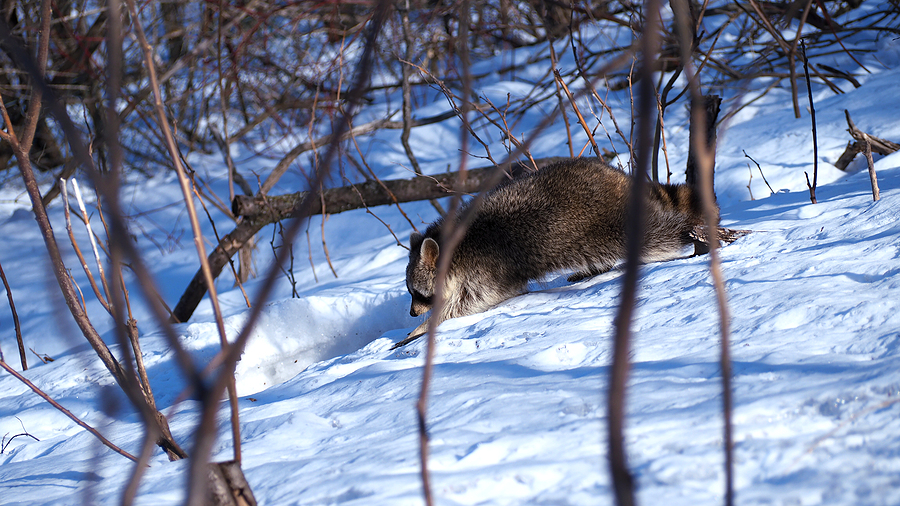
A common misconception is that raccoons hibernate during the cold months. While bears might sleep the winter away, raccoons in Kentucky remain active, though their behaviors change significantly to conserve energy.

Raccoon Hibernation

No, raccoons do not true hibernators. Instead, they enter a state called torpor. According to the National Park Service, torpor is a period of inactivity where an animal sleeps for days or weeks at a time to survive extreme cold. During this state, they slow down their heart rate, breathing, and metabolism.

However, unlike true hibernation, raccoons can wake up quickly. On milder winter days in Kentucky, you might still see them foraging for food. This biological need for a safe, temperature-controlled environment during torpor is exactly why your attic—with its insulation and protection from the wind—is so appealing to them.

What Raccoons Look For

In the wild, raccoons seek out hollow trees, ground burrows, or brush piles. In suburban and urban areas, our homes mimic these structures perfectly. They are looking for:

  • Warmth: Heat rising into the attic makes it a tropical getaway compared to the freezing outdoors.
  • Security: Mothers may be looking for a safe place to eventually rear young (though birthing season is typically later in spring).
  • Food proximity: Access to pet food left on porches or unsecured trash cans.

Prevention Strategies: Fortifying Your Home

The most effective way to handle a raccoon problem is to stop it before it starts. Exclusion techniques are designed to seal off your home from unwelcome visitors.

Inspect and seal entry points

Raccoons are incredibly dexterous and can squeeze through surprisingly small openings. You should inspect your home’s exterior for any gaps. The University of Kentucky Cooperative Extension Service recommends installing one-fourth-inch wire mesh (hardware cloth) over attic, roof, and crawl space vents. This material is sturdy enough that raccoons cannot easily chew through it.

Cap your chimney

An open chimney is an open invitation. Raccoons are excellent climbers and view chimneys as hollow trees. Installing a professional-grade chimney cap is one of the single most effective animal deterrents you can invest in.

Remove attractants

You must make your property less appealing to foraging animals.

  • Secure trash: Use heavy-duty bins with locking lids or keep trash inside a garage until pickup day.
  • Pet food: Never leave dog or cat food outside overnight. This is a primary draw for raccoons.
  • Yard maintenance: Clear brush piles and trim tree branches that hang over your roof, as these act as bridges for raccoons to access your upper levels.

Book Emergency Raccoon Removal Service in Louisville

Safe and Legal Raccoon Removal Methods

If a raccoon has already established a den in your home, eviction becomes more complicated. In Kentucky, wildlife is a public-owned resource protected by state laws, but homeowners do have rights when damage is occurring.

Kentucky Wildlife Laws

According to Kentucky Revised Statute KRS 150.105, landowners are permitted to control animals that are causing damage to their property. However, this must be done within the confines of the law.

  • No pets: It is illegal to keep high-risk rabies wildlife, including raccoons, as pets in Kentucky.
  • Trapping regulations: If you choose to use a trap, you must check it at least once every 24 hours to prevent animal suffering.
  • Relocation risks: Moving an animal might seem humane, but it is often discouraged or illegal without a permit because it spreads diseases like rabies and distemper to new areas.

Humane Extraction Methods

Before resorting to traps, you can try to encourage raccoons to leave on its own by eliminating favorable conditions for them.

  • Light: Place a bright light in the attic or crawl space. Raccoons prefer the dark.
  • Sound: A radio set to a talk station can disrupt their sleep and make them feel unsafe.
  • Scent: Commercial deterrents or cider vinegar-soaked rags may make the space smell unappealing.
  • Note: Never seal an entry point until you are 100% certain the animal is out. Sealing a raccoon inside will result in significant damage as it tries to escape, or a deceased animal in your walls.

When to Call a Professional Raccoon Control Service

While DIY methods can work for prevention, active removal is often dangerous. Raccoons are wild animals that will defend themselves aggressively if cornered.

Health risks

Raccoons are a primary carrier of rabies in Kentucky. As noted by the Kentucky Department of Fish and Wildlife Resources, you should never approach or handle a raccoon, especially if it is acting strangely. Rabies is 100% fatal in humans if untreated. Additionally, raccoon feces can contain roundworm eggs that are hazardous to humans and pets.

Complex scenarios

You should seek professional help if:

  • Babies are present: If you hear high-pitched chirping or crying, there may be a nest of kits. Removing the mother and leaving the babies is inhumane and will result in them dying in your home.
  • The animal is aggressive: If a raccoon does not retreat when it sees you, do not engage.
  • Structural damage: If the animal has damaged wiring, insulation, or ductwork, a professional can not only remove the animal but often help with the remediation and repair process.

Conclusion

Dealing with raccoons in the winter requires a mix of vigilance and caution. By understanding that these animals are seeking warmth through torpor, you can better predict their behavior and block their access points. Remember that while Kentucky law allows you to protect your property, safety—both yours and the animal’s—should always be the priority.

If you are hearing noises in your attic or suspect a raccoon has taken up residence, don’t wait for the damage to worsen. The risks associated with rabies and structural damage are too high to ignore.

Need help with raccoon removal in Louisville? If you are located in the Louisville area and need expert assistance, we are here to help. Our team specializes in humane, safe, and effective raccoon removal and damage repair. Contact Us Today to reclaim your home from winter wildlife.

Call Now for Free Quote

Related Post: Hibernation Station: Understanding Winter Torpor in Raccoons

The Importance of Professional Raccoon Removal and Control

That rustling sound you hear in the attic at night might be more than just the house settling. For many Louisville homeowners, it’s the telltale sign of a nuisance raccoon. While these animals might look cute with their masked faces and clever paws, they can cause significant problems for your property and pose health risks to your family.

Discovering you have a raccoon problem can be unsettling. Your first instinct might be to handle it yourself, but raccoon removal is more complex and dangerous than it seems. Professional intervention is often the safest and most effective solution. This guide will walk you through raccoon behavior, the risks of DIY removal, and how a professional raccoon removal service in Louisville can provide a lasting solution to protect your home and loved ones.

Call 502-553-7622 for Professional Raccoon Removal Service in Louisville

Understanding Raccoon Behavior in Kentucky

Raccoons are intelligent and highly adaptable creatures, which is why they thrive in urban and suburban areas like Louisville. They are primarily nocturnal, meaning they are most active at night, searching for food, water, and shelter. Your home can provide all three, making it an attractive target.

Common raccoon habits include:

  • Nesting: Attics, crawl spaces, and chimneys offer warm, safe places for raccoons to build dens and raise their young. Raccoon breeding season typically peaks in late winter and spring, so you may notice more activity during these times.
  • Foraging: Raccoons are omnivores and will eat almost anything. Unsecured trash cans, pet food left outdoors, and gardens are easy food sources that attract them to your property.
  • Destructive Entry: To gain access to your home, raccoons can tear through roofing shingles, pry open vents, and damage wooden structures. Their dexterity allows them to open latches and containers with surprising ease.

The presence of raccoons brings more than just property damage. They are known carriers of several serious raccoon diseases that can affect both humans and pets. In Louisville, these include:

  • Rabies: A deadly viral disease transmitted through bites or scratches.
  • Raccoon Roundworm (Baylisascaris): A dangerous parasite found in raccoon feces. If ingested, its eggs can cause severe neurological damage, particularly in children who may come into contact with contaminated soil or surfaces while playing.
  • Leptospirosis: A bacterial infection spread through water or soil contaminated with raccoon urine, leading to flu-like symptoms and potential organ damage.
  • Giardiasis: An intestinal infection caused by a parasite found in contaminated water or surfaces.

DIY vs. Professional Raccoon Control

When faced with a raccoon problem, many homeowners consider taking matters into their own hands. While DIY raccoon deterrents and traps are available, they often fall short and can be risky.

The Dangers of DIY Removal

Health Risks: Direct contact with raccoons or their waste exposes you to the diseases mentioned above. Attempting to trap or handle a raccoon without proper training and protective gear is extremely hazardous. A cornered raccoon can become aggressive, leading to bites and scratches.

Ineffectiveness: Simply trapping and removing one raccoon rarely solves the problem. If there’s a litter of babies left behind in your attic, they will eventually die, creating a foul odor and a more complicated cleanup situation. Furthermore, if the entry points aren’t sealed, another raccoon will likely take its place.

Legal Issues: Louisville and the state of Kentucky have specific regulations regarding wildlife management. Louisville Metro Animal Services requires permits for trapping and relocating wildlife to ensure humane treatment and prevent the spread of diseases. Failing to comply can result in fines. Local ordinances also prohibit feeding wildlife, which can attract nuisance raccoons in the first place.

The Benefits of Professional Removal

Hiring a professional raccoon removal service ensures the problem is handled safely, humanely, and effectively. Professionals are equipped with the knowledge and tools to manage the situation from start to finish. They understand local laws, raccoon behavior, and the best methods for a permanent solution.

Schedule Your Raccoon Removal Today!

Comprehensive Raccoon Removal Services

A reputable wildlife control company offers more than just trapping. Their goal is to provide a long-term solution that keeps raccoons out for good.

1. Raccoon Inspection

The first step is a thorough raccoon inspection of your property. A trained technician will identify all entry points, assess the extent of the damage, and locate any dens or nests. This comprehensive evaluation is crucial for creating an effective removal and prevention plan. They’ll check common areas like raccoons in the attic, crawl spaces, and under decks.

2. Humane Removal and Control

Professionals use humane methods to remove raccoons. This often involves using special traps or one-way doors that allow raccoons to exit but not re-enter. If a mother and her young are present, technicians are trained to safely remove the entire family together, ensuring no babies are left behind.

3. Damage Repair and Cleanup

Once the raccoons are gone, the real work begins. Raccoons can cause extensive damage, and simply removing them isn’t enough. Professional services often include:

  • Attic Damage Repair: Raccoons frequently tear up insulation for nesting, which reduces your home’s energy efficiency. They also contaminate the area with feces and urine.
  • Infestation Cleanup: Professional cleanup involves removing all contaminated materials, deodorizing the space, and using special disinfectants to neutralize pathogens from raccoon waste, protecting your family from diseases like raccoon roundworm.
  • Structural Repairs: This includes fixing damaged roofing, siding, vents, and any other entry points to restore your home’s integrity. Raccoons are known to chew on electrical wiring, creating a serious fire hazard that needs to be addressed.

4. Prevention and Exclusion

The final and most important step is preventing future infestations. Professionals will seal all potential entry points with durable, chew-proof materials. This exclusion work is key to a long-term raccoon control strategy, giving you peace of mind that your home is secure.

Choosing the Right Company in Louisville

When selecting a raccoon removal service, look for a company that is:

  • Licensed and Insured: Ensure they have the proper licenses to operate in Kentucky and carry liability insurance to protect your property.
  • Experienced: Choose a company with a proven track record of successfully and humanely handling raccoon infestations.
  • Transparent: They should provide a detailed inspection report and a clear plan of action, including costs for removal, cleanup, and exclusion work.
  • Humane: Reputable companies prioritize the humane treatment of wildlife and follow all local and state regulations.

Secure Your Home Today

A raccoon infestation is a serious issue that requires a professional approach. From the initial inspection to the final prevention measures, a qualified raccoon removal company provides a comprehensive solution that DIY methods simply can’t match. By addressing the root of the problem, repairing the damage, and securing your home, you can ensure a safe, healthy, and raccoon-free environment for your family.

If you suspect you have raccoons in your Louisville home, don’t wait for the problem to get worse. Contact Us Now to protect your home and restore your peace of mind with professional raccoon removal services. Don’t delay—take the first step toward a raccoon-free environment today!

Call Now to Book Removal

Related Post: Humane Raccoon Deterrents: Safe & Effective Ways to Protect Your Home

Raccoon Repellent: Options and Application Tips

Raccoons, with their masked faces and clever paws, might seem charming from a distance. But when they decide to make your property their home, they can become a significant problem. These nuisance raccoons can cause extensive damage and even carry diseases, making effective raccoon control essential for homeowners and property managers.

This guide provides a comprehensive overview of how to get rid of raccoons using various repellents. We’ll explore both store-bought and homemade options, preventative measures, and when to call for professional wildlife control. Understanding your options is the first step toward protecting your property and ensuring peace of mind.

Call 502-553-7622 for Expert Louisville Raccoon Repellent Service

Understanding Nuisance Raccoon Behavior

Before you can effectively repel raccoons, it’s helpful to understand what attracts them to your property in the first place. Raccoons are intelligent, opportunistic omnivores constantly searching for three things: food, water, and shelter.

  • Food Sources: Open trash cans, pet food left outdoors, bird feeders, and fallen fruit from trees are all easy meals for a raccoon.
  • Water Sources: Ponds, birdbaths, and even pet water bowls can draw raccoons to your yard.
  • Shelter: Raccoons seek safe, dark, and quiet places to build their dens. Attics, chimneys, crawl spaces, and sheds are common targets. Having raccoons in the attic is a frequent and particularly destructive problem.

By identifying and limiting these attractants, you can make your property less inviting to these unwelcome guests.

Store-Bought Raccoon Repellents

Commercial animal repellents offer a convenient and often effective solution for raccoon control. These products are readily available and come in various forms, including sprays, granules, and electronic devices.

Sprays and Granules

Repellent sprays and granules work by using scents and tastes that raccoons find unpleasant. They are typically applied around the perimeter of your property, gardens, or near potential entry points.

  • Critter Ridder: This popular product uses a combination of natural ingredients, including piperine (from black pepper), capsaicin (from chili peppers), and other oils. It creates a powerful scent and taste barrier that deters raccoons and other animals.
  • I Must Garden: This brand offers repellents that are often plant-based and safe for use in gardens. They use a blend of botanical oils like mint and garlic to create a scent that raccoons dislike, protecting your plants without harming them.
  • Nature’s Mace: Known for its potent formula, Nature’s Mace uses a higher concentration of active ingredients than many competitors. It works by targeting a raccoon’s sensitive sense of smell, making an area uninhabitable for them.

Electronic Repellents

Electronic devices offer a different approach to raccoon abatement. Instead of using scents, they use light, sound, or water to scare raccoons away.

  • Motion-Activated Sprinklers: These devices connect to your garden hose and spray a sudden burst of water when they detect movement. The unexpected spray is highly effective at frightening away nocturnal animals like raccoons.
  • Ultrasonic Repellers: These units emit high-frequency sound waves that are inaudible to humans but irritating to raccoons and other wildlife.
  • Motion-Activated Lights: A sudden flash of bright light can startle a raccoon, causing it to flee. Installing these lights near trash cans or garden areas can be a simple yet effective deterrent.

Request a Free Raccoon Control Assessment

Homemade Raccoon Repellents

For those who prefer a DIY approach, several effective homemade raccoon repellent recipes can be made with common household ingredients. These solutions are cost-effective and can be a good first line of defense.

Cayenne Pepper Spray

Cayenne pepper contains capsaicin, a natural irritant to raccoons.

  • Recipe: Mix 1/4 cup of cayenne pepper powder with one quart of water and a few drops of dish soap (to help it stick).
  • Application: Spray the mixture around your garden, on trash can lids, and near any potential entry points. Reapply after rain.

Garlic and Onion Solution

The strong smell of garlic and onion is another powerful deterrent.

  • Recipe: Roughly chop one onion and one garlic bulb. Boil them in a quart of water for 30 minutes. Strain the liquid.
  • Application: Once cooled, spray the solution around your property. This scent can effectively keep raccoons at bay.

Peppermint Oil Mixture

Raccoons dislike the strong, minty scent of peppermint oil.

  • Recipe: Combine 20 drops of pure peppermint oil with one cup of water in a spray bottle.
  • Application: Spray this mixture in areas where you’ve seen raccoon activity, such as around decks, sheds, or in your attic.

Vinegar Solution

The acidic smell of vinegar is unpleasant for raccoons.

  • Recipe: Simply use pure white vinegar.
  • Application: Soak rags in vinegar and place them in and around areas raccoons frequent, like under decks or at the base of trees. You can also place open containers of vinegar in your attic or crawl space.

Remember to rotate these methods. Raccoons are smart and can become accustomed to a single scent over time. Combining different repellents often yields the best results.

Preventative Measures for Raccoon Control

Repellents are most effective when combined with preventative measures that make your property less attractive to raccoons.

  • Secure Trash Cans: Always use trash cans with tight-fitting, lockable lids. Bungee cords or straps can provide extra security.
  • Seal Entry Points: Regularly inspect your home’s exterior for holes or gaps. Seal any openings in your foundation, siding, or roof with sturdy materials like steel mesh.
  • Remove Food Sources: Bring pet food inside at night, clean up spills under bird feeders, and promptly harvest fruit from your garden.
  • Trim Trees and Shrubs: Prune any tree branches that are close to your roofline to prevent raccoons from using them as a bridge to your attic.
  • Maintain Your Yard: A clean, clutter-free yard offers fewer hiding spots for raccoons. Remove woodpiles and overgrown vegetation.

When Repellents Aren’t Enough to Get Rid of Raccoons

Sometimes, despite your best efforts, a raccoon may have already established a den on your property. If you have raccoons in the attic or elsewhere inside your home, repellents may not be enough to drive them out, especially if there are young. In these cases, humane raccoon removal is the safest and most effective option.

Why Choose Professional Wildlife Control?

Hiring a professional for raccoon removal has several benefits:

  • Expertise: Professionals can quickly identify all entry points and signs of infestation.
  • Humane Methods: They use safe and humane techniques to remove raccoons, complying with local wildlife regulations.
  • Safety: Professionals are equipped to handle raccoons safely, minimizing the risk of bites, scratches, and disease transmission.
  • Damage Repair: Many services also offer to repair damage caused by raccoons and seal entry points to prevent future issues.
  • Long-Term Solutions: A professional can provide a comprehensive, long-term solution to your raccoon problem.

Secure Your Property Today

Dealing with nuisance raccoons requires a consistent and multi-faceted approach. By understanding their behavior, using effective repellents, and implementing preventative measures, you can successfully protect your home and garden. Whether you choose store-bought products, homemade solutions, or a combination of both, the key is to make your property as unwelcoming as possible.

If you’re facing a persistent raccoon problem or have an infestation inside your home, don’t hesitate to seek professional help. A qualified wildlife control expert can provide a safe, humane, and lasting solution.

Ready to reclaim your property from raccoons? Contact us today for professional raccoon removal services and enjoy a pest-free home.

Call Now to Book Service

Related Post: Humane Raccoon Deterrents: Safe & Effective Ways to Protect Your Home

The Link Between Leptospirosis and Raccoons

Leptospirosis is a serious bacterial disease that poses health risks to humans and animals alike. While it might not receive as much attention as other zoonotic diseases, its impact can be severe, leading to kidney damage, meningitis, liver failure, and even respiratory distress. One often-overlooked vector of leptospirosis is the common raccoon.

These adaptable and widespread creatures are frequent carriers of the disease, especially in urban and suburban areas like Louisville, Kentucky. Understanding the connection between leptospirosis and raccoons is essential for homeowners and pet owners seeking to protect their families and furry companions.

This blog explores how raccoons act as carriers of leptospirosis, how the disease spreads, and practical steps you can take to prevent exposure. If you’re dealing with raccoons in your area, learning about this hidden risk is a necessary step toward safeguarding your household and maintaining public health.

Call 502-553-7622 for Professional Raccoon Removal & Control in Louisville

What is Leptospirosis?

Leptospirosis is a bacterial infection caused by the Leptospira bacteria. It affects both humans and animals, with symptoms varying in severity. For humans, mild cases can result in flu-like symptoms, such as fever, headaches, and muscle aches. In more severe cases, however, the disease can escalate to kidney damage, liver failure, or meningitis. Animals, particularly pets like dogs, may display symptoms such as vomiting, diarrhea, abdominal discomfort, and jaundice.

The bacteria thrive in warm, moist environments, making regions near water bodies or areas with humid climates particularly prone to leptospirosis. Louisville, Kentucky, with its mix of suburban neighborhoods and water-adjacent parks, is one such area where risks are elevated due to its environmental conditions.

Why Are Raccoons Significant Carriers of Leptospirosis?

Raccoons are highly adaptable creatures that thrive in both rural and urban environments. They are omnivorous scavengers, frequently found rummaging through trash bins, gardens, and pet food bowls in backyards. While these activities might appear harmless, raccoons are often reservoirs for diseases, including leptospirosis. Here’s why they play such a significant role:

  • Urine Contamination: Raccoons excrete leptospira bacteria in their urine, contaminating water, soil, and surfaces they come into contact with.
  • Frequent Contact with Urban Areas: Raccoons often forage in residential areas, increasing the likelihood of interaction with humans and pets.
  • High Population Density: Urban and suburban areas with abundant food sources can sustain dense raccoon populations, escalating the risk of disease spread.

These factors make raccoons a pressing concern for households in areas with significant wildlife activity.

Contact Us Today for Louisville Raccoon Control

How Does Leptospirosis Spread?

Leptospirosis spreads when humans or animals come into contact with surfaces, water, or soil contaminated with the urine of infected animals. Here are some common transmission scenarios:

  • Contaminated Water: Standing water in backyards, puddles, or streams that raccoons frequent can harbor the leptospira bacteria.
  • Direct Contact: Touching raccoon urine or contaminated soil increases the risk of infection.
  • Open Wounds or Mucous Membranes: Leptospirosis can enter the body through cuts, scrapes, or even mucous membranes like the eyes, nose, or mouth.
  • Pets as Intermediate Hosts: Dogs and other outdoor pets may come into contact with contaminated areas, becoming infected and potentially spreading the disease to their owners.

How to Prevent Leptospirosis Exposure

Prevention is the best strategy for avoiding leptospirosis. Here’s how homeowners and pet owners can reduce their risk:

✅ Limit Raccoon Activity Around Your Property:

  • Secure outdoor trash cans with tight-fitting lids.
  • Avoid leaving pet food or water bowls outside overnight.
  • Seal entry points, such as holes in roofs, attics, or basements, to prevent raccoons from nesting in your home.

✅ Eliminate Standing Water:

  • Drain or cover any sources of standing water, such as bird baths, pet pools, or puddles in your yard.

✅ Pet Vaccinations:

  • Consult your veterinarian about leptospirosis vaccines for pets. While not mandatory in Louisville, they are highly recommended if you live in areas with high wildlife activity.
  • Regular veterinary check-ups ensure your pets remain protected from infectious diseases.

✅ Proper Hygiene:

  • Wash your hands thoroughly after gardening, handling soil, or coming into contact with areas raccoons frequent.
  • Wear gloves when cleaning up areas contaminated by wildlife.

✅ Consult Wildlife Control Professionals:

  • Contact a licensed professional for humane raccoon removal and control services to reduce the risk of leptospirosis spreading on your property.

What to Do if You Suspect Raccoon Activity Around Your Home

If you’ve noticed signs of raccoon activity, such as overturned trash cans, distinctive paw tracks, or damage to your property, take immediate action. Here’s what you can do:

  • Inspect Your Property: Look for common signs, including raccoon droppings or evidence of digging. Contain contaminated areas if possible.
  • Call a Raccoon Control Service: Professionals trained in humane raccoon removal can help eliminate infestations without causing harm to the animals.
  • Consult Local Authorities: Louisville Metro Department of Public Health and Wellness provides guidelines and resources for dealing with wildlife issues. Adhering to local regulations ensures that removal methods are both humane and compliant with the law.

Awareness and Prevention Are Key

Understanding the link between leptospirosis and raccoons is a critical step in protecting your home, family, and pets. While raccoons may seem like harmless backyard visitors, their potential to spread leptospirosis poses a legitimate risk to public health.

By implementing preventive measures such as securing your property, vaccinating your pets, and reaching out to wildlife control experts, you can significantly reduce the dangers associated with raccoon-related leptospirosis. Communities like Louisville benefit immensely from informed and proactive homeowners who prioritize responsible wildlife management.

If you’re facing a raccoon problem or seeking professional raccoon control services in Central Indiana, don’t wait. Contact Raccoon Removal Louisville today to ensure your home remains a safe space for your loved ones and pets.

Book a Free Assessment Now

Related Post: Raccoons Can Spread These 3 Zoonotic Diseases

Why Are Raccoons Attracted to My Property?

If you’ve noticed signs of raccoons roaming around your Louisville, Kentucky property—like overturned trash cans, damaged gardens, or unsettling noises in your attic—you’re not alone. The Common Raccoon (Procyon lotor), a clever, resourceful creature, is a frequent visitor to residential areas. But why are they so drawn to your property in particular? And more importantly, how can you keep nuisance raccoons away?

This post will explore why raccoons are attracted to your home, how to identify and remove attractants, and why professional raccoon removal services might be the best solution for protecting both your property and your peace of mind.

Call 502-553-7622 for Licensed and Insured Raccoon Removal Services in Louisville

Understanding Raccoon Behavior

At their core, raccoons are opportunistic animals. Highly intelligent and remarkably adaptable, these creatures thrive in urban and suburban environments where access to food, water, and shelter is abundant. Unlike many other forms of wildlife, raccoons deliberately seek out areas where human activity inadvertently provides these resources, such as trash cans, gardens, or pet food left outdoors.

Louisville, with its unique mix of residential neighborhoods and wooded areas, offers an ideal habitat for raccoons to flourish, creating a perfect balance of natural cover and human-provided resources.

Raccoons are primarily nocturnal, meaning they are most active after sunset and under the cover of darkness. This nocturnal nature allows them to forage for food and explore their surroundings with minimal interference. If you’ve noticed raccoons on your porch, heard rustling in your yard at night, or found overturned trash cans or paw prints, it’s a clear sign they’ve already identified your property as a safe and resourceful environment.

As clever scavengers, they can quickly adapt to your surroundings, making them a fascinating yet sometimes troublesome presence in urban and suburban life.

Common Attractants for Raccoons

Wondering what’s drawing raccoons to your property? Here are some of the most common attractants:

Food Sources

Raccoons have a diverse, omnivorous diet, and your property may serve as an all-you-can-eat buffet:

  • Trash and Compost: Open or unsecured trash cans and accessible compost piles are irresistible to raccoons.
  • Pet Food: Pet bowls left outdoors overnight are an easy source of calories.
  • Gardens and Fruit Trees: Vegetable gardens, fallen fruit, and birdseed feeders provide nutrition for these scavengers.

Water Sources

Raccoons need access to water and will exploit any available source:

  • Ponds, fountains, or decorative water features
  • Pet water bowls left outside
  • Leaky spigots or outdoor hoses
  • Uncovered swimming pools

Shelter Opportunities

Raccoons are always on the lookout for safe, quiet places to sleep or build nests:

  • Attics, crawl spaces, and chimneys
  • Barns, sheds, and garages
  • Dense shrubbery or woodpiles
  • Gutters, downspouts, or under decks

By providing access to any of these resources, you may unwittingly be inviting raccoons to make your property their home.

Schedule a Property Inspection for Raccoon Removal

The Dangers of Ignoring Raccoons on Your Property

Ignoring raccoon activity may seem harmless at first, but it can lead to serious and costly consequences over time. Here’s what you need to know:

Property Damage

Raccoons are notorious for causing significant damage to homes and properties. They can tear through shingles, chew up insulation, damage siding, overturn trash cans, and clog gutters with debris. If they manage to get inside your attic, they can wreak havoc on wiring, insulation, and wooden structures, which may result in expensive repairs.

Health Hazards

Raccoons are carriers of multiple diseases that can be transmitted to humans and pets. These include rabies, raccoon roundworm, leptospirosis, giardiasis, and salmonellosis. Even their urine and feces can contaminate surfaces and pose a health risk, requiring proper raccoon infestation cleanup and repair to ensure safety.

Nesting and Reproduction

When left unaddressed, raccoons may establish nests on your property, particularly in attics, chimneys, or crawl spaces. Female raccoons often seek out warm, quiet areas to raise their young, which can result in a larger population over time. This not only amplifies the damage but also makes removal more challenging and time-consuming.

Escalating Costs

The longer raccoons are allowed to stay on your property, the more extensive the damage becomes. Delaying action means you could face higher costs for both repairs and professional removal services. Preventative measures and early intervention are far more cost-effective in the long run.

Taking swift action when you notice raccoon activity can save you time, money, and stress. If you suspect a raccoon problem, contacting a wildlife removal professional is the safest and most effective way to address the issue.

Effective Raccoon Deterrents and Prevention Tips

To prevent raccoons from settling on your property, you’ll need to make it less appealing to them. Follow these tips to remove attractants and deter nuisance raccoons:

1. Secure Your Trash

  • Use heavy-duty garbage cans with locking lids.
  • Keep your trash cans inside a secure garage or shed until collection day.

2. Remove Food Sources

  • Store pet food indoors and bring pet bowls in at night.
  • Regularly harvest ripe fruits and vegetables from your garden.
  • Clean up fallen birdseed or consider removing bird feeders entirely.

3. Eliminate Water Sources

  • Fix leaks in hoses, spigots, or other outdoor water systems.
  • Secure any decorative water features at night with covers or deterrents.

4. Seal Off Shelter Access

  • Use chimney caps to block access to your chimney.
  • Repair damaged soffits, vents, or siding to prevent entry to attics or crawlspaces.
  • Clear out dense vegetation, woodpiles, or debris that could serve as hiding spots.

5. Use Non-Toxic Raccoon Repellent

  • Motion-activated sprinklers or lights can scare raccoons away.
  • Natural raccoon repellents, like predator urine or sprays made with essential oils, can be applied around your property.

6. Fence Vulnerable Areas

  • Install durable fencing around gardens or other vulnerable spots. Bury the base at least 6 inches deep to prevent digging.

When to Call a Professional Wildlife Removal Service

Sometimes, despite your best efforts, raccoons can persist as unwelcome visitors on your property. This is where professional help can make a difference. If raccoons have entered your home, nested in hard-to-reach places like attics, or become increasingly aggressive, it’s time to bring in an expert.

Professional raccoon removal services in Louisville are equipped to handle the situation humanely while ensuring compliance with local wildlife regulations. Trapping and relocating raccoons without proper permits is illegal in Louisville and could result in fines or harm to the animal. Licensed professionals can safely and legally remove raccoons while minimizing damage to your property.

In Summary

Raccoons may be clever and resourceful, but with the right steps, you can reclaim your property and enjoy peace of mind. By removing food, water, and shelter attractants, you’ll make your home far less appealing to these persistent critters. And if the problem persists, don’t hesitate to contact a trusted wildlife removal service for help.

Whether you’re dealing with nuisance raccoons on the porch or more serious property damage, our team is here to help. Contact Raccoon Removal Louisville to schedule a consultation or learn more about keeping your property safe and raccoon-free.

Call Us Now

Related Post: Why are Raccoons in Your Garbage?

Nighttime Bandits: The Nocturnal Activities of Raccoons

With their masked faces and curious nature, raccoons have long fascinated both wildlife enthusiasts and homeowners alike. But there’s one particularly intriguing aspect of these furry creatures that stands out—raccoons are nocturnal. When the sun sets, raccoons spring to life, prowling neighborhoods, forests, and fields under the cover of night. But why are raccoons nocturnal, and what exactly do they do when most of us are asleep?

This blog explores the reasons behind raccoons’ nocturnal behavior, provides a glimpse into their nighttime routines, and offers tips for coexisting with them, especially if they’ve been causing trouble on your property.

Call 502-553-7622 for Expert Raccoon Control Services in Louisville KY

Understanding Nocturnality in Raccoons 

Raccoons are, by nature, nocturnal creatures, meaning they are most active during the night. But why has evolution favored this behavior for these critters? The answer lies in biology and survival.

Biological Adaptations 

Raccoons possess remarkable adaptations that make them perfectly suited for nighttime activity:

  • Sharp Night Vision: Raccoons have a high number of rod cells in their retinas, which allows them to see clearly in low light. This is crucial for navigating dark environments. 
  • Enhanced Touch: They rely on their incredibly sensitive front paws to explore their surroundings and find food, even in total darkness. Their front paws are finely tuned sensory tools capable of distinguishing textures and shapes with precision.
  • Stealthy Movement: By being active at night, raccoons can forage with reduced risk of predation and competition with diurnal (daytime-active) animals.

Avoiding Predators 

Many of raccoons’ natural predators, such as hawks and eagles, are diurnal. By emerging at night, raccoons significantly reduce their chances of becoming prey. This behavior is essential for their survival, especially in regions such as the Midwest where predator populations can vary.

Food Availability 

Nighttime offers a wealth of food sources for raccoons. Urban and suburban environments often yield overflowing trash bins and pet food dishes left out overnight. Meanwhile, rural raccoons can take advantage of nocturnal insects and other prey that are more active after dusk.

What Do Raccoons Do From Dusk Til Dawn?

Once twilight sets in, raccoons spring into action. Their nocturnal adventures can be summarized in three key activities:

1. Feeding Habits 

Raccoons are opportunistic omnivores. This means they’ll eat just about anything they can find, from fruits, nuts, and insects to leftover barbecue scraps. 

  • Foraging: In rural areas, raccoons scavenge through fields, forests, and near water sources for fresh food. They’re particularly fond of shellfish and amphibians. 
  • Urban Dining: For raccoons in cities, dumpsters and unsecured garbage bins are a buffet of delights. Pet food left outdoors is another favorite. 

2. Social Interactions 

While raccoons are generally solitary, you might catch them interacting socially, particularly during mating season or when a mother is raising her litter. Siblings in a litter often stick together for a time, playfully exploring their environment under the guidance of their mother.

3. Exploration and Nesting 

Part of a raccoon’s nightly schedule includes scouting out potential nesting sites or dens. They’re resourceful and will use anything available—from hollow trees in forests to attics and chimneys in urban homes. 

This exploration, while fascinating, can lead to challenges for homeowners, as raccoons may inadvertently cause property damage in their quest for shelter. 

Get Expert Raccoon Control Service in Louisville

Raccoons in Urban vs. Rural Areas 

Not all raccoons live the same nocturnal lifestyle. Their behavior varies significantly depending on their environment.

Urban Raccoons 

Urban raccoons are highly adaptable and have learned to live alongside humans. These city dwellers often have smaller home ranges, as food and shelter are more concentrated. You’ll find them digging through garbage cans, raiding bird feeders, or even using sewer systems to move undetected. 

Common struggles with urban raccoons include: 

Rural Raccoons 

Raccoons in rural areas tend to have larger home ranges and rely more on natural resources. They forage in wooded areas, fields, and near water sources. While they are less likely to interact with human settlements, they can still wreak havoc on crops or invade barns and sheds. 

Tips for Coexisting with Raccoons

Despite their endearing qualities, raccoons can pose challenges for homeowners, especially when they stray too close for comfort. Here are some practical tips to manage encounters and prevent raccoon damage:

  • Secure Trash Bins – Use wildlife-proof garbage bins or secure lids with bungee cords to keep raccoons from foraging through your trash. 
  • Remove Food Sources – Don’t leave bowls of pet food or bird seed outside overnight. These attract raccoons and other unwanted visitors. 
  • Seal Entry Points – Inspect your home for potential entry points, such as gaps in rooflines, chimneys, or vents, and seal them properly. Make sure attic openings are covered securely with steel mesh. 
  • Install Motion-Activated Lights – Bright light can deter raccoons from approaching your home. Consider using motion-activated security lights to discourage these nocturnal visitors. 
  • Call for Professional Help – If you’re dealing with a raccoon infestation or nuisance raccoons, always rely on professional raccoon control or removal services. Humane methods ensure both your safety and the well-being of these curious creatures.

In Summary

Raccoons are a vital part of the ecosystem, playing roles such as controlling pest populations and dispersing seeds. While their nocturnal habits make them unique and fascinating animals, close encounters with humans can sometimes lead to complications. By understanding their behaviors and taking steps to prevent nuisance raccoons, we can better coexist with these masked explorers. 

If raccoons have been causing trouble on your property, don’t hesitate to reach out for help. Raccoon Removal Louisville is here to provide expert raccoon control solutions, ensuring both your home and the wildlife around it remain safe. 

Contact Us for Raccoon Removal Today!

Related Post: Raccoon Behaviors that Lead to Expensive Property Repairs

A Quick Review of Some Really Fun Raccoon Facts

Continue reading to catch up on some fun raccoon facts, and perhaps learn something about these interesting, intelligent critters you didn’t already know before! If you are having problems with raccoons on your property or inside your home, it is important to act fast by calling a wildlife rescue and control service to have them safely and humanely removed.

Louisville Raccoon Removal and Control 502-553-7622
The North American Raccoon (Procyon lotor)

Raccoons are cute, furry, striped-tailed mammals that roam the lands of the United States, from tip to top, and then some! There are numerous species of raccoon, but the most well-known species is the North American Raccoon, scientifically referred to as Procyon Lotor.

Raccoon Reproduction and Family Life

Unlike some other mammals, raccoons do not form long-term bonds, but rather, only pair up to breed. Breeding season is between December and June, and adult females have a gestation period of around 65 days. They generally give birth to two or three, but as many as 5 or 6 baby raccoons, called kits. Raccoons are wonderful and protective mothers and care for their young in every aspect until they reach sexual maturity.

This happens in the late fall time, at about 6 to 7 months of age when kits turn into adults and leave the colony to go out on their own and start the reproductive cycle all over again! Although raccoons that live in domestication have survived for up to 20 years, in the wild, raccoons generally have an average lifespan of 1 ½ to 3 years as a result of natural predators, hit and runs, inclement weather, hunting, and more.

Raccoon Habitats

Raccoons generally live in deciduous forested and wooded areas since they are rich with sources of food, water, shelter, and protection. But with modern urban expansion and over-development, raccoons are adjusting more and more to living in residential and city areas; using attics, sheds, garages, roofs, and more as shelter, and rummaging trash cans and dumpsters for food.

This behavior and circumstance is what makes raccoons a “nuisance” pest in our neighborhoods. In the wild, raccoons use dens as shelter from weather and predators, as well as, to raise their young. The most popular locations for raccoon dens are inside tree holes, but they also use anything else that resembles a den-like shelter. This include rock beds, holes in the ground, hollow logs, beneath bridges, and more.

Raccoon Intellect

Raccoons have been studied for years because they are so fascinating in terms of intelligence and memory. Scientific studies have proved that raccoons retain a high intelligence quotient and acute memory. This means they remember puzzles, obstacles, places, and dangers. One such study had several raccoons open complex locks and then test if they could remember how to unlock these complex puzzles. The result: 11 out of 13 locks were opened by raccoons, and they were even able to remember how to unlock the puzzle after the locks were rearranged or turned them upside down. This intellect, along with their highly dexterous and sensitive paws, gives raccoons an upper-hand in many areas of their life.

Nuisance Raccoons

If you have a raccoon in the attic, or raccoons on your property that may cause structural damage and disturbance, call a professional wildlife removal company for non-lethal assistance. Raccoons are pesky little critters in terms of our homes and properties, but they are innocent and should never be harmed, trapped, or killed ever. A professional wildlife control service will humanely catch the raccoons and relocate them to a far and safe habitat. If they find raccoon kits, they will transfer them to a faraway rehabilitation center to be raised by trained wildlife rescuers and returned back into the wild when they reach adulthood.

Who to Call for Prompt and Professional Louisville Raccoon Control

Call our licensed pros today at 502-553-7622 for professional Louisville raccoon control services today. We offer a wide range of services for residential and commercial properties, including raccoon removal, control, prevention, proofing, cleanup, attic restorations, and more. Call 502-553-7622 to request a free estimate or information about Louisville raccoon control, today.

Louisville Raccoon Removal and Control

What Does a Raccoon Look Like?

Raccoons are fascinating mammals that populate various regions of the United States and the entire world! There are various species of raccoon that live in a wide variety of climates and habitats. When it comes to describing what a general raccoon looks like, first, you must decide which species to describe! From Ring-Tailed Raccoons to the Tres Maria Raccoon, Coati, and more; raccoons come in many different shapes and sizes. Typically, the North American raccoon is the raccoon species most people are familiar with, and the one we will talk about today. Continue reading to learn the general appearance and characteristics of a North American raccoon.

Face and Paws

The two most distinguishable physical characteristics of a North American raccoon are its face and paws. A raccoon has a black stripe of fur directly across its visual center that closely resembles a mask. Some believe this black mask reduces light and glare; allowing them to see better at night. Surrounding this “mask” is a contrasting colored fur; usually a gradation of black, white, grey, and brown. Their ears are slightly upright and rounded, and bordered with white fur.

Raccoon paws are very dexterous and human-like; with long claws for grasping, climbing, and agility. In fact, their sense of touch is their most valued and important sense. Raccoons’ sense of touch is extremely receptive because they have hyper-sensitive front paws. They also have the ability to stand on their hind legs; which allows them a more supportive posture when grasping and holding things. This mannerism gives them more of an advantage when using their paws in nature. Above their sharp, non-retractable claws, raccoons have vibrissae; a type of hair that has a somatosensory response to the brain. They are also called whiskers on other mammals. It allows raccoons to recognize an object before even touching it. This helps them as they are nocturnal animals.

Body and Tail

One of the most recognizable features of any raccoon species is its striped tail. In fact, there are raccoon species in the world named specifically after their tails! A raccoon tail is general shorter than their body; reaching average adult lengths of 8 to 16 inches or so. It is striped with different colored fur; usually black, white, and grey. Their tails allow them control and balance when climbing trees, roaming, walking, and standing. They are strong and valuable assets to a wild raccoon.

The torso of a raccoon usually measures on average between sixteen and twenty eight centimeters in length. It is hard to tell an average weight of an adult raccoon because it largely depends on their habitat and food availability. However, an adult raccoon can weight anywhere between 20 to 70 pounds, depending on its environment and habitat. Also, males are generally heavier than females. Another interesting fact about raccoon weight is that they weigh more in the beginning of winter than in springtime because of the all the food they stored for the colder weather.

For more information about identifying raccoons in Louisville, Kentucky, call 502-553-7622 today. We are raccoon control specialists with more than three decades of experience working with wild raccoons. Our professional raccoon control technicians can answer any questions you have about raccoons, and how to get rid of them if they are in or around your property. Visit our webpage at https://www.raccoonremovallouisvilleky.com/raccoon-control-louisville-ky.php for details about our services and credentials. Not only do we get rid of and remove raccoons, we also provide restoration and clean up services, and more! We are licensed and qualified raccoon control specialists that can get rid of raccoons in Louisville, KY and its surrounding counties.

Questions and Answers about Wild Raccoons

There are so many facts to know about wild raccoons; some fascinating, while others, precautionary. Wild raccoons are animals that are meant to be admired from afar. It can be fun learning new things about raccoons because they are interesting creatures; however, it is also important to know the rules of safety concerning raccoons in or around your property. Continue reading to get answers to a variety of common wild raccoon questions.

Are Raccoons Dangerous?

The short answer is yes. Raccoons are wild animals, and their behavior and reaction to humans cannot be predicted. Although raccoons are not common aggressors, they can attack a person if they feel threatened. Raccoons also have large canine teeth that can pierce the skin if they bite; and their bite could transmit any infectious diseases they may be carrying. Raccoons have a Rabies stigma attached to them, but the truth is that they can carry a multitude of other harmful diseases, just like any other wild animal can. It is best to keep your distance from a raccoon if you ever see one in the wild. If it is daytime and you spot a raccoon, this is a bad sign. Raccoons are nocturnal, so if one is seen during the daytime, it could mean they are sick or disoriented. There are several ways to get rid of raccoons if you fear they may harm your outdoor pets or property. Simply call a local raccoon removal company for advice and assistance.

Can I Shoot a Raccoon in My Yard?

There is really not a yes answer to this question, simply because it differs legally state to state. Also, it is never recommended to shoot and kill a wild animal unless it is the appropriate hunting season and the carcass will be used for food and other beneficial commodities. If you are experiencing a raccoon problem, notify a raccoon control specialist in your area. They can set up safe and humane trap to get rid of raccoons around your property, as well as, implement raccoon prevention strategies to thwart their return. If you are concerned about spending money on raccoon control services, and prefer to do it on your own, it is highly recommended to still consult a professional for free advice and assistance.

Miscellaneous Answers to Raccoon Questions

Raccoons are nocturnal, as mentioned before. This means they are active at night and sleep during the day. Their diet consists of small invertebrates, insects, vertebrates, and plants; so they are called omnivores. They have exceptional climbing skills and hyper-sensitive feeling in their paws. Raccoons are considered highly intelligent animals with high survival skills.

For more information about wild raccoons, contact our raccoon control specialists at 502-553-7622 in Louisville, Kentucky. We are a fully insured raccoon removal and control company that has more than 20 years of experience in the industry. We provide a wide range of services, such as raccoon removal, prevention, cleanup, advice, general information about raccoons, free estimates, and more! You may also visit our website at https://www.raccoonremovallouisvilleky.com or call us to learn more about raccoons in Louisville, KY.

Types of Animals that Can Damage your Home

Homeowners are well aware on how to maintain and care for their asset, but one threat that is commonly overlooked is animal destruction. There are various animals that can harm the structural well-being, as well as, the value of a persons’ home. Continue reading to catch warning of these particular animals, and learn how to prevent them from endangering your property and harming your assets.

Bats

Bats are often times found colonizing in peoples’ attics and crawl spaces; or any other area of the home that allows for moderate temperature and darkness. They can create quite a mess with their droppings and feeding hours. Bats search for warmth and shelter in residential neighborhoods during the colder seasons. They find weak or vulnerable spots on the exterior of the home for access to the dark and cozier areas. Bats can also find their way into a home if a garage door or sun room is left open overnight. As soon as you are aware you have a bat infestation, whether it’s one bat or twenty, call a professional animal control service to remove them safely without causing your home further damage. Some companies offer cleanup and structural repair services as well.

Raccoons

Raccoons are similar to bats in your home, in that they both head toward the dark and cozy areas, such as attics and under porches. Raccoons cause quite a mess as well. Their food debris and droppings accumulate creating mess and odor. It can also saturate the drywall and sheet rock in your home, causing spots on the ceiling and odor throughout the house. They have great dexterity with their paws and can pull out electrical wiring and rip down attic insulation. They can scratch up walls and chew through wall panels as well. They are highly destructive creatures to have in your home, and their presence can create a costly situation if left unattended for a long period of time.

Pigeons

Typically, when talking about destructive animals, pigeons would not come to mind. The truth is, they are quite destructive as well. Their droppings can cause corrosion and deterioration of our rooftops over time. These droppings can also cause airborne illness and disease. Cleaning the exterior of your home regularly can refute this process.

If you are experiencing any type of these animal issues, call a professional right away! An animal control company or raccoon removal company retains all the latest technologies and equipment to safely and humanely remove wild animals from your property, inside and out. Be sure to go with a reputable company that is licensed and extensively experienced. This is most important.

For more information about raccoon removal, or any other type of animal removal, call our licensed and bonded professionals today! Our highly trained animal removal technicians have over 20 years of experience in the animal control industry. We have seen it all; and learned how to handle any wild animal situation in residential and commercial areas. We also offer cleanup services, structural damage repair, and animal prevention. Visit our website at https://www.raccoonremovallouisvilleky.com/, or call us at 502-553-7622 for a free estimate or information on raccoon or animal removal today!