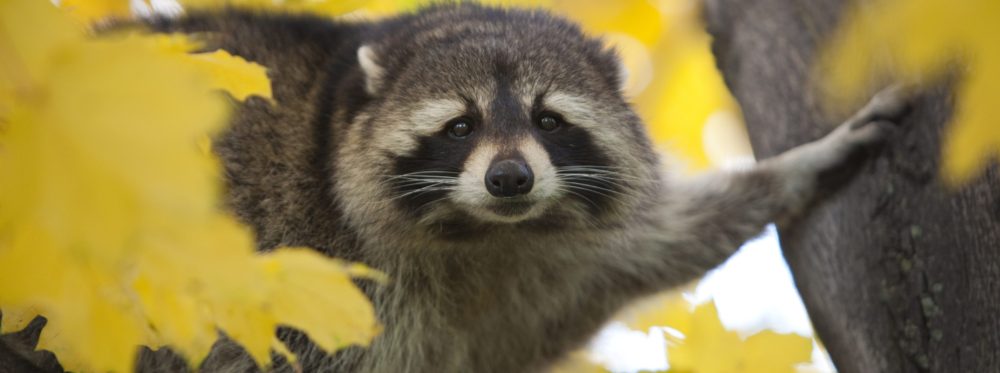
An Introduction to Raccoons Just for Kids!

Louisville Raccoon Removal 502-553-7622

Louisville Raccoon Removal 502-553-7622

As your kids grow, they are like a sponge absorbing knowledge. At a young age, it is fun to teach your children about all the wonderful wild animals they might spot in their backyard or in nature. One great place to start is raccoons. Not only are raccoons popular and lovable cartoon characters that kids enjoy, they are fascinating creatures to learn about! Continue reading along with your family for a brief introduction to raccoons made just for kids!

FUN Raccoon Facts

The scientific name for raccoons is Procyon Lotor. Can you say Procyon Lotor?

Raccoons are the size of a small or medium dog. They can weigh between 15 and 40 pounds! That’s almost as much as you!

Raccoons have a mixture of black, gray, brown, and white fur. They have black stripes across their eyes and black rings on their long fluffy tails.

Raccoons are nocturnal. Nocturnal animals sleep during the day, and stay awake at night.

Raccoons are omnivores. Can you say the word, omnivore? It means they eat almost everything, including clams, frogs, mice, insects, fruit, veggies, plants, nuts, and even human food. In fact, humans are omnivores too!

Raccoons are not dangerous unless they are sick or protecting their baby raccoons. But remember, never try to touch or catch a wild raccoon! Watch them from far away for your protection and their own.

Raccoons like to live in forested areas near water, or any place that is near food and water. They build dens or find hollow trees to live in, and mommy raccoons raise their pups there in the summer and fall.

Baby raccoons do not get their black eye mask and tail rings until they are bigger. Baby raccoons are called pups.

Mother raccoons have 3 to 5 pups, and takes care of them until the next spring when they are old enough to be on their own.

Sometimes raccoons visit our very own neighborhoods in search of food! But don’t worry, you are fast asleep and safe in bed when they are eating their dinner. Remember, raccoons are nocturnal!

Great Job!

You have learned quite a bit for your first time getting know Raccoons! Keep up the good work, and keep your eyes out for other fun animals in nature to learn about!

Raccoon Removal Louisville

If you are experiencing raccoon problems on your property, call Raccoon Removal Louisville at 502-553-7622 for prompt and professional service you can trust. We never harm or kill raccoons, and instead, use only safe and humane methods to extract them and prevent their return. We offer 24 raccoon removal and control services all throughout Kentucky, for both residential and commercial properties. Call 502-553-7622 for information about raccoon removal in Louisville, KY today.

Tips for Keeping Raccoons Away From Fruit Trees

Indiana provides agreeable climate and soil conditions for a variety of fruit trees. And because of their beautiful appeal and delicious yields, many homeowners are choosing to add them to their personal landscaping. But unfortunately, fruit trees are also very attractive sources of food for many wild animals, namely raccoons. Although many other pests enjoy the sweet succulent fruits of trees, raccoons have the most impact because of their extraordinary climbing abilities, dexterous paws, and higher level of intelligence. They can quickly deplete your fruit tree in no time at all.

Aside from tree problems, raccoons are not good to have around the property in general. So it is important to strategize a way to keep raccoons out of your fruit trees if that is the focal point that’s attracting them to your home every night. Continue reading for tips to do just that!

Start With Your Trees

Raccoons can access fruit trees in a few ways. They can use their amazing climbing abilities to scale a tree and access the fruit. Or they can use structures that are near a fruit tree to access the fruit. If you have structures near your fruit trees that wild animals can access, if possible you need to consider renovating these areas to avoid the potential for animal activity.

If you do not have structures that assist animals in accessing the fruits of your fruit trees, then all you need to do is inhibit raccoons from being able to climb those tree trunks. And if raccoons cannot gain traction on tree trunks, then they cannot easily climb them. For this reason, it is recommended to install a metal collar around your fruit trees.

Making a Metal Tree Collar

You can purchase aluminum or galvanized sheet metal at any local home improvement store for a reasonable price. Buy a strip of sheet metal that is between 18 to 24 inches wide. Be sure it is long enough to wrap around the tree trunk completely, plus overlap an extra 2-inches. From underneath the sheet metal, run a wire through both sides. Then bend the wire outward to keep the guard in place. Consult your local tree service company for advice and assistance making tree collars.

If you are experiencing raccoon problems, call your local Raccoon Control Company for help getting rid of raccoons for good. They use non-lethal and humane methods to extract raccoons and relocate them to a faraway habitat. They also retain the knowledge and resources to implement strategies that will prevent raccoons from coming back.

Raccoon Removal Louisville Kentucky

Call 502-553-7622 for prompt and professional raccoon removal in Louisville, Kentucky. We are DNR license and insured wildlife control contractors that only use safe and humane methods to remove raccoons and prevent their return. We can help you with your raccoon problems at a price you can afford. Call 502-553-7622 when you need raccoon removal and control in Louisville, KY and its surrounding areas.

Can You Cook and Eat Wild Raccoons?

While catching wildlife in your backyard and eating it for dinner may seem like an extreme means of obtaining food for your family, many people across the country have been practicing this custom for as long as mankind has hunted and gathered in North America. In fact, wild raccoon is a common dish in many parts of the world too. But even though raccoon is technically edible, does this mean that you should trap a raccoon on your property and eat it for supper? The answer is no. Continue reading to learn more about raccoons as food, and the safest way to try it.

Raccoon for Dinner

Raccoons in the wild are known carriers of the Rabies virus, as well as, several other infectious diseases. They are also hosts for fleas, ticks, lice, and more. For these reasons, it is not safe to trap a wild coon in your yard, prepare it, and eat it for a meal. It is also illegal in Indiana to hunt or trap wildlife without a valid Indiana hunting license. If you are serious about eating raccoon, it is best to go about it in a safer and more legal way.

Indiana Raccoon Hunting Season

If you like the idea if hunting and catching your own raccoon, you can obtain an Indiana hunting permit and begin as soon as the season is upon us. Raccoon hunting season in Indiana starts in November and ends in January. You can explore the regulations for raccoon hunting, and make bonds with fellow experienced coon hunters that can show you the ropes and teach you about cooking raccoons.

Finding Raccoon Meat

If you are not interested in hunting raccoons, you can try a restaurant that serves wild game like raccoon, squirrel, rabbit, opossum, and more. If there are no restaurants like this around your area, you can look for a butcher shop that can order wild or specialty game for you. This way, you know the meat is FDA approved and safe to consume. You can always track down a raccoon eating festival too. Minnesota has a famous annual raccoon cook out called Delafield Coon Feed.

Raccoon Removal and Control in Louisville

If you have raccoon problems on your property, we can help! Call 502-553-7622 for safe and humane raccoon removal and control in Louisville, Kentucky and its surrounding areas. We are DNR licensed and insured wildlife contractors that provide a wide range of non-lethal raccoon control services, including raccoon removal and raccoon cleanup. We also provide effective solutions for raccoon prevention. Call 502-553-7622 when you need prompt and professional Louisville raccoon removal you can afford.

General Overview of the Common Raccoon

There are many different kinds of raccoon species in North America, and even the world! These animals are fascinating creatures to learn about because they are so clever and interesting. Raccoons are often given a bad name due to nuisance raccoons in residential and commercial areas; however, this is due to housing developments and new construction that pushes raccoons out of their natural habitats. There are certainly nuisance raccoons and other animals in our neighborhoods, but in the wild, raccoons are intriguing animals that are worth reading about!

Distinctive Features of a Raccoon

Raccoons are most noticeable by their striped bushy tails and black furry face masks that lays across their eyes. This is where they nailed the nickname, “bandits”, in regards to their mischievous ways. Raccoons also have incredibly dexterous paws that lets them grip and clasp onto things. This is an advantage over other forest animals. They are also mammals that typically weight between 8 to 20 pounds, depending on species and age. Raccoons can be brown and black, or gray and black, and any combination in between. This also depends on which species and part of the world they are from. They have dense fur that dries quickly. It keeps them cool in the hot seasons and warm in the colder ones. They have slightly pointy snouts and whiskers, giving them a cat-like look.

Raccoon Food Chain

Raccoons are omnivores. This means they eat almost anything, from small vertebrae to fruits, nuts, and fish. The diet is a beneficial one because they can live up to twenty years, so long as they steer clear from dangerous roads and predators. Raccoons can be preyed on by mountain lions, bob cats, cougars, and other large forest animals. The most vulnerable to predators are raccoon babies, called kits. Raccoons give birth to usually 1-5 kits. Their gestation period is short, lasting for only about 65 days. Raccoons are good mothers, but let their young run free once they have learned to fend for themselves.

Raccoons and Disease

They stereotype is that all raccoons have rabies, or some other disease that can be harmful to humans and domesticated animals; but the truth is, any animal can carry rabies and pass it along to another. Raccoons may very well have rabies, but it is just as likely that every other animal has it too. The crux of the matter is that not all raccoons have rabies, but should still be avoided at all times because it is difficult to tell if they are ill or not. Most likely, raccoons are more scared of us then we are of them, making raccoon attacks very unlikely.

Louisville Raccoon Removal

Call Louisville Raccoon Removal at 502-553-7622 for prompt and humane raccoon control service in Kentucky. We are DNR licensed raccoon control contractors with decades of experience working with wild raccoons. We have the safe and affordable solutions to get rid of raccoons and prevent them from retuning in the future. Our friendly wildlife removal contractors are happy to answer questions, give advice, and manage your raccoon problems, anytime. Give us a call at 502-553-7622 to learn more about raccoon control in Louisville, KY today.

Why are Raccoons Dangerous?

Although it can be easy getting caught up in the excitement when you spot a raccoon on your porch or property, it is important to remember that raccoons are extremely dangerous animals. It is a cruel joke Mother Nature has played on us for hundreds of years, creating cute and adorable animals that we can never have contact with due to the dangers they pose. And raccoons are one of those animals! They are fascinating to watch, but the truth is, having raccoons on your property is a huge hazard. Continue reading to find out why raccoons are dangerous and how to keep them away.

People and Pets are at Risk of Harm

Raccoons are known carriers of the Rabies virus. This is reason enough to not want them around your children and pets. One bite or scratch can transmit the disease, which is almost always fatal for dogs and cats. People, on the other hand, can be treated for Rabies, but the treatment is intensive and painful. The best method to avoiding being attacked or bitten by an infected raccoon is to avoid them at all costs and to keep them off your property.

Rabies is not the only health threat raccoons have to offer. Other illnesses like Leptospirosis, distemper, roundworm, mange, and more are also possible threats to us and our pets. Raccoons can also carry and pass long a variety of parasites, fleas, and ticks. These can spread into the home and cause a long-term battle to get rid of them. Keeping your pets indoors as much as possible, and supervising them while outdoors, it an effective way to keep them safe from hazards like these.

Raccoon Control

If you want to keep raccoons away from your property, you need to remove any sources of food, water, and possible shelter. This will thwart their interest since there is nothing on your property that they want. This includes removing pet food, water dishes, bird baths, squirrel feeders, and bird feeders. It also requires a home inspection to ensure there are no vulnerable areas that raccoons can access for shelter, such as soffits, roof shingles, and attic vents. When your home is properly sealed, it is important to use good judgement to prevent raccoon activity on your property, like taking the garbage out the morning of trash day instead of the night before. You may want to also consider installing motion-sensored lighting or sound machines to scare raccoons away.

Louisville Raccoon Removal

Call 502-553-7622 for prompt and professional raccoon removal in Louisville, Kentucky. We are DNR licensed and insured wildlife control specialists with more than 30 years of experience in the industry. We provide a wide range of non-lethal, humane raccoon removal and control for residential and commercial properties all throughout Kentucky. Ask us for free estimates and advice anytime! Call 502-553-7622 for Louisville raccoon removal you can trust.

Famous Raccoons Throughout Time

Raccoons are smart, inquisitive, and adorable mammals with a ton of personality. Perhaps this is why they are commonly used as characters in television and movie plots. Famous celebrities have come and gone over the years within the industry, but only a few raccoons have made their mark in film. Continue reading to catch up on some fun movie and television raccoon characters that have made an impression on viewers young and old!

Raccoons in Film

Can you think of any famous raccoons on the T.V. or in the movies? It can be quite a mind stretch trying to remember all the funny raccoons we’ve watched over the years, but so much fun when you remember them! Let’s take a look at some famous raccoons over time:

Raccoon: Rocket
Movie: Guardians of the Galaxy

Perhaps the most recent and famous raccoon that has made their celebrity debut on the big screen is Rocket. Rocket is the delightful, sharp-tongued, and resourceful raccoon on the hit movie, Guardians of the Galaxy. Rocket was the character famous for getting the team out of a jam, fast. One of the most celebrated scenes of the movie is when Rocket plans a flawless and entertaining escape from a space jail. This is a MUST-SEE movie for anyone who loves a thrilling, sci-fi plot!

Raccoon: RJ
Movie: Over the Hedge

RJ, voiced by Bruce Willis, is the self-serving and clever raccoon in the 2006 movie, Over the Hedge. Just like real raccoons, RJ is a highly intelligent mammal simply looking for food in a nearby suburban area. He steals, and then quickly loses, a large stash of junk food from a local bear in town, forcing him to jump through hoops the entire movie in an attempt to replace the food and save his own life. Of course on the way he meets an enjoyable and stimulating cast too. This movie is family friendly and fun to watch!

Raccoon: Meeko
Movie: Pocahontas

Meeko is the adorable and friendly pet raccoon voiced by John Kassir in the 1995 movie, Pocahontas. In fact, he was such an amusing character that the writers brought him back for the enticing 1998 sequel, Pocahontas II: Journey to a New World. He is the food loving pet raccoon of Pocahontas, that also take a friendly liking to her love interest, John Smith. This movie is an oldie but goodie, as they say!

Raccoon: “Raccoon”
Movie: The Nut Job

In the highly entertaining, family friendly 2014 movie, The Nut Job, actor Liam Neeson provides the voice of the movie villain, simply referred to as, “Raccoon.” Raccoon the villain wanted to take control of the local animal community food supply, rationing food unfairly. The local neighborhood animals search throughout the entire movie for a solution to Raccoon’s villainous plan. This movie is definitely worthy of Friday family movie night!

Raccoon: Joey
Movie: Dr. Dolittle 2

This outrageously funny 2001 movie, starring the one and only Eddie Murphy, was a huge success for movie-goers of all ages. One of the more memorable characters in this second edition movie is Joey, the neighborhood raccoon. Although enacted by a real-life stage raccoons, the voice was cleverly provided by Michael Rapaport. With an all-star cast and thrilling plot, this movie is a must-see no matter how old you are!

Raccoons certainly make fun movie characters, but they do not make good house guests. If you have a raccoon problem in or around your property, be sure to contact a licensed raccoon removal company for safe and humane raccoon extraction and exclusion services.

Louisville Raccoon Control

Call 502-553-7622 for prompt and professional raccoon removal and control in Louisville, Kentucky. We are DNR licensed and experienced wildlife contractors that provide residential and commercial raccoon removal services. We only use safe, non-lethal methods for raccoon removal and control, and offer additional services for cleanup and restorations. Call 502-553-7622 for Louisville raccoon control you can trust.

Funny Facts About Raccoons

There are so many interesting and even silly facts about the common mammal we know as the raccoon. Raccoons are very intelligent and come in various different shapes, sizes, colors, and species. There is lots to learn about raccoons, and the learning process is so much fun! Continue reading to learn more about wild raccoons, and the funny facts that make them so interesting to learn about.

Raccoon “Bandits” Mask

All raccoons have a black, or dark colored, mask that surrounds their eyes and temporal areas. This mask is so close in appearance to a robber or bandit’s mask, it has been referred to as this many times over. Although this is common knowledge to most, not many people know why raccoons are born with this “mask-like” strip of fur around their eyes. The reason is better night vision! The black mask enhances a raccoon’s vision at night.

Tree Climbing Ability

Raccoons climb trees very well, but for an animal of their size, this is quite unusual. The reason this is all possible is because raccoons retain the mind-boggling ability to rotate their hind legs! This amazing ability allows them to find protection from larger animals and prey on food easier.

An Incredible Sense of Touch

Raccoons retain explosive dexterity in their paws and claws. It can almost be compared to that of a human hand! Not only does this also aid in their impressive climbing ability, it also allows them to maneuver food, build dens, carry items, pry things open, and much more. These paws also have an incredible sense of touch. With a simple touch, raccoons can sense their surroundings.

Auditory Range and Hunting

Their dexterous paws allow raccoons to capture and handle their prey better than other mammals, but their auditory range plays a huge role in their hunting abilities. Because raccoons can hear sounds as low as 50 KHZ, they can easily hunt insects and small prey in the dead of night and darkness.

Raccoon for Dinner

Keep in mind that it requires a licensed and permit to kill, trap, or hunt wild raccoons; and raccoons should never be harmed, hurt, or tortured. In American, raccoons are not considered a tasty treat, but are often hunted or bred for their fantastic fur. But in some cultures, like that of some North American Indian tribes, barbequed raccoon is considered an elegant and exotic delicacy. What an interesting piece of knowledge!

Raccoon Removal Louisville Kentucky

Call our raccoon removal and control contractors at 502-553-7622 for more information about wild raccoons and raccoon prevention in Louisville, Kentucky. Our DNR licensed and insured wildlife control specialists provide prompt and professional raccoon removal, clean up, inspections, prevention, and more, all at the most competitive prices in town! When you need fast, reliable, and affordable raccoon removal in Louisville, KY, trust our DNR licensed contractors for safe, non-lethal service you can count on day or night.

What is Raccoon Distemper?

One of the leading causes of death among raccoon populations is a virus called Distemper. Although raccoons can become infected with the disease, there is no such thing as “raccoon distemper.” Instead, two kinds of distemper exist: feline distemper and canine distemper. Each one is caused by a different virus, but both can cause acute illness and death in animals. Continue reading to learn more about distemper, how it affects raccoons, and how to prevent your beloved pets from accidentally becoming infected.

Canine Distemper

Canine distemper is more common in raccoons than the feline version. Once infected, it progresses slowly, appearing initially as an upper respiratory infection. During this stage, raccoons will experience minor symptoms like runny noses and watery eyes. But soon after, the illness takes a harsh turn into conjunctivitis, which produces gastrointestinal complications, pneumonia, and extreme weight loss. Once this begins, raccoons will enter the final stages of the virus, which causes confusion, disorientation, and brain damage. Raccoons will evince strange behaviors during this stage, such as wobbling around, wandering aimlessly in a circle, and paralysis. This can happen sometimes during the day even though they are primarily nocturnal animals. Many people may confuse all of these signs with the Rabies virus, and understandably so, but to the trained eye, it is clearly distemper.

Feline Distemper

Feline distemper starts out differently than its canine version. Raccoons will experience high fevers and gastrointestinal complications (i.e. vomiting, diarrhea, loss of appetite, etc.), followed by depression and a reduction in white blood cells (leukopenia). It takes less than a week’s time for Feline distemper to become fatal in animals.

Treating Distemper

Distemper in raccoons is primarily spread through bodily fluids and excretions, including blood, saliva, urine, and feces. This means it can travel and spread via airborne droplets or bodily contact. Unfortunately, there is no cure for distemper once an animal is infected with the virus. This is why it is so vital for pet owners to have their dogs and cats vaccinated on a yearly basis. Curious pets may come across an infected raccoon, skunk, or opossum at any time. Having the proper vaccinations protects their immune system from contracting the illness.

Raccoon Removal in Louisville

Call 502-553-7622 for raccoon removal services in Louisville, Kentucky. We are DNR licensed and insured wildlife control contractors that provide safe and humane raccoon removal at an affordable price. We provide commercial and residential raccoon control in all surrounding counties. Call 502-553-7622 for prompt and professional raccoon removal and control in Louisville, KY today.

Interesting Raccoon Facts and Fun Trivia!

There are so many interesting and fun facts about wild raccoons and their young. As a nature lover, it is only expected to be an admirer of such evolved, intelligent, and thrifty critters. Their capabilities truly set them apart from the other species of animal that share their natural habitats. To learn more interesting and exciting information about the common raccoon, continue reading and indulge yourself in useful raccoon trivia, truths, and facts!

Let’s Get Started!

What is the Scientific Name for a Wild Raccoon?

Raccoons are scientifically referred to as Procyon Lotor. This is a Latin term that loosely translates into “washer dog”. This could be because raccoons use their hands to “wash or rinse” their food in water before consuming it. Although it is not proven that this is the reason why raccoons douse their food before eating it, it has been a source for naming the species over the ages. It dates back to old Native American slang that describes raccoons as “ones who rubs and scratches with its hands”.

What Do Raccoons Eat?

The diets for wild raccoons in nature differ from the diets of raccoons living in urban and metropolitan areas. Raccoons in nature tend to feed mostly on fish, amphibians, insects, worms, invertebrates, bird eggs, and plant material. They are excellent at fishing but will eat anything that is easily attainable and tasty. In comparison, wild raccoons in suburban territories have become accustomed to a different palette of food. Raccoons have become experts at surviving in residential and urban areas following commercial development and construction. They like to rummage through trash cans and dumpsters for scraps of food; as well as, steal outdoor pet food, garage inventories, and more. They have become very good at these tasks that have proven well for survival.

How Long to Raccoons Live?

Raccoons are meant to live full lives up to twenty or more years; however, this mostly depends on their environment, territory, and plain luck. Because raccoons are known as pests in residential and commercial neighborhoods, they can be the target of inhumane animal trapping and hunting. This can certainly take off a few years of their life. Also, environmental conditions can influence the life expectancy of a wild raccoon. Available food sources, weather, and more can all determine how long a raccoon can survive in the wild.

Some people are raccoon pet owners who have successfully domesticated raccoons. These “pet” raccoons can live up to 20 or 30 years in captivity. When considering all the environmental and influential elements that raccoons can face, on average they live to be about two or three years old; however, in the wild, this number can more than double depending on nearby predators and other threats.

Raccoon Removal Louisville

Call 502-553-7622 for prompt and professional raccoon removal in Louisville, Kentucky. With more than 20 years of experience, our technicians can provide a wide range of raccoon control services for all situations and properties. We are DNR licensed and insured, and committed to safe and humane raccoon removal and control. If you need Louisville raccoon control services for your residential or commercial property, call our office today at 502-553-7622 and get a free estimate in a matter of minutes!

A Raccoon on the Roof is Not a Good Sign

Raccoons are excellent climbers with nimble, dexterous paws, and they use these qualities to access rooftops in residential and urban areas. It is very common to spot raccoons on the roof at night, or just after sunset when it isn’t quite dark yet. This is the time of day when raccoons are either returning or leaving from wherever it is they are nesting. So this means if you see a raccoon on the roof, they are up to no good. Continue reading to learn why you might have raccoons on the roof, and how to safely and humanely get rid of them.

Raccoons and Roofs

If a raccoon is on a roof, it is most likely looking for a vulnerable area in the eaves or soffit to rip out and use as an access point to your attic. And if they are not looking for this, it is because they have already found it! Raccoons like to use these areas to create dens in order to breed and raise their young. Once their young is old enough to fend for themselves, they leave the nest to go look for one of their own. A raccoon on a roof is a blatant indication that you have raccoons in the attic or other area of your home that is accessible through the roof. And if you have raccoons on the roof and they haven’t access your home yet, they are looking to do so very soon. Raccoons don’t just climb for fun; they are either hunting, gathering, escaping danger, or looking for shelter. Don’t make the mistake of ignoring a raccoon on the roof!

In a little amount of time, raccoons can make a disastrous mess in your home. They tear down attic insulation to make nests and soil just about every surface area with droppings, birthing debris, and rotting food scraps. They also chew through electrical wiring, rip out floorboards and saturate ceilings with urine which causes stains and odors Needless to say, raccoons are capable of causing an extreme amount of structural damage and destruction if left alone.

Wildlife Rescue Services

Call a local wildlife rescue contractor for safe and humane raccoon removal services if you spot any on your roof or around your property. It is better to take precautionary measures rather than waiting for a disaster to fall into your lap. Never leave pet food outside, as raccoons love this and will return night after night for it; and always take your trash out the morning of garbage pickup day. These are just a few methods to keep raccoons off your property. Also consider having your siding, roof, windows, and doors inspected and properly sealed, as well as, installing motion sensor lighting outside to thwart raccoon activity.

Louisville Raccoon Removal

Call 502-553-7622 for professional raccoon removal and control in Louisville, Kentucky. We are highly trained and experienced, DNR licensed wildlife rescue and control contractors that can remove raccoons safely and humanely at a low cost to you. We also provide minor attic restorations and repairs for raccoon damages, as well as, raccoon prevention, and much more. Call 502-553-7622 if you see raccoons on the roof in Louisville, KY right away.